
Finding influencers effectively determines the brand’s reach, credibility, and engagement with the target audience in 2026. Creator partnerships have become essential to marketing strategies across social commerce and traditional channels. Identify influencers who align with the brand’s niche, values, and commerce goals to promote products, increase brand awareness, and drive measurable sales. A 5-step discovery flow produces 8-12 viable candidates per brief: define category and tier band, search the discovery layer, audit audience authenticity, score sponsorship history, and rank by audience-region overlap. These methods help brands find qualified influencers regardless of marketing experience or familiarity with influencer programs.
The primary discovery methods include real-time analytics tracking, audience authenticity verification, and platform-native discovery tools.
- Analyze Your Website’s Analytics: Website analytics reveal which influencers drive qualified traffic to your site. Tools like Google Analytics track referral sources, conversion paths, and audience demographics, identifying creators whose audiences overlap with your target market.
- Audit Audience Authenticity: Verify influencer credibility by examining audience composition, engagement rates, and sponsorship history. Authentic audiences show consistent comment quality, regional alignment with your target geography, and genuine interaction patterns rather than purchased followers.
- Search Platform Discovery Layers: Use native platform tools including TikTok’s Discover page, Instagram’s Explore signals, YouTube Shorts trending audio, and niche hashtag searches to identify emerging creators before oversaturation occurs.
1. Analyze Your Website’s Analytics
Website analytics identify influencers who have already driven qualified traffic to your site and establish baseline audience overlap. Using tools such as Google Analytics, you track referral sources, conversion paths, and visitor behavior to pinpoint creators whose followers match your target customer profile. This data-driven approach reveals which creators attract audiences most likely to purchase or engage with your brand.
Analytics-based discovery offers direct performance visibility and reduces outreach to misaligned influencers, though it works best for established websites with significant traffic. For example, a fitness e-commerce site reviewing referral data might identify a fitness creator who drives 12 percent of organic traffic with 40 percent conversion rate, indicating strong audience alignment worth prioritizing in your influencer shortlist.
2. Audit Audience Authenticity and Sponsorship History
Audience authenticity verification is the critical vetting step that filters out influencers with purchased followers or fake engagement. Examine comment quality, engagement consistency, audience demographics, and regional concentration to confirm that followers represent genuine interest rather than inflated metrics. Review sponsorship history to understand which brands the creator has worked with, whether partnerships align with your industry, and if their audience responded positively to previous collaborations.
Authenticity auditing reduces brand safety risk and ensures budget allocation toward creators with measurable influence over real audiences. Tools and platforms that surface fake follower detection, engagement quality scores, and prior campaign data accelerate this vetting process. A beauty brand, for example, might audit a creator’s audience to confirm 67 percent female, ages 18-34, concentrated in target markets such as United States and Canada, with consistent 8-12 percent engagement rates across recent posts rather than sporadic spikes indicating bot activity.
Sponsorship history reveals whether a creator has promoted competing products, frequency of brand partnerships, and audience sentiment toward their endorsements. Creators with authentic audiences and strategic partnership selectivity deliver stronger campaign ROI than those pursuing every brand opportunity. This vetting step directly impacts conversion rates and brand fit.
3. Search Niche Keywords and Platform Discovery Features
Platform-native discovery tools identify creators who produce content relevant to your industry before they become oversaturated with brand partnerships. TikTok’s Discover page surfaces trending sounds and effects within specific niches. Instagram’s Explore feed reveals creators gaining traction through Stories engagement, Reels, and niche hashtags. YouTube Shorts and trending sound search expose video creators early in their growth. Search industry-specific hashtags, sounds, and effects on each platform to identify emerging creators with engaged audiences and authentic following patterns.
This method provides access to creators before major influencer platforms index them, offering negotiating advantage and lower partnership costs at earlier stages of creator growth. A sustainable fashion brand searching TikTok for sounds related to eco-friendly products, circular fashion, and secondhand shopping identifies emerging creators discussing these topics with authentic engagement rates of 9-15 percent, indicating strong niche alignment without the premium pricing of established creators in the sustainability space.
4. Utilize Influencer Marketing Platforms with Commerce Attribution
Influencer marketing platforms streamline discovery, vetting, and campaign management by consolidating creator databases, audience authenticity scoring, and commerce performance tracking. Spliced provides searchable influencer profiles with audience composition breakdowns, engagement benchmarks, sponsorship history, and direct attribution to Amazon and TikTok Shop sales. Advanced filters enable you to search by niche, tier (nano, micro, mid-tier, macro), engagement rate, audience geography, and estimated reach. Platforms like this reduce research time by 60 percent compared to manual discovery methods and provide comparative pricing data to guide budget allocation.
The primary advantage is commerce-connected measurement: you see not just campaign metrics but actual sales lift attributed to creator content across your marketplace channels. A beauty brand seeking TikTok creators for a product launch uses the platform to identify 12 mid-tier creators with 150,000 to 500,000 followers, audience authenticity scores above 85 percent, prior successful e-commerce partnerships, and estimated $8,000 to $15,000 partnership costs. Platform tools track resulting TikTok Shop conversions and Amazon search lift separately from noise such as seasonal demand or PPC activity, enabling data-driven decisions on creator tier, content format, and budget allocation for future campaigns.
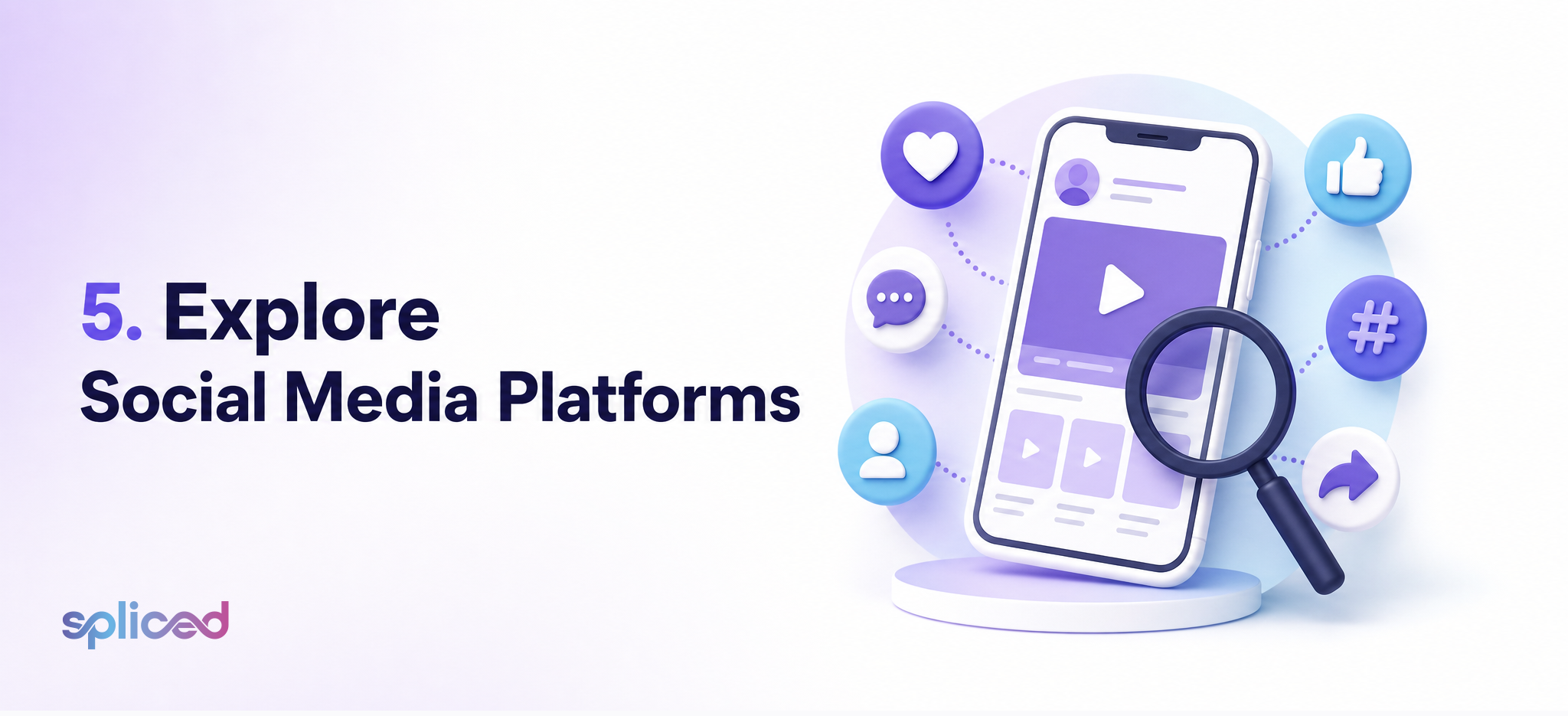
5. Explore Social Media Platforms
Social media platform exploration identifies active creators within your niche by using native search, Stories engagement signals, and regional audience concentration tools. On Instagram, analyze Explore page recommendations for your product category, examine Stories engagement (typically 3-5 percent higher than feed posts), and search niche hashtags to find creators with consistent posting and community interaction. TikTok’s Discover page surfacing trending creators in specific sounds and effects provides real-time visibility into emerging talent. YouTube’s Shorts and trending audio analytics reveal video creators producing relevant content with accelerating subscriber growth.
This approach combines accessibility with authenticity assessment: you evaluate creator content directly, verify audience composition through visible follower comments and profile data, and confirm niche relevance through posting patterns. A fitness apparel brand searching fitness-related hashtags and Stories engagement signals on Instagram identifies micro-influencers with 45,000 to 150,000 followers, 7-9 percent engagement rates, and strong audience concentration in target geographies. Direct platform exploration requires more time than paid databases but offers cost-free access to emerging creators and strengthens your ability to assess brand fit before outreach.
6. Discover Video Content Creators on YouTube
YouTube Shorts and trending sound searches identify emerging video creators across niches. YouTube hosts millions of content creators spanning product reviews, tutorials, lifestyle, technology, and education. Search YouTube by category, trending videos, or sound effects to discover creators relevant to your industry or product category.
The advantages include access to long-form and short-form video creators, demonstrated production quality, and audiences that consume video content regularly. Audit creator engagement metrics and sponsorship history to confirm brand fit. For instance, a consumer electronics brand discovers tech reviewers on YouTube who produce unboxing and comparison videos, reaching audiences actively researching purchase decisions in the technology category.
7. Identify Influencers Using Hashtags and Trending Sounds
Platform-specific sound and effect searches on TikTok and Instagram reveal creators producing relevant content in real time. Searching hashtags on Instagram, TikTok, and Twitter surfaces content creators active within specific categories or trends. Sound-based discovery on TikTok identifies creators early before they accumulate excessive brand partnerships or engagement saturation.
Hashtag discovery requires evaluation of engagement quality and audience authenticity, but offers rapid access to niche-relevant creators. For example, searching trending skincare or fitness sounds on TikTok identifies emerging creators producing category-relevant content before they reach mainstream saturation; Instagram hashtag searches across #sustainablefashion or #zerowaste connect with creators aligned to specific brand values in the fashion and lifestyle categories.
8. Audit Audience Authenticity and Sponsorship History
Analyzing competitor followers and audience authenticity reveals potential influencers with genuine engagement in your category. The approach involves auditing social media profiles to identify engaged followers, examining fake follower prevalence, and reviewing sponsorship history for category relevance and frequency. Audience authenticity scoring across geography, demographic alignment, and engagement quality determines whether follower growth appears organic or artificial. Sponsorship history shows whether creators have partnered with direct competitors, complementary brands, or oversaturated brand categories. For instance, a fitness apparel brand identifies micro-influencers among competitor followers by checking audience authenticity metrics, confirming that 70 percent or more followers align with target geography and fitness interest categories, and verifying sponsorship history shows no conflicting exclusive partnerships or category saturation.

What is an Influencer?
An influencer is an individual who possesses measurable ability to impact the purchasing decisions, opinions, or behaviors of a specific audience through demonstrated authority, expertise, or authenticity within a particular niche or category. Influencers build credibility through subject matter knowledge, transparent content creation, and consistent engagement with followers over time. Trust develops when followers perceive recommendations as genuine rather than purely commercial.
Influencers maintain engaged followings where audience members actively participate through comments, shares, and discussions. They establish category expertise, allowing brands to reach audiences with demonstrated interest in specific product categories or industries. Influencers excel at content creation, producing materials that generate engagement and resonate with followers. Their actions drive measurable outcomes including product discovery, consideration, and conversion. Brands partner with influencers to access targeted audiences and leverage authenticity that traditional advertising cannot replicate.
What does an Influencer do?
Influencers create content across formats including video, images, written posts, and Stories designed for their audience’s preferred platform. Content production focuses on the influencer’s primary niche or expertise. Authentic storytelling through personal experiences and transparent perspectives builds follower trust and differentiates influencer content from traditional advertising.
Brand partnerships form a primary function of influencer work. Influencers create sponsored content that demonstrates product utility through natural integration rather than overt selling. Many influencers identify emerging trends, sounds, or formats early and adapt them to their content strategy. Educational content including tutorials, guides, or expert commentary serves audiences seeking category knowledge. Advocacy for causes aligns influencer platforms with social or environmental initiatives, strengthening audience connection and brand partnership opportunities.
Influencers generate revenue through multiple streams including brand sponsorships, affiliate marketing commissions, product collaborations, and advertising revenue from platform monetization. Community management through comment responses, direct messages, and live interaction maintains audience relationships and loyalty. Event participation including product launches, speaking engagements, or brand collaborations extends influence beyond digital channels. Influencers provide brands with audience feedback, purchasing behavior insights, and category trend data based on direct audience interaction and analytics review.
What is the role of Influencers in Marketing?
Influencers in marketing bridge the gap between brands and target audiences by creating authentic endorsements that drive awareness, engagement, and sales. An influencer’s primary role is to promote goods or services to their loyal followers with credibility built through trust and personal connection over time. Influencers reach customers that traditional advertising cannot access by leveraging their established audience relationships.
Influencers excel at content creation tailored to their niche. When an influencer integrates a brand’s message into their existing content style, the promotion feels natural to their followers. This authenticity makes influencer recommendations significantly more persuasive than standard marketing. Influencers provide targeted reach because their audiences are concentrated in specific demographics and interest groups, making campaigns more efficient and measurable.
Influencer marketing strategy uses an influencer’s authority and reach to position a message, product, or service in front of a defined audience. Brands collaborate with influencers to create sponsored content, reviews, or partnerships that align with the influencer’s typical output. The goal is to generate awareness, engagement, and measurable conversions. Influencers drive results because their audience actively seeks their recommendations and acts on them.
In 2026, influencers function as credibility multipliers. Their suggestions carry more weight than paid ads because followers perceive them as expert sources. Influencers attract niche, highly engaged audiences, enabling brands to reach ideal customer segments with precision. Their content creation skills ensure messages integrate seamlessly into platforms like TikTok, Instagram, and YouTube, where audience expectations favor creator-style content over corporate messaging.
Influencers expand brand reach into new demographics and geographies through their followers. They add authenticity to campaigns by endorsing products they genuinely use or believe in, which increases perceived value. Influencer marketing produces measurable outcomes: brands track campaign performance through engagement metrics, click-through rates, and sales attribution to quantify ROI and refine strategy.
What is the importance of choosing the correct Influencer for your brand?
Selecting the right influencer ensures alignment between the influencer’s audience, content style, and brand values. When an influencer’s personal brand mirrors your brand identity, marketing efforts feel authentic and consistent. An influencer whose followers match your target demographic delivers messages to people most likely to engage and convert. Misalignment wastes budget and dilutes brand identity.
Influencers serve as credibility sources for their followers. Partnering with a trustworthy influencer transfers trust to your brand, increasing customer confidence in your products or services. When evaluating influencers, assess content quality and tone, engagement metrics (comments, likes, shares), audience composition, and whether their sponsorship history demonstrates authentic partnerships versus purely transactional relationships.
The right influencer amplifies marketing impact through authentic endorsement. An influencer whose genuine enthusiasm aligns with your brand resonates with their audience, building trust in your offering. Influencers with niche, engaged audiences deliver more targeted reach and higher conversion rates than broad-reach channels. Their content creation expertise ensures your message fits naturally into their platform’s format and audience expectations.
Brand-influencer fit determines campaign success. Correct selection gives you access to audiences you cannot reach through paid ads alone. Influencers provide consumer insights based on their direct interaction with followers, offering feedback that informs product development and refines marketing strategy. Audience authenticity verification in 2026 requires auditing follower composition for fake accounts and evaluating engagement quality beyond vanity metrics.
Define clear marketing goals before selecting influencers. Determine your target audience and identify influencers whose followers overlap with your ideal customer profile. Research using social media platforms, influencer databases, and industry-specific publications. Prioritize influencers with proven track records of driving conversions, especially those using affiliate links or discount codes that show measurable sales impact.
Evaluate authenticity by reviewing sponsorship history and engagement patterns. Verify audience composition through tools that detect fake followers. Examine content quality, style consistency, and alignment with brand positioning. Confirm transparency in sponsored disclosures. Successful influencer selection requires research rigor, audience overlap analysis, and vetting of authenticity markers before negotiating terms such as deliverables, compensation, and campaign timeline.
What will happen if the brand chooses the wrong Influencer?
Selecting a misaligned influencer damages brand reputation and wastes marketing budget. If an influencer lacks genuine enthusiasm for your brand, their endorsement appears inauthentic, eroding audience trust. Wrong influencers deliver audiences that do not match your target demographic, resulting in low engagement, minimal conversions, and poor ROI. Follower composition mismatches waste resources on uninterested viewers who do not convert.
Brand identity suffers when an influencer’s content style, values, or audience expectations conflict with your positioning. This misalignment confuses customers and weakens brand recognition. Partnering with an influencer facing audience authenticity issues, such as fake followers or low genuine engagement, exposes your brand to credibility damage. Negative brand associations occur when an influencer becomes involved in scandals or controversial behavior, requiring costly reputation management and potential campaign suspension.
Campaign failure from wrong selection results in wasted time, resources, and capital without measurable return on investment. Mitigation requires thorough vetting. Define your target audience and marketing objectives upfront. Research influencers using authentic audience metrics and sponsorship history. Audit follower composition for fake accounts and engagement quality. Verify brand value alignment before outreach. Conduct due diligence on past partnerships to confirm influencers deliver measurable results in your industry. Proper vetting reduces these risks and establishes successful, mutually beneficial partnerships with creators whose audiences align with your business goals.
How can Spliced help businesses find the correct Influencer?
Spliced streamlines influencer discovery by combining searchable creator databases with audience authenticity scoring and sponsorship history review. Brands filter creators by niche, region, follower tier, and engagement quality to identify 8-12 qualified candidates per brief. Spliced’s database spans Instagram, TikTok, YouTube, and emerging platforms, enabling comparison of influencer costs against historical campaign performance.
Spliced evaluates audience composition and regional overlap to ensure follower demographics match the brand’s target geography. The platform surfaces engagement metrics beyond follower counts, including Stories interaction rates, Shorts performance, and conversion signals. Brands audit sponsorship history to avoid influencers oversaturated with competing partnerships in 2026.
Spliced connects creator selection to commerce outcomes by tracking which influencers drive measurable sales lift on Amazon and TikTok Shop. The platform integrates audience authenticity checks, flagging accounts with elevated bot engagement or fake follower patterns. Negotiation templates and budget calculators help brands align influencer fees with expected ROI before outreach begins.
Spliced’s effectiveness depends on database breadth, audience authenticity accuracy, and alignment with the brand’s sales channels and target demographics. Success requires clear campaign goals, authentic creator partnerships, and performance tracking post-launch. Brands that combine Spliced’s discovery tools with strategic vetting and measurable attribution frameworks achieve stronger influencer program outcomes than manual outreach alone.
Where to find the correct Influencers?
Discover influencers through native platform search combined with specialized discovery tools. TikTok’s Discover page, Instagram’s Explore section, and YouTube’s trending sounds reveal emerging creators before saturation. Use platform-specific filters: Instagram hashtag searches, TikTok effect and sound searches by niche, YouTube Shorts trending audio. Reddit and Facebook Groups surface industry experts and engaged communities. Google searches with keywords like “fitness influencer” or “skincare creator” identify blog authors and niche authorities; combine with site-specific searches (site:instagram.com, site:tiktok.com) for precision.
Spliced provides searchable databases with audience authenticity scoring and commerce attribution data, making it the primary tool for data-driven discovery in 2026. Social listening platforms like Brandwatch monitor brand mentions and competitor follower activity. Industry referrals and agency networks connect brands with pre-vetted creators. Content platforms including YouTube, Medium, LinkedIn, and Substack surface thought leaders. Evaluate all candidates through audience overlap analysis, sponsorship history review, and engagement quality verification before outreach to ensure alignment with brand values and campaign goals.
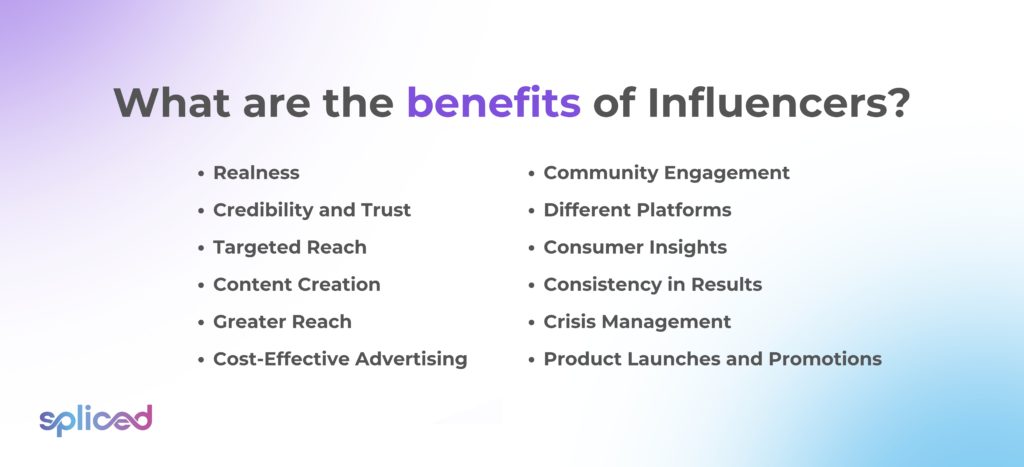
What are the benefits of Influencers?
The benefits of Influencers are listed below.
- Audience Authenticity: Influencers with verified, engaged followings deliver measurable reach. 2026 audience authenticity checks reveal genuine followers, reducing risk of wasted spend on influencers with inflated metrics.
- Credibility and Trust: Influencers earn audience trust through consistent content and transparent sponsorships. Their endorsements carry weight because followers actively seek their recommendations for product and content guidance.
- Targeted Reach: Influencers command niche audiences aligned with specific demographics, interests, and geographies. Targeted placement ensures marketing effort reaches receptive prospects rather than broadcast audiences.
- Content Creation: Influencers produce platform-native content, including Stories, Shorts, Reels, and product reviews. Their creative execution resonates with followers and performs better than branded static content.
- Expanded Reach: Influencers with substantial followings expose brands to new audiences. Creator partnerships extend brand visibility beyond existing customer bases and reach underserved demographics.
- Cost Efficiency vs. Traditional Media: Nano and micro influencers deliver lower cost per engagement than paid advertising or celebrity endorsements. Tiered partnership models allow brands to scale budgets from $500 to $50,000 per campaign.
- Community Engagement: Influencers foster active conversation through comments, Stories responses, and audience participation. Direct engagement builds community loyalty and strengthens brand connection beyond one-way messaging.
- Multi-Platform Presence: Influencers operate across TikTok, Instagram, YouTube, LinkedIn, and emerging platforms. Multi-channel strategies allow brands to meet audiences on their preferred platforms.
- Measurable Attribution: Influencer campaigns deliver trackable metrics including click-through rates, conversion rates, and sales lift on Amazon and TikTok Shop. Performance data informs future partnership decisions and budget allocation.
- Real-Time Performance Tracking: Brands monitor campaign results daily, including engagement, impressions, and ROI. Real-time insights enable rapid optimization and reallocation of spend to top-performing creators.
- Reputation Management: Aligned influencers amplify positive brand narratives and address audience concerns authentically. Their credibility helps neutralize misinformation and rebuild brand trust during challenges.
- Product Launch Momentum: Influencers drive early adoption and social proof for new products. Coordinated creator launches generate buzz, user-generated content, and sustained sales velocity across marketplace channels.

What are the downsides of Influencers?
The downsides of influencers in 2026 include audience authenticity risks, market saturation, and attribution challenges. Brands face measurable obstacles when selecting and managing influencer partnerships.
- Fake Follower Detection Challenges: Purchased followers and engagement inflation remain widespread in 2026. Approximately 15 percent of influencer accounts show signs of artificial engagement, requiring brands to audit audience authenticity before outreach.
- Creator Oversaturation: The creator economy expanded to over 200 million content creators globally by 2026. Finding influencers aligned with specific niches has become more difficult as saturation increases in popular categories like beauty, fitness, and lifestyle.
- Audience Misalignment: Influencers may attract followers from different regions or demographics than a brand’s target market. Geographic and demographic overlap verification is critical to campaign success and requires additional vetting steps.
- Sponsorship History Concerns: Influencers promoting competing or conflicting brands diminish exclusivity and trust. Reviewing sponsorship history helps identify influencers who balance partnerships appropriately and maintain audience credibility.
- Content Control and Brand Safety: Brands relinquish creative control when working with influencers. Unexpected messaging, tone shifts, or off-brand content can damage brand perception if not monitored throughout campaign execution.
- Rising Creator Fees: Influencer pricing increased 18 to 25 percent between 2024 and 2026, particularly for creators with proven commerce attribution. Micro influencers charge $500 to $5,000 per post; macro influencers command $10,000 to $100,000 or higher depending on platform and niche.
- Attribution Complexity: Determining which influencer activities drove actual sales or conversions remains difficult without proper tracking infrastructure. Multi-touch attribution and cross-platform measurement require investment in tools like Spliced to connect creator activity with measurable outcomes.
- Reputational Risk: Influencer scandals, controversies, or brand misalignment can generate negative publicity that damages associated brands. Vetting brand values and monitoring social sentiment throughout campaigns mitigates this risk.
- Disclosure and Compliance Issues: FTC regulations in the United States and equivalent standards globally require clear disclosure of sponsored content. Non-compliance results in legal penalties and erodes audience trust in both influencer and brand.
- Short-Term Performance Windows: Influencer trends shift rapidly, and creator relevance can decline within months. Trends on TikTok and Instagram change faster than traditional brand-building timelines, requiring continuous audience monitoring and creator rotation.
Is it expensive to pay Influencers in 2026?
Influencer pricing varies significantly by tier, platform, and niche in 2026. Nano influencers with 1,000 to 10,000 followers charge $100 to $1,000 per post. Micro influencers with 10,000 to 100,000 followers command $500 to $5,000 per deliverable. Mid-tier influencers with 100,000 to 1 million followers charge $5,000 to $25,000 per post, while macro influencers and celebrities with over 1 million followers often exceed $25,000 per engagement. Campaign scope, exclusivity agreements, usage rights, and geographic targeting affect final costs. Brands working with smaller creators on affiliate or performance-based models often achieve better ROI than flat-fee arrangements with larger creators. Product seeding and barter arrangements remain viable alternatives to paid partnerships for budget-conscious brands.
Are Influencers Worth the Investment in 2026?
Influencer marketing delivers measurable ROI when structured around clear commerce goals and audience overlap verification. Brands selling on TikTok Shop and Amazon benefit most from micro and mid-tier influencers whose followers demonstrate purchase intent and regional alignment. Define success metrics before outreach: establish whether the campaign targets awareness, engagement, traffic, or direct sales. Align influencer tier and audience size with these objectives rather than pursuing follower count alone.
Verify audience authenticity and sponsorship history to maximize value. Tools that audit fake follower prevalence, engagement quality, and past brand partnerships reduce partnership risk and improve campaign performance. Ensure the influencer’s audience geography and demographics match your target customer profile. Regional and demographic misalignment wastes budget on uninterested viewers regardless of follower count.
Measure attribution through proper tracking infrastructure. Platforms like Spliced connect influencer activity to actual sales, customer acquisition cost (CAC), and lifetime value (LTV) across Amazon and TikTok Shop. Without attribution measurement, influencer ROI remains unclear. Performance-based or affiliate models reduce upfront costs and tie influencer compensation to measurable outcomes. Influencer marketing is worth the investment when campaigns target the right creators, reach aligned audiences, and track results from content to conversion.
What is the difference between Influencers and Celebrities in 2026?
Influencers build authority through niche expertise and direct audience engagement on digital platforms. Celebrities derive fame from traditional entertainment, sports, music, or acting careers and leverage that fame across media. Influencers typically maintain active dialogue with followers through comments, messages, and community posts. Celebrities manage large audiences one-directionally and rarely respond to individual interactions due to scale and traditional media structures. Influencer audiences trust recommendations based on authentic personal experience, while celebrity endorsements trade on brand recognition and aspirational status.
Influencers focus on specific niches (beauty, tech, fitness, parenting) and provide detailed, category-specific knowledge to smaller, highly engaged communities. Celebrities maintain broad appeal across multiple demographics but lack niche authority. Influencers monetize through brand partnerships, affiliate commissions, sponsored posts, product sales, and platform revenue sharing. Celebrities earn through endorsement deals, acting contracts, royalties, public appearances, and licensing. Influencer income depends directly on audience engagement and creator platform economics. Celebrity income flows through talent agencies, production studios, and traditional media contracts.
For brand partnerships, influencers offer targeted reach to engaged audiences within defined niches, lower costs relative to celebrity partnerships, and higher engagement rates. Celebrities provide mainstream visibility, broad demographic reach, and established brand value. Influencers build long-term community trust through consistent niche content. Celebrities leverage existing fame to amplify messages quickly. Influencers drive conversion among niche audiences; celebrities build mass awareness. The optimal choice depends on campaign goals: niche conversion and engagement favor influencers, while broad awareness and traditional media presence favor celebrities.
In social commerce on TikTok and Amazon, micro and mid-tier influencers outperform celebrities due to audience alignment and purchase intent. Influencers demonstrate proven product knowledge and affiliate experience; celebrities often lack commerce track record. Influencers negotiate performance-based compensation; celebrities typically require flat fees upfront. For Amazon sellers and TikTok Shop brands, influencers represent higher ROI and measurable attribution compared to traditional celebrity endorsements.