Digital marketing in 2026 offers brands multiple paths to growth through creator partnerships. Influencer marketing and affiliate marketing represent two distinct strategies with different payment models, risk profiles, and measurement approaches. Influencer marketing pays upfront fees for reach and brand awareness through creators with engaged audiences. Affiliate marketing is performance-based; brands pay commissions only when tracked sales or conversions occur. The most effective brands in 2026 combine both strategies, using influencer content to build trust and awareness while embedding affiliate links or discount codes to capture measurable revenue attribution.
Understanding the structural differences between these approaches determines which strategy fits your business goals. Influencer marketing focuses on emotional connection, audience trust, and long-term brand building. Affiliate marketing focuses on direct sales incentives and cost control through performance-based payouts. Many brands now blur these lines by providing influencers with affiliate links or discount codes, creating a hybrid model that combines influencer authenticity with affiliate-level tracking. This approach helps brands understand which creator content actually drives measurable business outcomes across channels like TikTok Shop and Amazon.
What is Influencer Marketing?
Influencer marketing is a form of marketing that leverages the credibility, reach, and audience trust of content creators to promote products, services, or brands. Influencer marketing involves collaborating with creators to produce authentic content that resonates with their followers within specific communities or niches. Unlike affiliate marketing, which pays only for measurable sales, influencer marketing typically involves upfront fees for content creation and distribution.
Influencer marketing works by identifying creators with large, engaged followings on social media platforms such as TikTok, Instagram, YouTube, and emerging commerce platforms such as TikTok Shop. These creators are positioned as experts, trusted voices, or authentic advocates within their niches. Their audiences value their opinions and recommendations, making them effective channels for brand promotion. The strategy relies on the creator’s ability to build emotional connection and credibility rather than on affiliate commission structures.
Campaigns using influencers aim to deliver sponsored content, product reviews, or brand recommendations that align naturally with the creator’s voice and audience interests. This approach generates higher trust and engagement compared to traditional advertising. In 2026, many brands pair influencer posts with affiliate tracking links or discount codes to capture conversion data while maintaining the authentic, reach-focused benefits of influencer partnerships.
Influencer marketing spans multiple creator tiers, from micro-influencers with 10,000 to 100,000 followers to macro-influencers and celebrities with millions. Each tier serves different goals. Micro-influencers often deliver higher engagement rates and niche audience alignment, while macro-influencers provide broader reach and awareness. The choice depends on campaign objectives, target audience, and budget.
Effective influencer marketing requires identifying aligned creators, defining clear campaign goals and KPIs, negotiating compensation and deliverables, ensuring compliance with advertising regulations, and measuring results through engagement rates, reach, content performance, and sales attribution when affiliate links are included. In 2026, smart brands measure influencer impact not just through vanity metrics but through trackable outcomes, especially when selling on TikTok Shop, Amazon, or direct commerce channels. Influencer marketing builds long-term brand credibility and reusable content assets that extend across multiple channels and campaigns.
What is the main purpose of Influencer Marketing?
The main purpose of influencer marketing is to build brand awareness and audience trust through creators who have established credibility in specific niches. Brands partner with influencers to leverage their existing followers and authentic voice, creating content that resonates emotionally with audiences who increasingly distrust traditional advertising. In 2026, influencer marketing focuses on emotional connection and trust-building rather than vanity metrics alone, positioning brands as relatable and genuine within target communities.
Influencer marketing drives engagement and brand consideration by creating content that audiences find valuable, entertaining, or educational. Unlike affiliate marketing, which measures success through direct sales, influencer campaigns prioritize reach, awareness, and the long-term relationship between brand and consumer. This strategy ensures campaigns target the right audience segments, build reusable content assets for multiple channels, and establish competitive advantage in crowded digital markets where consumers rely on peer recommendations and creator endorsements.
Smart brands in 2026 pair influencer content with measurable outcomes by giving influencers affiliate links or discount codes. This hybrid approach captures both the trust-building power of influencer authenticity and the conversion data needed for ROI analysis. By blending influencer reach with trackable performance metrics, brands connect with customers meaningfully while maintaining visibility into which creator partnerships drive measurable business results.
How does Influencer Marketing work?
Influencer marketing works by identifying creators whose values, audience, and content style align with the brand’s target market and campaign objectives. Brands negotiate partnership terms, content requirements, and posting schedules with influencers, then creators develop authentic content showcasing the product or service. This content is published across social media, blogs, or other platforms with clear sponsorship disclosure, ensuring transparency and compliance with platform guidelines.
In 2026, brands often provide influencers with affiliate tracking links or discount codes to measure conversion impact alongside engagement metrics. This hybrid model allows creators to share authentic content while brands capture sales data and attribute revenue to specific influencer partnerships. Engagement metrics such as comment rates, shares, and audience sentiment indicate campaign resonance, while affiliate tracking reveals how many conversions resulted from the influencer’s promotion.
Campaign success is measured through engagement rates, reach, audience growth, and increasingly through affiliate conversion data and ROI. Brands repurpose user-generated content created during campaigns across owned channels, extending content value. Successful partnerships often lead to ongoing collaborations, building long-term relationships between brands and creators. Throughout the process, transparency about sponsored content and compliance with platform policies maintains audience trust and regulatory adherence.
What is the importance of Influencer Marketing?
Influencer marketing is important because it connects brands with audiences through trusted voices in niche communities. In 2026, influencer marketing is valued at $24 billion globally and remains central to brand strategies because consumers increasingly distrust traditional advertising and rely on authentic recommendations from creators they follow. Influencer marketing provides brands with measurable reach, credibility, and engagement while enabling precise audience targeting that traditional channels cannot match.
The strategic value of influencer marketing extends beyond brand awareness. Influencers generate authentic, high-performing content that brands reuse across email, websites, and paid channels. When paired with affiliate links or discount codes, influencer content also captures conversion data, blending trust-building with measurable sales attribution. This hybrid approach reflects how smart brands now treat influencer and affiliate marketing as complementary rather than competing strategies. Influencer marketing excels at building long-term brand association and audience loyalty, qualities that drive sustainable business growth.
How important are Influencers in Influencer Marketing?
Influencers are essential to influencer marketing because they serve as the credible voice that bridges brands and consumer decisions. Influencers earn loyal followings by demonstrating expertise, passion, or unique perspective within their niche. Their endorsements carry weight because audiences perceive them as authentic advocates rather than paid advertisers. People trust influencer recommendations more than traditional advertising, making influencer credibility the foundation of campaign effectiveness.
Influencers provide direct access to precisely targeted audiences. Brands partner with creators whose followers match their ideal customer profile in demographics, interests, and behavior. This targeting precision ensures marketing spend reaches the right people, reducing waste and improving conversion likelihood. Micro-influencers with smaller but highly engaged audiences often outperform macro-influencers in niche categories, making influencer selection critical to campaign success.
Influencers excel at content creation that resonates with their communities. They understand platform dynamics, audience preferences, and storytelling techniques that drive engagement. The content they produce appears authentic and contextual rather than promotional, which increases audience receptivity. Brands leverage this content across multiple channels and timeframes, extending ROI beyond the initial post. In TikTok Shop and ecommerce contexts, influencer content directly influences product discovery and purchase intent.
Influencers drive campaign performance through credibility, precise audience access, authentic content creation, and ongoing audience relationships. These attributes distinguish influencer marketing from direct advertising and explain why brands continue to invest in creator partnerships. When influencers include trackable links or discount codes, they also provide conversion data that connects content performance to measurable business outcomes, making influencer contributions quantifiable and strategic.
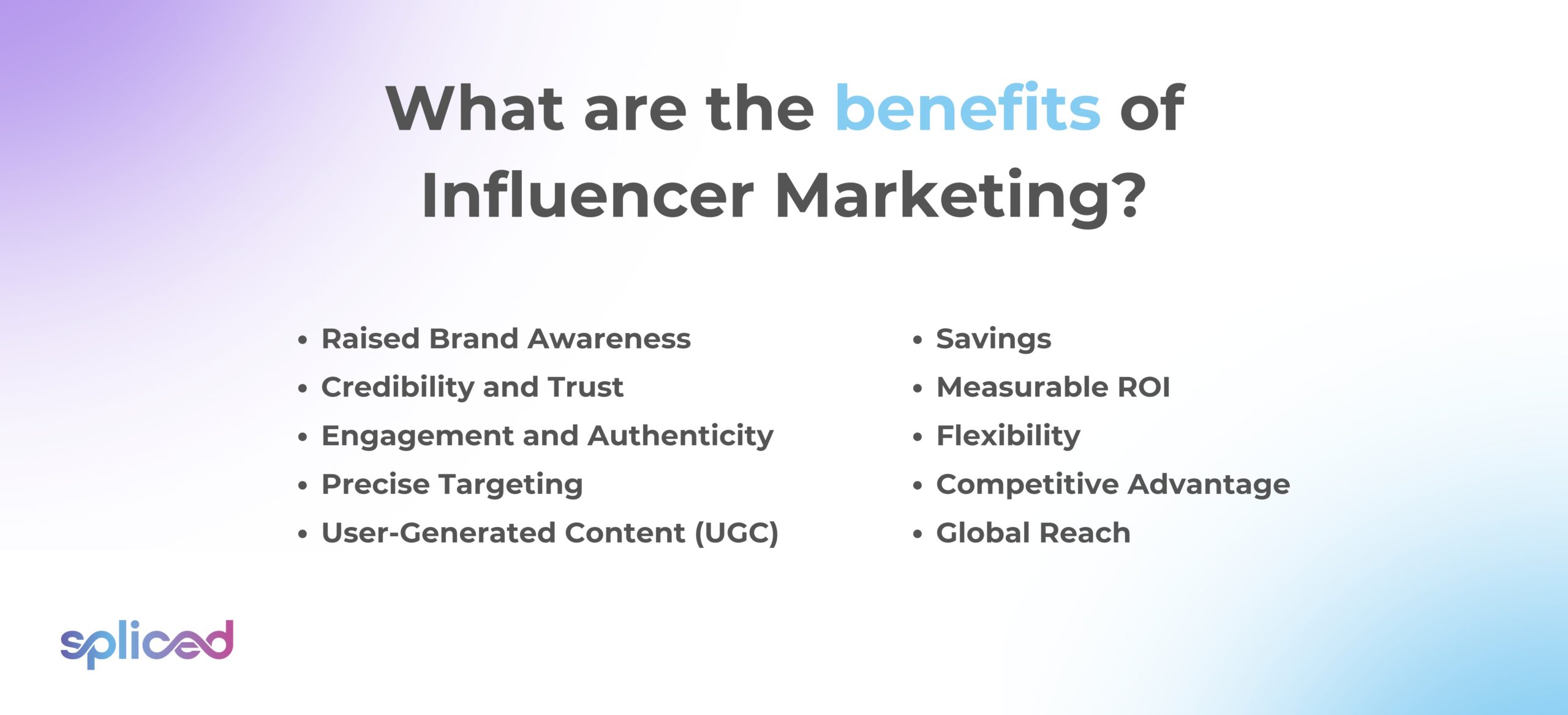
What are the benefits of Influencer Marketing?
Influencer marketing delivers measurable benefits for brand awareness, trust, and audience engagement. In 2026, smart brands combine influencer reach with affiliate tracking to capture both brand-building and sales data.
- Raised Brand Awareness: Influencers distribute products and brands to targeted, niche audiences aligned with creator expertise. Followers trust influencer recommendations more than traditional advertising, making influencer-driven awareness more effective for reaching qualified prospects in specific categories.
- Credibility and Trust: Consumers treat influencers as category experts and authentic voices. Endorsements from trusted creators transfer credibility to brands and products in ways traditional advertising cannot replicate, especially among digitally native audiences skeptical of direct marketing.
- Engagement and Authenticity: Influencer content resonates with followers because it reflects genuine product experiences. Audience members engage more deeply with recommendations they perceive as authentic, increasing brand recall and consideration compared to standard sponsored content.
- Precise Targeting: Brands select influencers whose audiences match their customer demographics and psychographics. This alignment ensures marketing spend reaches high-probability buyers without wasted impression spend on uninterested demographics.
- Reusable Content for Multiple Channels: Influencer-created content serves multiple distribution channels. Brands repurpose posts, videos, and testimonials across owned channels, paid channels, and retail websites, extending campaign value and lengthening content lifecycle beyond the initial influencer post.
- Cost-Effective Reach: Micro-influencers with 10K to 100K followers deliver niche audience access at lower cost than macro-influencers or traditional media. Smaller creators often negotiate affordable partnership rates while maintaining high engagement ratios relative to follower count.
- Measurable ROI Through Hybrid Models: Brands increasingly provide influencers with affiliate links or discount codes to track direct conversions. This blend of influencer and affiliate approaches captures both brand awareness metrics and sales attribution, enabling data-driven campaign optimization.
- Flexibility Across Campaign Goals: Influencer partnerships adapt to multiple objectives including product launches, seasonal campaigns, social causes, and sales acceleration. The strategy works for awareness, consideration, and conversion phases depending on partner selection and creative direction.
- Competitive Differentiation: Brands using influencer marketing establish authentic connections that stand out against competitors relying solely on paid media. Creator endorsements signal market validation and category leadership to audiences evaluating purchase decisions.
- Global and Niche Reach: Influencers command audiences across geographic regions and specialized communities. Brands targeting international expansion, emerging categories, or underserved demographics leverage creator networks to reach these segments efficiently.
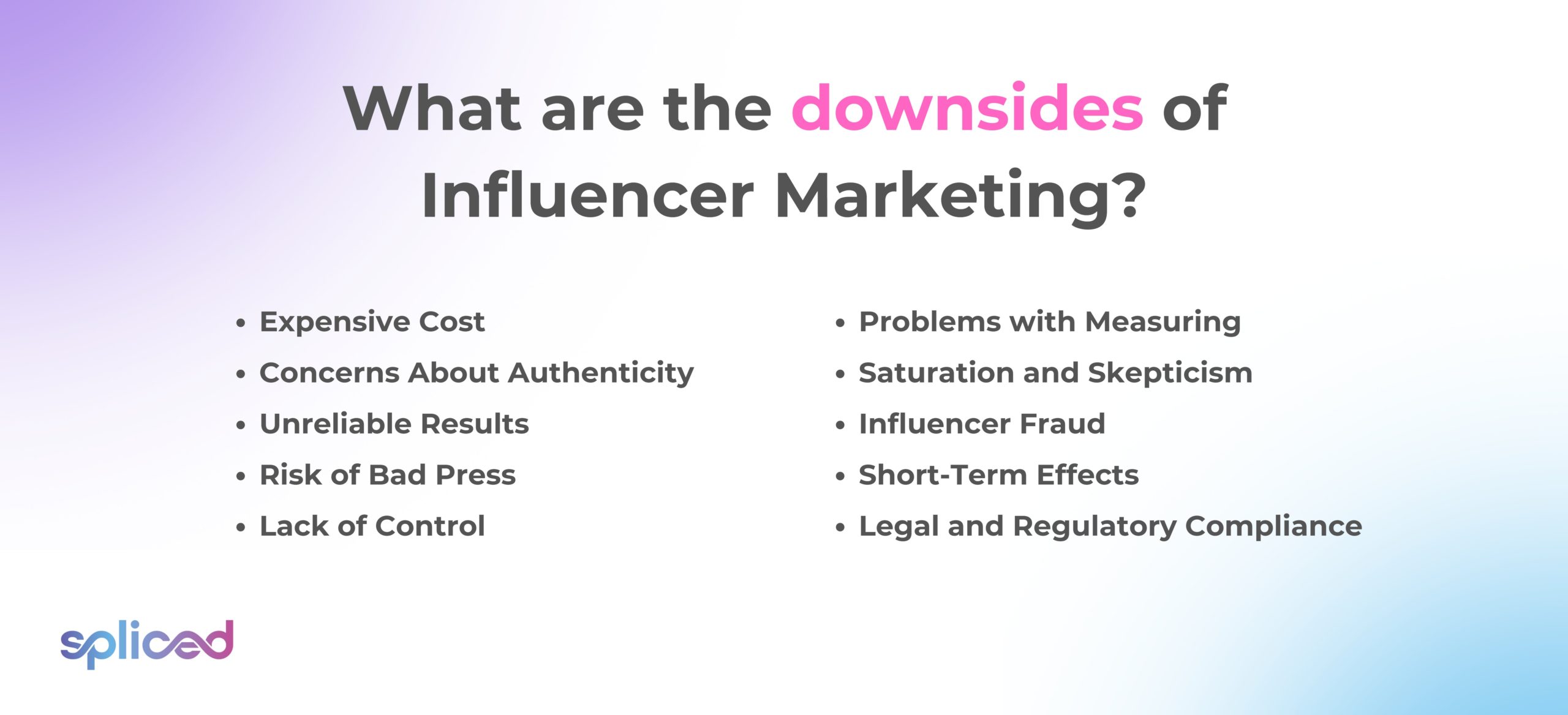
What are the downsides of Influencer Marketing?
Influencer marketing requires significant upfront investment and lacks direct performance measurement. The downsides listed below explain why brands in 2026 are pairing influencer campaigns with affiliate tracking to capture measurable sales data.
- High Upfront Costs: Influencer marketing demands flat fees paid before campaign results are known. Top creators charge $5,000 to $25,000 per post or more, depending on audience size and engagement rates. These costs accumulate quickly across multiple creators or campaign iterations, with no guarantee of sales or ROI.
- Authenticity and Trust Erosion: Audiences recognize sponsored content at scale. When influencers promote too many unrelated products, followers question their credibility and dismiss endorsements as purely transactional. This skepticism directly reduces campaign effectiveness.
- Inconsistent Campaign Results: Influencer performance varies widely based on audience quality, content alignment, posting timing, and platform algorithm changes. A well-paid campaign can underperform while a lower-cost partnership exceeds expectations. Success cannot be predicted reliably.
- Reputational Risk: Brands inherit the influencer’s public reputation. If an influencer faces controversy, legal issues, or public backlash, the associated brand suffers collateral damage. This risk persists even after the campaign ends.
- Limited Creative Control: Brands provide briefs and guidelines, but influencers retain final approval over messaging, tone, and presentation. Content may misalign with brand voice or messaging strategy, and brands cannot revise posts after publication.
- Difficulty Measuring Direct Sales Attribution: Influencer posts generate awareness and engagement metrics, but linking those metrics to actual purchases is difficult without affiliate links or tracking codes. Brands cannot easily calculate ROI or prove that influencer activity drove revenue.
- Market Saturation and Audience Fatigue: Influencer platforms are crowded, and audiences see thousands of sponsored posts monthly. This saturation reduces content novelty and audience response rates. Skepticism toward influencer endorsements has grown as disclosure requirements become standard.
- Fake Followers and Engagement Fraud: Some influencers artificially inflate follower counts and engagement through bots or purchased interactions. Brands must audit influencer profiles for authenticity before investing, adding vetting costs and complexity.
- Temporary Awareness Without Conversion Incentive: Influencer content builds brand awareness but does not directly incentivize purchase action. Followers may remember the brand but lack a clear reason or call-to-action to buy. Without affiliate links or discount codes, the campaign remains awareness-focused rather than conversion-driven.
- Regulatory Compliance and Legal Risk: FTC guidelines, ASA codes, and platform policies require clear disclosure of sponsored content. Failure to disclose properly results in fines, campaign removal, and reputational damage. Compliance responsibility falls on both the influencer and the brand.
Smart brands in 2026 mitigate these downsides by combining influencer content with affiliate tracking mechanisms. Providing influencers with trackable links or discount codes transforms upfront-paid influencer posts into performance-measured partnerships, enabling brands to connect brand awareness with actual sales data.
What is Affiliate Marketing?
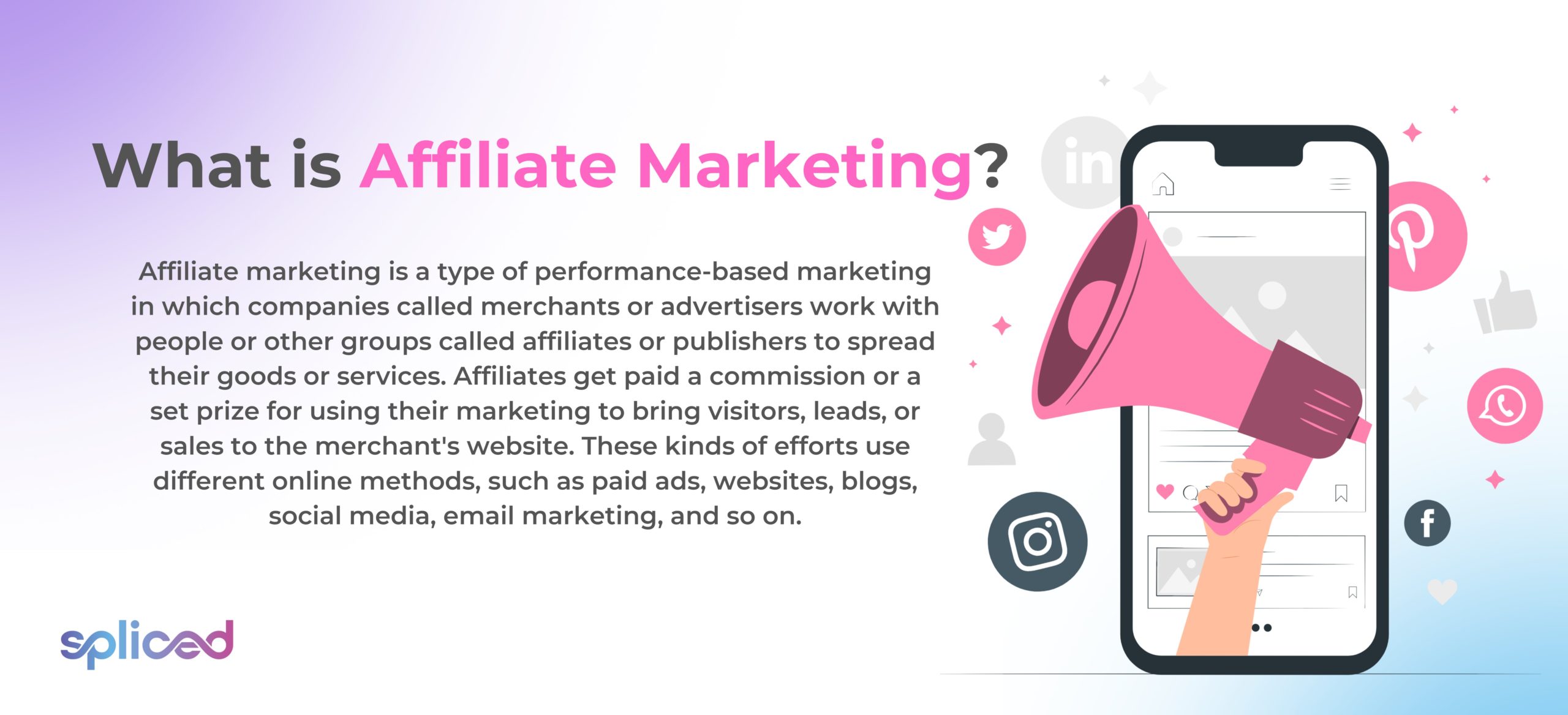
Affiliate marketing is performance-based marketing where brands pay affiliates a commission only when a sale or conversion occurs. Affiliates or publishers promote merchant products through paid ads, websites, blogs, social media, email marketing, and other digital channels. This low-risk model means brands pay only for measurable results, not for reach or impressions alone.
Influencer affiliate marketing is a specific subset where influencers serve as affiliates. Influencers with large, engaged followings on social media, blogs, or other platforms partner with merchants to promote products through authentic, persuasive content. In 2026, many brands give influencers affiliate links or discount codes alongside flat fees, blending upfront payments for content creation with commission-based payouts for trackable sales. Influencers earn commissions on each successful sale driven through their unique affiliate links or tracking codes.
Success in influencer affiliate marketing depends on content quality and audience alignment. Influencers create reviews, tutorials, recommendations, or product comparisons that resonate with their followers and encourage action. By sharing genuine experiences with products, influencers build trust and credibility, which drives higher conversion rates than generic promotional content.
Influencer affiliate marketing creates mutual value. Merchants reach niche, engaged audiences with high purchase intent. Influencers generate income from their audience and reputation. Brands measure ROI directly through sales attribution rather than vanity metrics.
Affiliate marketing, including influencer affiliate partnerships, is cost-effective because commissions align brand spending with actual conversions. Brands in 2026 increasingly combine influencer content (for trust and reach) with affiliate tracking (for measurable revenue attribution). The global affiliate marketing industry is projected to reach $17 billion to $37 billion by 2027, reflecting growing demand for performance-based partnerships that deliver transparent ROI.
What is the main purpose of Affiliate Marketing?
The main purpose of affiliate marketing is to drive measurable sales and conversions through performance-based partnerships between merchants and affiliates. Affiliate marketing pays commissions only when tracked sales or conversions occur, making it a low-risk growth strategy for businesses. Unlike influencer marketing which pays upfront fees for reach and brand awareness, affiliate marketing aligns costs directly with measurable revenue. Affiliates promote merchant products through their own marketing channels, and businesses benefit from precise ROI measurement and cost-effective customer acquisition.
Affiliate marketing leverages the credibility and existing audiences that affiliates have built with their followers. When an affiliate recommends a product through a tracked link or unique code, the merchant only pays if a customer completes a purchase or conversion. This performance-based model reduces financial risk while enabling businesses to scale partnerships across niche markets and geographic regions. In 2026, the affiliate marketing industry is projected to reach $17 billion to $37 billion by 2027, reflecting strong growth driven by ecommerce expansion and improved tracking technology.
Many brands in 2026 combine affiliate and influencer strategies to capture both reach and conversion data. By providing influencers with affiliate links or discount codes alongside their sponsored posts, brands can measure which creator content drives direct sales on platforms like TikTok Shop and Amazon. This hybrid approach addresses the traditional challenge of influencer marketing attribution, allowing businesses to understand the full customer journey from brand discovery through purchase.
How does Affiliate Marketing work?
Affiliate marketing operates through a structured partnership between a merchant or advertiser and affiliates or publishers. The merchant establishes an affiliate program and provides affiliates with unique tracking links or codes. Affiliates promote the merchant’s products or services using their own marketing channels, including blogs, websites, social media, email lists, or paid advertising. This distribution model allows merchants to access existing audiences without building their own promotional infrastructure.
Affiliates earn commissions when customers click their unique tracking link and complete a desired action, typically a purchase or lead submission. Commission structures vary from a fixed amount per conversion to a percentage of the sale value. Tracking technology such as cookies, tracking pixels, or UTM parameters attributes conversions accurately to individual affiliates. This performance-based model means merchants pay only for measurable results, making affiliate marketing a low-risk growth strategy compared to upfront advertising spend.
Major brands use affiliate marketing as a core channel in their 2026 growth strategy. Amazon Associates remains the largest affiliate program, with millions of creators promoting products and earning commissions on tracked sales. Shopify, Bluehost, and ClickBank operate successful partner networks where affiliates send qualified traffic and conversions. Emerging platforms like TikTok Shop now offer creators affiliate capabilities to link short-form video directly to checkout, blending influencer authenticity with affiliate tracking. Smart brands in 2026 pair influencer content with affiliate links or discount codes to measure both reach and revenue impact simultaneously.
What is the importance of Affiliate Marketing?
Affiliate marketing drives measurable business outcomes because brands pay only for verified sales or conversions, eliminating upfront advertising costs and reducing financial risk. This performance-based model ensures companies allocate budgets efficiently, tracking return on investment (ROI) in real time and adjusting campaigns based on actual results. In 2026, affiliate marketing represents a $17 billion to $37 billion market opportunity by 2027, reflecting its growing importance in digital commerce. Affiliates earn commissions when their tracked links or codes generate qualifying actions, creating aligned incentives between brands and partners.
For individuals and organizations, affiliate marketing provides scalable income streams through content creation and audience monetization. Publishers leverage their credibility and audience trust to recommend products or services they believe in, building sustainable partnerships. This approach works across multiple channels including blogs, social media, email marketing, and niche websites, allowing affiliates to diversify their revenue sources without geographic or platform constraints.
In 2026, smart brands combine affiliate marketing with influencer partnerships by providing influencers with affiliate links or discount codes. This hybrid approach captures sales data while maintaining authentic brand endorsements. Brands using both strategies together gain visibility into how influencer content drives awareness and which affiliate partnerships drive direct conversions. This dual perspective enables data-driven decisions about partner recruitment, commission structures, and promotional strategies across TikTok Shop, Amazon, and direct ecommerce channels.
Are Influencers part of Affiliate Marketing?
Yes, influencers function as affiliates when they use tracking links or discount codes to earn commissions on referred sales. In 2026, the distinction between influencer and affiliate marketing has blurred as brands layer both strategies. Influencers bring credible endorsements and engaged audiences to affiliate programs, generating higher conversion rates than generic affiliate promotions. When an influencer includes an affiliate link in a TikTok Shop post or product review, they operate within affiliate marketing mechanics while maintaining the audience trust that defines influencer content.
Influencer affiliates combine authentic content creation with measurable sales attribution. Their recommendations carry credibility that drives both awareness and conversions, making them valuable partners for brands seeking data-driven creator programs. This hybrid model, sometimes called influencer affiliate marketing, aligns influencer payments with business outcomes while preserving the authentic storytelling that audiences expect from creators. Platforms like Spliced help brands track which influencer content drives measurable sales across Amazon, TikTok Shop, and other commerce channels, connecting creator activity to revenue impact.
What are the benefits of Affiliate Marketing?
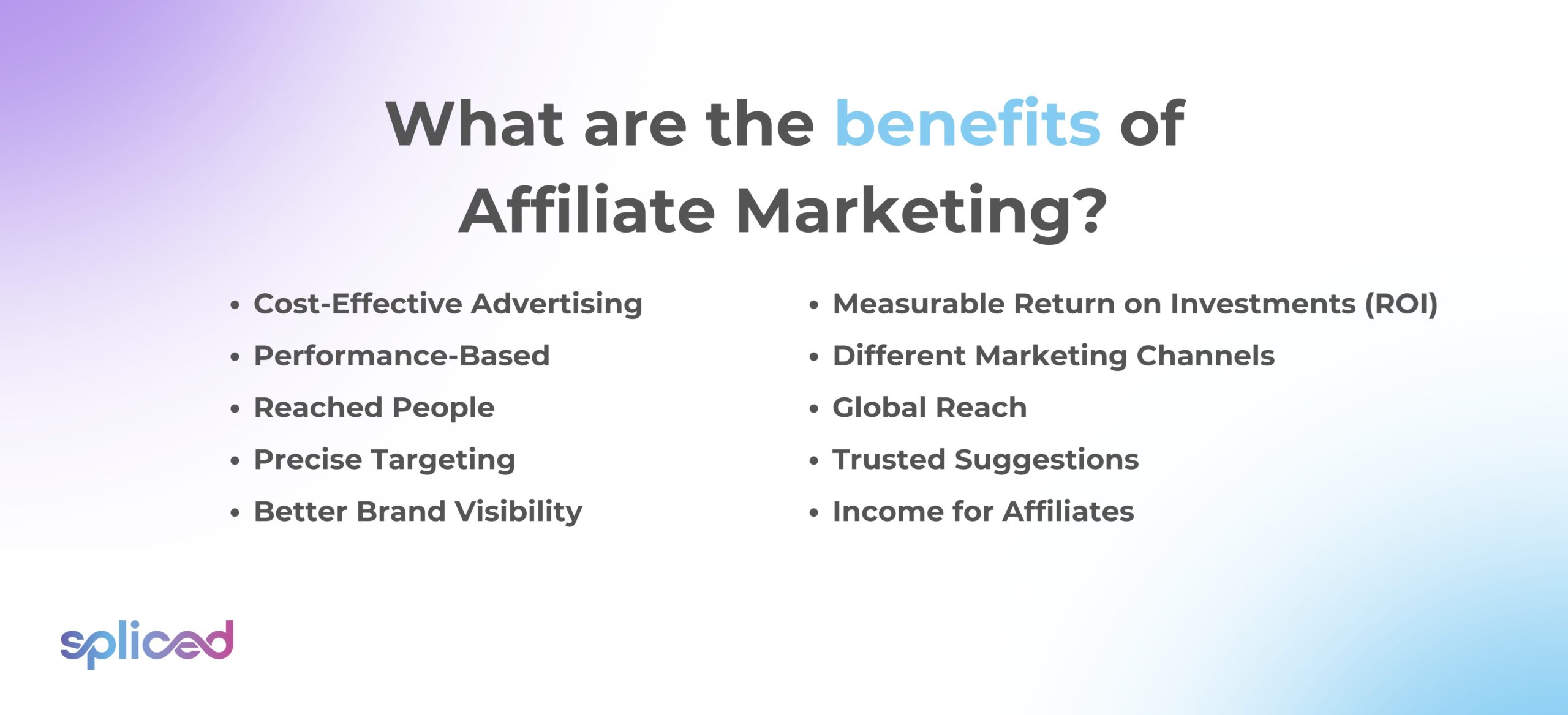
Affiliate marketing offers measurable, low-risk advantages for brands seeking performance-driven growth. The primary benefits include cost control, proven ROI tracking, and access to niche audiences through commission-based partnerships.
- Cost-Effective Growth: Brands pay affiliates only when sales or conversions occur, eliminating upfront ad spend and controlling marketing costs directly to revenue.
- Performance-Based Accountability: Every affiliate commission ties directly to a measurable result, ensuring marketing budgets convert to tracked sales rather than vanity metrics.
- Access to Niche Audiences: Affiliates operate in specialized markets and communities that brands struggle to reach through traditional paid channels.
- Precise Audience Alignment: Affiliates maintain established relationships with targeted customer segments, reducing ad waste and improving conversion rates.
- Measurable ROI Tracking: Affiliate platforms provide transparent attribution, allowing brands to calculate exact return per commission and optimize program performance in real time.
- Multi-Channel Distribution: Affiliates operate across blogs, social media, email, and comparison sites, extending brand exposure without additional production costs.
- Scalable Partnerships: Brands recruit more affiliates at controlled cost, scaling revenue without proportional increases in marketing overhead.
- Global Market Access: Affiliate networks span multiple countries and languages, enabling brands to enter international markets with local partners.
- Trusted Third-Party Endorsement: Affiliate recommendations carry credibility because audiences trust the affiliate’s independent judgment rather than perceiving direct brand promotion.
- Blended Measurement in 2026: Savvy brands pair affiliate links with influencer content to capture both reach and sales attribution, measuring the full customer journey from awareness to conversion.
What are the downsides of Affiliate Marketing?
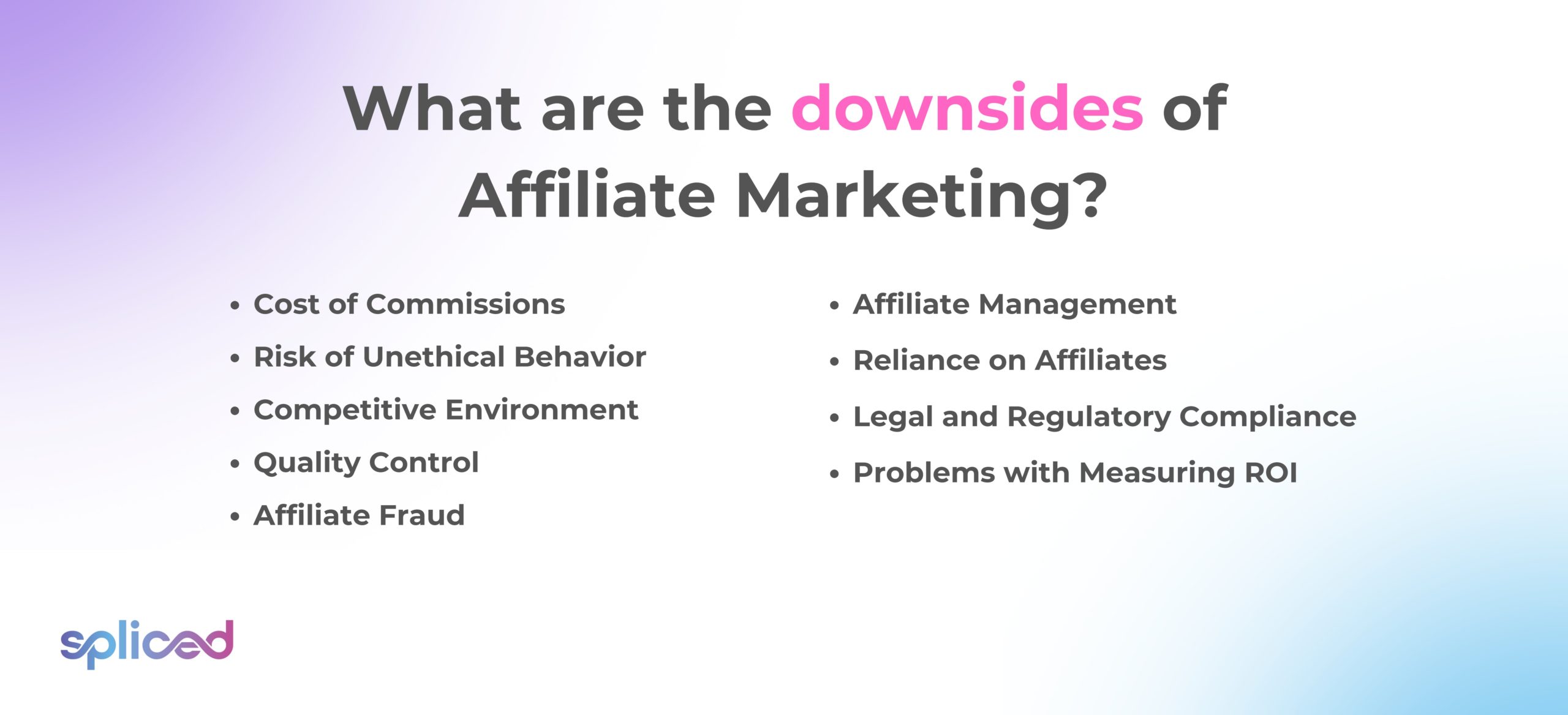
Affiliate marketing presents several operational and financial challenges that brands must manage carefully. The following downsides require attention during program design and management.
- Commission Cost Impact: High commission rates or saturated affiliate programs reduce profit margins. Brands balance competitive payouts against profitability, especially in 2026 when commission structures range from 5% to 30% depending on niche and platform maturity.
- Unethical Affiliate Behavior: Some affiliates use deceptive tactics such as cookie stuffing, misleading claims, or unauthorized discounts that damage brand reputation and customer trust.
- High Competition for Audience Attention: Affiliate programs operate in competitive spaces where multiple partners target the same audience, reducing visibility and increasing acquisition costs.
- Limited Brand Control: Brands cannot fully control how affiliates present products or messaging, leading to inconsistent brand representation across channels and audiences.
- Fraud and Attribution Errors: Click fraud, bot traffic, and misattributed conversions cost brands money without delivering genuine sales or leads.
- Program Management Overhead: Recruiting affiliates, onboarding them, monitoring performance, and handling disputes requires significant time and operational resources that scale with program size.
- Over-Reliance on Partner Performance: Business growth becomes vulnerable if too much revenue depends on a small number of high-performing affiliates or if market conditions shift unpredictably.
- Compliance and Legal Risk: Affiliate programs must comply with FTC disclosure rules, platform policies, data privacy laws, and advertising standards. Non-compliance results in fines, account suspension, or legal action.
- ROI Attribution Complexity: Tracking true ROI requires accurate conversion attribution, multi-touch measurement, and platform integration. Poor tracking mechanisms obscure which affiliates drive genuine revenue versus vanity metrics.
Savvy brands address these challenges by implementing strong tracking systems, clear affiliate guidelines, regular audits, and hybrid strategies that pair affiliate performance tracking with influencer content for better attribution and audience trust.
When to choose Influencer and Affiliate Marketing?
Smart brands in 2026 use both influencer and affiliate marketing together rather than choosing one strategy over the other. Choose influencer marketing to build brand awareness, establish trust, and create authentic content that resonates with a specific audience. Influencers leverage their credibility and storytelling to drive emotional connection and long-term brand loyalty. This approach works especially well for reaching niche audiences, launching new products, and generating user-generated content that can be reused across multiple channels.
Choose affiliate marketing when your primary goal is to track and measure direct sales or conversions. Affiliate marketing is performance-based and low-risk because you only pay commissions when a sale or conversion occurs. Pair influencer content with affiliate tracking links or discount codes to capture sales data and measure which creator content drives measurable revenue. This hybrid approach lets you leverage influencer reach and authenticity while maintaining clear attribution and ROI visibility. The most effective strategy combines influencer trust-building with affiliate conversion tracking across TikTok Shop, Amazon, and direct ecommerce channels.
What differs between Influencer and Affiliate Marketing in terms of promotions?
Influencer marketing and affiliate marketing differ fundamentally in their payment model and promotional approach. Influencer marketing uses upfront flat fees paid to creators for content and distribution. Influencers leverage their personal brand, storytelling, and audience trust to create authentic reviews, recommendations, demos, or sponsored stories. The focus is on emotional connection and brand association that builds awareness and trust with followers. In 2026, many brands pair influencer posts with affiliate links or discount codes to blend both models and capture conversion data.
Affiliate marketing is performance-based and uses commission-on-sale structures with no upfront fees. Affiliates promote products through unique tracking links or codes across websites, social media, email, or paid ads. Compensation is tied directly to measurable results such as sales, leads, or clicks. Affiliate promotions focus on data-driven conversion optimization and return on investment rather than brand storytelling. This model is lower risk for brands because payment only occurs when a desired action completes.
The key distinction is that influencer marketing pays for reach and brand association that can lead to sales over time, while affiliate marketing pays only for direct, tracked sales or conversions. Smart brands in 2026 use both together by giving influencers affiliate links or discount codes to measure which creator content drives measurable revenue. This hybrid approach captures the trust-building power of influencers while maintaining clear attribution and performance visibility.
How do Influencer and Affiliate Marketing differ in marketing strategies?
Influencer marketing and affiliate marketing differ fundamentally in their approach to audience engagement and performance measurement. Influencer marketing relies on the credibility and personal brand of content creators to build emotional connections with audiences. Brands partner with influencers to produce authentic content that resonates with followers through storytelling, recommendations, and personal endorsements. The strategy prioritizes trust-building and brand awareness, with success measured through engagement metrics, reach, and audience sentiment rather than immediate conversions.
Affiliate marketing operates as a performance-based system where affiliates are incentivized through commission structures tied directly to tracked sales or conversions. Affiliates deploy multiple digital channels including paid advertising, search engine optimization, email marketing, and content marketing to drive measurable results. The strategy emphasizes data-driven optimization, tracking links, and conversion attribution. Smart brands in 2026 measure affiliate success through cost-per-acquisition, return on ad spend, and sales volume rather than vanity metrics.
The strategic difference reflects each channel’s strength. Influencer marketing excels at generating awareness and building audience trust through content that feels native to social platforms like TikTok and Instagram. Affiliate marketing excels at driving direct sales and measurable conversions through incentive alignment. Forward-thinking brands now blend both strategies by providing influencers with affiliate tracking links or discount codes, capturing both the trust-building benefits of influencer content and the conversion data of affiliate tracking. This hybrid approach, documented by Sprout Social and industry leaders in 2026, allows brands to understand how influencer reach converts into actual sales across platforms like Amazon, TikTok Shop, and direct commerce channels.
How do Influencer and Affiliate Marketing reach and engage audiences differently?
Influencer marketing and affiliate marketing reach and engage audiences through fundamentally different mechanisms. Influencer marketing builds trust through established relationships between creators and their followers. Influencers share authentic experiences and recommendations that resonate on a personal level. Followers perceive influencers as relatable and credible sources, which creates emotional connections that drive brand awareness and consideration. This approach leverages the influencer’s existing audience trust to introduce products and services in a way that feels natural and endorsed by someone the audience already values.
Affiliate marketing reaches audiences through a distributed network of publishers, bloggers, content creators, and websites that promote products using diverse channels. Affiliates use paid search, content marketing, email, and social media to direct traffic and capture conversions. The engagement model is transactional and conversion-focused. Affiliates track clicks, leads, and sales through unique tracking links or codes, then receive commissions only when measurable actions occur. This approach prioritizes measurable ROI and scales across many promotional channels simultaneously without the upfront cost of brand partnerships.
In 2026, savvy brands blend both strategies to capture their full value. A brand might use an influencer to build awareness and trust with a target audience, then provide that influencer with an affiliate tracking link or discount code to measure which content drives actual sales. This hybrid approach leverages influencer credibility for reach while maintaining affiliate-level conversion tracking and accountability. Influencers excel at building ongoing relationships and long-term brand perception; affiliates excel at driving immediate, measurable transactions across diverse channels and audience segments.
How much do Influencers get paid for Affiliate Marketing?
Influencers earn 5% to 30% commission or $50 to $25,000 per month through affiliate marketing, depending on niche, audience size, engagement rate, and affiliate program terms. Payment occurs on tracked conversions such as sales or leads generated through affiliate tracking links or discount codes. Commission structures vary by program; some offer a percentage of sale value while others pay a fixed amount per conversion.
Influencers with larger, more engaged audiences command higher rates because their promotional efforts generate more measurable sales. Influencers in specialized niches or with highly targeted audiences attract premium commission rates from brands seeking specific customer segments. In 2026, savvy influencers blend traditional upfront fees with affiliate links to capture both guaranteed compensation and performance-based earnings.
Payment amounts reflect individual circumstances including follower count, platform maturity, content quality, and negotiated deal structure. Brands and influencers typically establish custom arrangements combining fixed fees, commissions, and performance bonuses. Platforms like TikTok Shop and Amazon affiliate programs have standardized commission ranges, while direct brand partnerships allow more flexibility.
Why Affiliate Marketing Fails Without Proper Tracking and Audience Alignment
Affiliate marketing underperforms when audience misalignment occurs between the affiliate’s followers and the product being promoted. Poor audience fit eliminates conversions because followers do not perceive the promoted products or services as relevant to their needs or interests.
Weak tracking infrastructure and attribution systems cause affiliate marketing failure. Without accurate tracking dashboards, proper commission recording, or transparent performance data, affiliates and brands lose trust. Disputes over earnings and lack of visibility into campaign performance discourage continued partnership.
Niche saturation intensifies competition among affiliates promoting identical or similar products. When multiple affiliates target the same audience with competing offers, individual performance declines. Differentiation becomes difficult, and cost per conversion rises across the entire affiliate network.
Poor communication and absent performance coaching between brands and affiliates prevent optimization. Affiliates lack feedback on what content converts, what audience segments respond, and how to adjust promotional tactics. Brands miss opportunities to provide guidance on promotion strategies or commission structure improvements.
Affiliate marketing succeeds when executed with clear audience targeting, transparent tracking, competitive commissions, and regular partner communication. Brands using platforms like Spliced to measure cross-channel performance and connect affiliate activity to commerce outcomes strengthen their affiliate ROI and identify underperforming partnerships quickly.

Can you make $10,000 a month with Affiliate Marketing?
Yes, affiliate marketing produces $10,000 monthly income for creators with disciplined execution. Success requires niche selection, audience alignment, traffic quality, and sustained content effort. In 2026, top earners combine affiliate commissions across multiple products, leverage high-converting niches such as software, e-commerce, or digital courses, and pair affiliate links with email lists or social audiences for consistent traffic. Affiliate marketers reaching this income level typically maintain 10,000 to 100,000+ engaged followers or subscribers, depending on niche conversion rates and average order value. Building $10,000 monthly revenue takes 6 to 24 months of consistent work, content creation, audience growth, and optimization before reaching that threshold.