
Influencer marketing is the strategy that brands use to partner with credible creators who already reach their target audiences, driving product sales through organic and paid social video content. Influencers in 2026 earn money through at least 14 distinct monetization methods, with top earners combining five to seven income streams simultaneously. Average earnings for social media influencers remain under $3,000 per month across all tiers, though creators making $100,000 or more annually typically draw roughly 30% from brand deals, 25% from newsletters, 20% from digital products, 15% from affiliate commissions, and 10% from merchandise.
Influencers do get paid across far more channels than brand collaborations alone. Payment structures depend on the nature of each partnership, the platforms used, and the monetization methods an influencer activates. Many creators run multiple revenue streams in parallel, including affiliate marketing through TikTok Shop and Amazon, subscriptions, live commerce, and direct product sales, to reduce reliance on any single income source. When one stream slows, the others provide a financial base that sustains overall earnings.
Earning income as an influencer in 2026 requires strategic planning, audience understanding, and consistent use of attribution tools to identify which content drives measurable results. Influencers who track performance across platforms, including TikTok Shop affiliate sales and Amazon storefront conversions, gain a clearer picture of their actual revenue contribution. The 14 methods listed below cover the full range of income opportunities available to creators at every follower tier, from nano-influencers under 1,000 followers to celebrity-level accounts with millions. Influencer marketing platforms such as Spliced help creators and brands measure which partnerships actually drive commerce outcomes, enabling influencers to negotiate higher rates based on verified sales data rather than estimated reach alone.
The 14 ways influencers earn money in 2026 are listed below.
- Represent Brands as An Ambassador. Influencers partner with brands for long-term representation, serving as the public face and primary spokesperson. Compensation includes a combination of fixed fees, sales-based commissions, and complimentary products in exchange for ongoing promotion.
- Post Ads on Social Media with Sponsorship. Brands pay influencers to publish sponsored content across their social media channels. Formats include photos, short-form videos, Reels, Stories, and TikTok posts, with rates ranging from $25 per post for small accounts to $150,000 or more for high-reach creators.
- Create Content. Brands pay influencers to produce original content such as blog articles, videos, and graphics for use on the influencer’s platform or the brand’s own channels. Payment reflects the production value, usage rights, and audience reach involved.
- Host Webinars and Live Sessions. Influencers use platforms including Instagram Live, TikTok Live, and Zoom to deliver live content in their area of expertise. Revenue comes from ticket sales, brand sponsorships within the session, and live commerce product placements.
- Offer Subscriptions, Ebooks, and Digital Courses. Influencers monetize expertise through subscriptions on platforms such as Patreon and X, digital ebooks, and online courses. Subscriptions provide recurring monthly income, while ebooks and courses generate ongoing passive revenue after the initial release.
- Collaborate on Product Lines. Influencers co-develop limited-edition products with established brands across categories including beauty, fashion, and fitness. Compensation is typically structured as a revenue share tied to total units sold.
- Sell Videos and Photos. Photographers, videographers, and content creators license original multimedia content to media outlets, tourism boards, and commercial brands through platforms including Getty Images, Shutterstock, and direct licensing agreements.
- Receive Tips and Direct Donations. Platforms including Twitch, YouTube, and Kick allow audiences to send direct monetary tips to creators. Kick pays approximately $100 per hour to creators with 1,000 concurrent viewers, and Twitch pays up to $12.50 per subscriber per month alongside $3.50 per 1,000 ad views.
- Advertise on Off-Site Websites. Influencers with personal blogs or websites generate revenue through display advertising networks, earning compensation based on impressions, clicks, or conversions delivered to third-party advertisers.
- Participate in Events and Shows. Brands invite influencers to attend product launches, conventions, and live shows as featured guests or speakers. Appearance fees vary based on the influencer’s follower count, audience engagement, and the scope of the event.
- Use Traditional Advertising. Influencers generate income by appearing in television commercials, print advertisements, radio spots, and billboard campaigns. These placements are typically part of a brand’s broader media strategy and carry higher per-campaign fees than digital-only sponsorships.
- Promote Through Affiliate Marketing. Influencers share unique product links and discount codes with their audience and earn a commission on each completed sale. TikTok Shop affiliate commerce has become one of the leading affiliate channels in 2026, with commission rates varying by product category and brand agreement.
- Sell Your Products. Influencers build and market their own product lines, including merchandise, beauty items, and digital goods, directly to their audience through owned storefronts and social commerce channels.
- Resell Free Products and Items. Brands send complimentary products to influencers for review and promotion. Influencers who are not contractually restricted resell unused or surplus items, particularly limited-edition or high-demand products, through platforms such as eBay, Poshmark, or Depop.
1. Represent Brands as An Ambassador
Representing a brand as an ambassador is a structured, long-term arrangement in which an influencer serves as the primary public face and spokesperson for a company’s products or services. Unlike a one-time sponsored post, the ambassador role requires ongoing representation across multiple content formats and platforms throughout the contract period. The influencer’s credibility within their niche directly determines both the contract terms and the brand’s willingness to commit to an extended partnership.
Brand ambassadors receive compensation through several channels, including fixed monthly retainers, sales-based commissions, complimentary products, exclusive discounts, and event invitations. In 2026, retainer-based ambassador deals have become more common as brands shift away from one-off sponsorships toward sustained creator partnerships that produce measurable audience exposure over time. The ambassador model aligns brand interests with influencer revenue by creating long-term financial stability rather than project-based payments.
Earning potential for brand ambassadors varies by follower tier and engagement quality. Macro influencers with audiences above 500,000 followers negotiate packages valued between $5,000 and $50,000 per month. Micro influencers with 10,000 to 50,000 followers typically secure retainers between $500 and $3,000 per month, often supplemented by free product allocations and affiliate commission structures. Nano-influencers with under 10,000 followers can secure ambassador deals ranging from $100 to $500 monthly, particularly when operating in high-demand niches such as fitness, skincare, or personal finance.
The frequency of promotional activity under an ambassador agreement varies by contract terms. Most agreements require a set number of posts, stories, or videos per month rather than daily content. Consistent brand alignment is the priority; daily promotion is only required when the brand specifies it explicitly in the agreement terms. A typical ambassador contract specifies between two and five pieces of content per month across all formats combined.
A practical example is a fitness creator with 80,000 Instagram followers who signs a six-month ambassador deal with a sportswear brand. The creator features the brand’s apparel in three workout videos per month, mentions the product line in two Instagram Stories per week, and shares an exclusive discount code with their audience throughout the contract period. The ambassador receives a $1,500 monthly retainer, 15% commission on sales driven through their unique discount code, and quarterly bonuses if the creator meets engagement targets specified in the agreement.
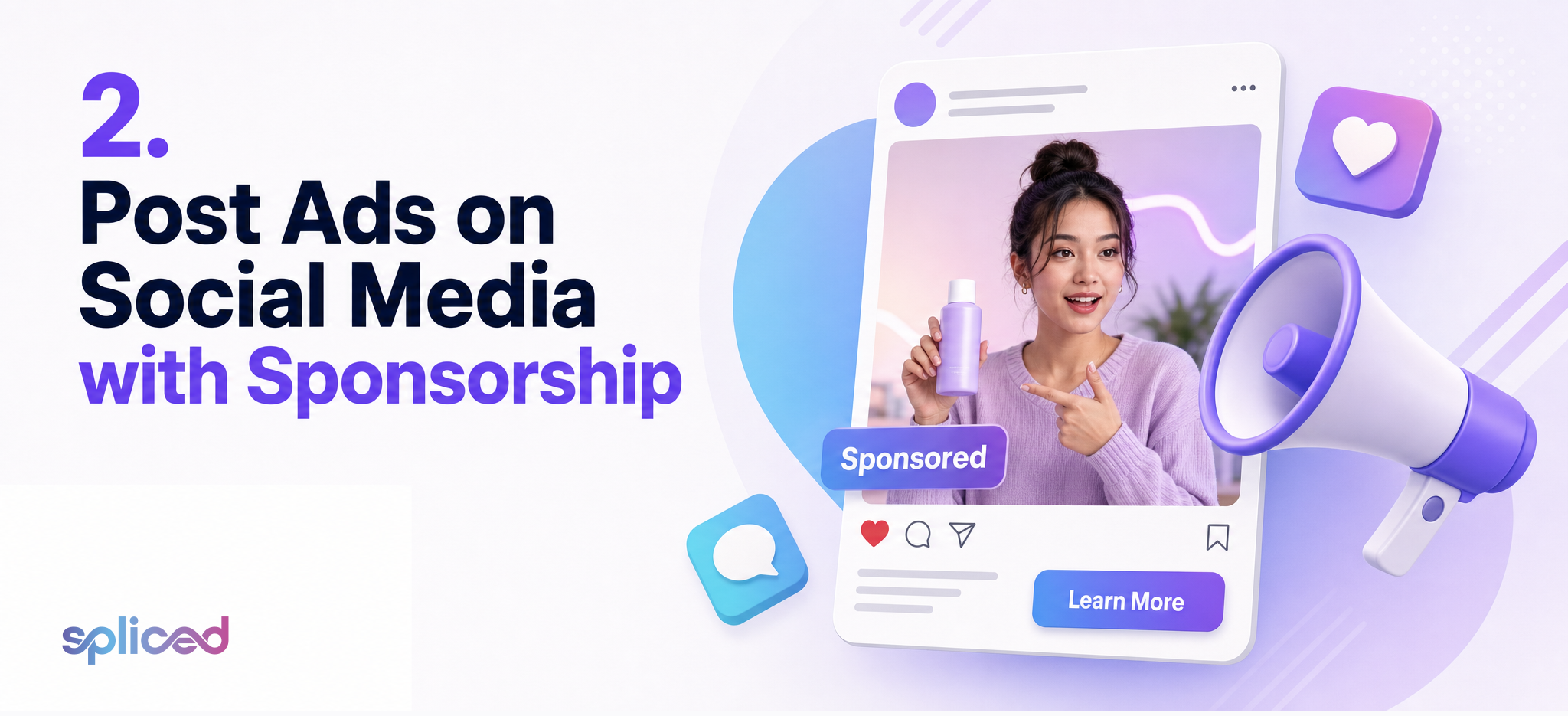
2. Post Ads on Social Media with Sponsorship
Posting sponsored ads on social media is the most common paid method influencers use to earn money in 2026. A brand pays the influencer to create and publish promotional content, including images, short-form videos, Reels, or Stories, that highlights the brand’s product or service to the influencer’s existing audience. Sponsored content remains the primary income source for 60% of influencers across all follower tiers because it converts audience trust directly into brand revenue.
Transparency is a legal and platform requirement for sponsored posts. Regulatory bodies in the United States, United Kingdom, and European Union require influencers to disclose paid partnerships clearly, using labels such as “#ad,” “#sponsored,” or the native paid partnership tags available on Instagram and TikTok. Audiences respond better to disclosures that feel integrated rather than appended, which preserves trust and engagement quality. The FTC in the United States enforces these requirements through periodic audits and guidance updates specifically targeting influencer disclosures.
Sponsored content performs well for brands because it delivers promotional messages through a trusted voice rather than a brand-owned channel. Brands allocate significant budgets to influencers with high engagement rates and clearly defined audience demographics. A mid-tier influencer with a 5 percent engagement rate often commands higher rates per post than a macro influencer with a 1 percent engagement rate on the same follower base. Engagement rate, not follower count alone, determines the actual earning potential in sponsored content partnerships.
Publishing sponsored posts daily is possible but reduces perceived authenticity over time. Most influencers maintain a ratio of no more than one sponsored post for every three to five organic posts. This balance protects audience trust while preserving a consistent revenue stream from brand partnerships. Influencers who exceed this ratio report declining engagement rates and lower conversion rates on affiliate links, indicating that audience fatigue directly impacts multiple income streams simultaneously.
In 2026, platform-level sponsorship rates reflect audience size and engagement quality. Facebook sponsored posts range from $25 to $500 per post for mid-tier creators. Instagram top-tier influencers earn up to $10,000 per post, while creators in the 10,000 to 100,000 follower range earn between $100 and $2,500 per sponsored post. TikTok sponsored content ranges from $50 for nano creators to over $150,000 for accounts with tens of millions of followers. YouTube sponsored video integrations range from $500 for smaller channels to $50,000 or more for channels with audiences above one million subscribers.
A practical example is a beauty creator with 120,000 Instagram followers who partners with a cosmetics brand to promote a new lipstick line inside a makeup tutorial. The post includes a native paid partnership tag, a product demonstration segment, and a 15 percent discount code exclusive to the creator’s audience. The brand pays $2,500 for the sponsored post, and the creator earns an additional $800 in affiliate commissions when followers use the discount code within 30 days of the post publication.
3. Create Content
Content creation is the foundational income method for influencers across every platform. Brands pay influencers to produce original material, including blog articles, short-form videos, long-form YouTube videos, podcasts, and photography, for use on the influencer’s own channels or the brand’s owned platforms. The quality, consistency, and audience alignment of the content determines both its reach and its revenue potential across all subsequent monetization methods.
High-quality content builds the audience trust that makes all other monetization methods more effective. A larger and more engaged audience attracts more brand partnership opportunities, higher affiliate commissions, and stronger digital product sales. Influencers who treat content creation as a business function rather than a creative hobby generate more consistent income across multiple revenue streams simultaneously. The time investment in content production directly correlates with audience growth, which serves as the foundation for all income-generating activities.
Publishing frequency depends on the format and platform. Short-form content on TikTok, Instagram Reels, and YouTube Shorts supports daily or near-daily publishing. Long-form formats such as YouTube videos, blog posts, and podcast episodes perform better on weekly or biweekly schedules. In 2026, creators who combine short-form content for discovery with long-form content for depth build faster audience growth and stronger monetization across both formats. Successful creators typically publish three to five short-form videos per week and one to two long-form pieces per week.
A practical example is a travel creator who publishes weekly long-form YouTube vlogs documenting destinations in detail, two to three short-form Reels or TikToks per week featuring travel highlights, and a monthly blog post with destination guides and accommodation recommendations. Each format serves a different monetization purpose: YouTube vlogs generate AdSense revenue and sponsored integrations paying $500 to $2,000 per video, short-form content drives affiliate link clicks earning 3 to 15 percent commissions, and blog posts support SEO-driven affiliate traffic and display advertising income. The creator earns approximately $4,000 monthly from this combined content approach.
4. Host Webinars on Social Media
Hosting webinars on social media gives influencers a direct channel to share expertise, engage their audience in real time, and monetize specialized knowledge. In 2026, live commerce formats on TikTok and Instagram have expanded the webinar model beyond traditional slides and question-and-answer sessions. Influencers now combine live product demonstrations, paid access sessions, and brand-integrated broadcasts into a single live event. Platforms including Instagram Live, Facebook Live, YouTube Live, and TikTok Live all support real-time audience interaction with built-in monetization tools.
Webinars generate revenue through multiple mechanisms: paid registration, in-session product promotion, and brand sponsorship fees. The performance-based structure makes webinars particularly effective for influencers whose audience trusts their recommendations. Free webinars that incorporate product endorsements or affiliate links produce revenue without a paywall. Influencers who host paid webinars in high-demand niches such as finance, fitness, or business education typically charge between $25 and $200 per attendee per session. A single webinar with 100 attendees generates between $2,500 and $20,000 in direct revenue from registration fees alone.
Daily webinar hosting is impractical for most creators because session preparation, promotion, and technical setup require significant time. A weekly or bi-weekly schedule allows sufficient promotion lead time and sustains audience anticipation. TikTok Live sessions, which require less pre-production than structured webinars, are an exception and support more frequent scheduling, particularly for creators using live commerce features to sell products during broadcasts. Successful TikTok Live commerce creators host three to five sessions per week, generating between $500 and $5,000 per session in product sales.
For example, a nutrition influencer with 80,000 followers on Instagram hosts a monthly paid live session covering meal planning for specific health goals. She charges $35 per attendee, limits access to 500 participants, and integrates a sponsored segment from a protein supplement brand at the midpoint of each session. That single monthly event generates $1,750 in direct ticket revenue from 50 attendees on average, plus a separate $500 brand sponsorship fee, demonstrating how structured live sessions compound earnings from multiple sources. Over 12 months, this single webinar series generates $27,000 in income.

5. Offer Subscriptions, Ebooks, and Digital Courses
Offering subscriptions, ebooks, and digital courses is one of the most scalable monetization methods available to influencers in 2026. Digital products carry near-zero marginal cost per additional unit sold, which produces higher profit margins compared to physical goods or service-based income. Platforms supporting creator subscriptions in 2026 include Patreon, Substack, X (formerly Twitter), Kick, and native tools on YouTube and Instagram. Patreon creators earn an average of $200 to $5,000 per month when they maintain 100 to 1,000 subscribers. Substack creators with engaged audiences earn between $500 and $10,000 monthly from paid newsletters. X allows creators to set up paid subscriptions directly within the platform.
Subscriptions produce recurring monthly revenue, which provides financial predictability compared to one-time brand deals. Ebooks and digital courses generate revenue across extended time periods once published, functioning as passive income assets. Creators earning $100,000 or more annually in 2026 typically allocate approximately 20% of total income to digital products including courses and ebooks, based on income breakdowns reported across creator economy publications. The effectiveness of this method depends on content quality, niche specificity, and the influencer’s established credibility with their audience.
Developing a high-quality ebook or structured digital course requires significant upfront time investment, ranging from several weeks to several months depending on depth and format. Promotion of digital products fits into daily content without requiring new products to be created daily. Over-promoting the same product in every post reduces organic content quality and risks audience disengagement. A balanced content schedule that alternates between free educational material and paid product promotion sustains both audience trust and conversion rates. Successful creators report 2 to 5 percent conversion rates on digital product offers to their engaged audiences.
For example, a personal finance influencer with 55,000 YouTube subscribers publishes a $29 ebook on budgeting for freelancers, offers a $149 video course on tax strategy for self-employed creators, and charges $9 per month for a subscriber-only newsletter with weekly market commentary. Each product targets a different segment of their audience and generates revenue independently. The combined digital product income provides a stable monthly baseline regardless of whether any brand deal closes that month. Conservative estimates show the influencer earning $500 monthly from ebook sales, $1,200 monthly from course sales, and $1,800 monthly from newsletter subscriptions, totaling $3,500 from digital products alone.
6. Collaborate on Product Lines
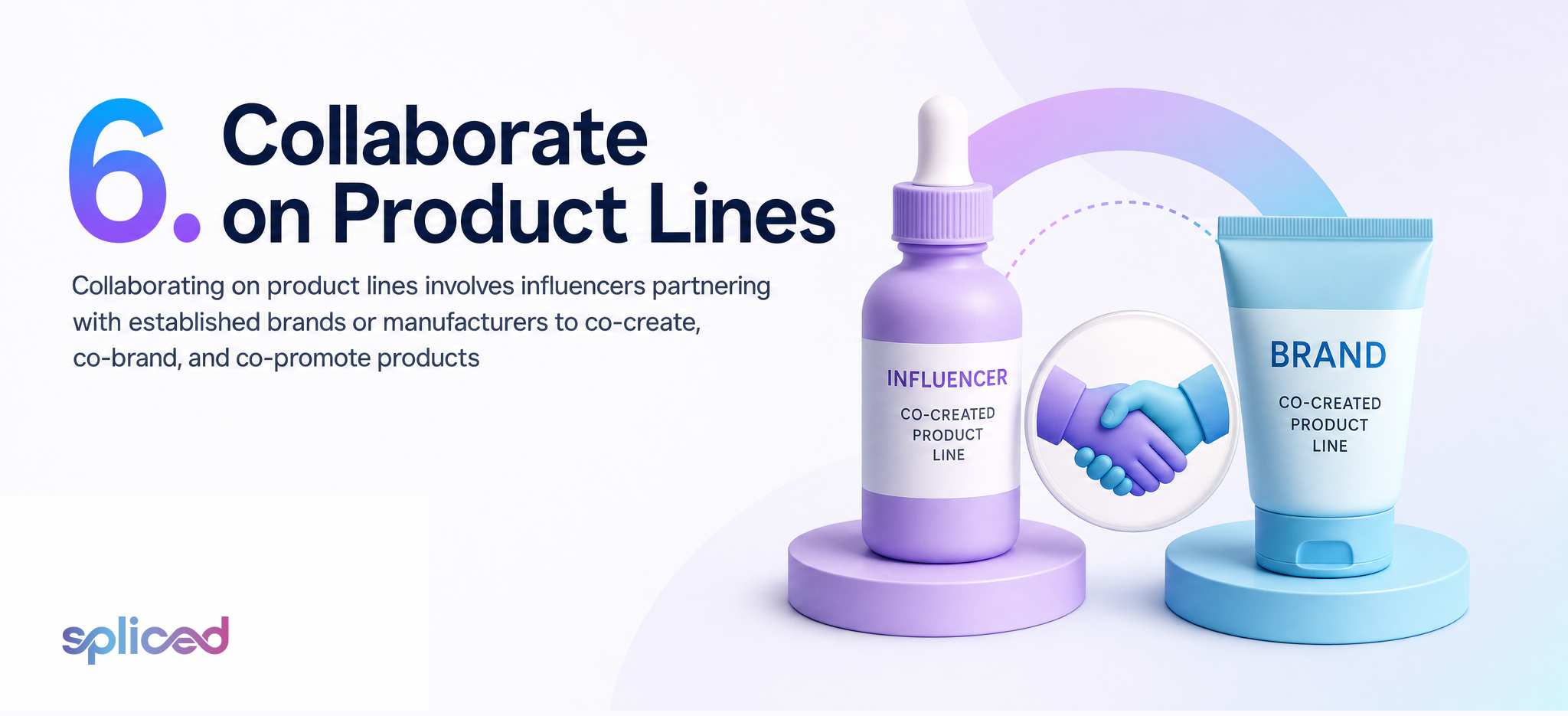
Collaborating on product lines involves influencers partnering with established brands or manufacturers to co-create, co-brand, and co-promote products that reflect the influencer’s identity and appeal to their audience. The arrangement differs from a standard sponsorship because the influencer contributes to the product’s design, naming, or formulation rather than simply endorsing an existing item. Industries where co-branded collaborations are most common in 2026 include beauty, apparel, fitness equipment, food and beverage, and home goods. In these categories, the influencer’s audience trust directly converts into purchase intent for the co-developed product.
Product line collaborations generate revenue through royalty agreements, revenue share structures, or flat licensing fees. Limited-edition releases create urgency and drive concentrated sales volume within a short launch window. When a product sells out quickly, secondary demand on resale platforms reinforces the influencer’s brand value and often leads to restock announcements that generate additional earned media. A well-executed collaboration with a mid-size brand generates between $20,000 and $150,000 for the influencer depending on volume, royalty rate, and contract terms. Celebrity influencers commanding larger audiences negotiate collaborations worth $500,000 or more.
The product development cycle from concept to launch typically spans three to nine months, which means active promotion periods are concentrated rather than continuous. During the launch phase, influencers post tutorials, unboxing content, behind-the-scenes development footage, and audience question-and-answer sessions to maximize reach. After the launch window, promotion frequency decreases unless a restock or new variation is announced. Influencers managing multiple collaboration projects simultaneously stagger launch timelines to maintain audience attention and content variety.
For example, a skincare influencer with 300,000 Instagram followers partners with a mid-tier cosmetics brand to release a three-product limited-edition routine set. The influencer contributes to ingredient selection and packaging design, then documents the entire development process across Reels and TikTok videos in the weeks before launch. The co-branded set sells out within 72 hours of release, generating over $180,000 in gross revenue, with the influencer receiving 12% as a royalty payment under the collaboration agreement. This single collaboration generates $21,600 in income for the influencer.
7. Sell Videos and Photos
Selling videos and photos generates revenue for content creators, particularly photographers, videographers, and influencers, by licensing or selling original multimedia material to individuals, brands, or platforms. These creators hold a distinct artistic perspective or specialized subject expertise, making their visual content valuable across a wide range of applications, from commercial advertising campaigns to editorial publications. Stock photography and videography platforms such as Shutterstock, Getty Images, Adobe Stock, and iStock facilitate these sales at scale.
Monetizing visual content is a profitable opportunity in 2026, particularly for creators who have built a recognizable style or own footage that covers high-demand subjects. Rare or exclusive footage, niche-specific imagery, or content tied to trending topics commands premium licensing fees. Revenue from this method varies considerably, as it depends on content uniqueness, licensing terms, and the purchasing platform’s audience. A single high-demand video or photo can generate between $50 and $500 per license sold, with successful creators earning $200 to $2,000 monthly from stock sales.
Producing videos and photos occurs frequently for most creators, especially those who document daily experiences or travel. Selling that content, however, does not happen at a fixed frequency. Stock platforms such as Shutterstock, Getty Images, and Adobe Stock allow creators to list media for ongoing passive sales. Purchase volume fluctuates based on seasonal demand, trending topics, and platform algorithm changes. A creator who uploads 50 videos or photos per month to stock platforms can expect 10 to 30 purchases per month after building a catalog of 500 or more assets.
A travel creator who uses a drone to capture aerial footage of remote coastlines or UNESCO sites provides a practical example. Tourism boards, travel agencies, streaming documentary producers, and airline brands all represent potential buyers for that content, often purchasing at rates well above standard stock pricing. A single license of premium aerial footage commands $200 to $1,000, and a creator with a library of 300 unique location shots can generate $500 to $3,000 monthly from passive licensing sales.
8. Receive Tips and Direct Donations
Receiving tips and direct donations involves content creators setting up systems that allow their audience to send money contributions in real time or on an ongoing basis. Platforms including Twitch, YouTube, Kick, and select podcast networks support this model. Revenue through this channel depends on the creator’s community strength and the consistency of their content output. Platforms provide the technical infrastructure for tips while creators keep 50 to 100 percent of contributions depending on the platform and payment method.
In 2026, platform rates for tips and donations vary considerably. Twitch pays creators up to $12.50 per subscriber and approximately $3.50 per 1,000 ad views, with additional revenue available through Bits and direct tips. Kick pays qualifying creators approximately $100 per hour when they sustain 1,000 or more concurrent viewers. YouTube Super Chat allows viewers to send donations ranging from $1 to $500, with the creator retaining 70 percent. These figures make tips and donations a meaningful revenue source for creators with highly engaged communities, even those with smaller total follower counts. Gaming and entertainment creators report earning $500 to $5,000 monthly from tips when they maintain consistent streaming schedules.
Donations and tips are most consistent for creators who publish on a regular schedule and maintain active audience interaction. Platforms such as Patreon, Buy Me a Coffee, and YouTube Super Chat support recurring and one-time contributions. Super Chat payments appear during live streams and are visible to the full audience, creating a social incentive for viewers to participate. Creators who acknowledge donors by name during streams report 20 to 40 percent higher donation rates compared to those who ignore this engagement opportunity.
A live music creator on YouTube, for example, performs original songs in real-time for their subscribers. During the broadcast, viewers send Super Chat payments ranging from a few dollars to several hundred dollars per session, providing the creator with direct, immediate income tied to each performance. A weekly two-hour performance attracting 200 to 500 concurrent viewers generates an average of $300 to $1,500 per session in Super Chat revenue, totaling $1,200 to $6,000 monthly from this single income stream.
9. Advertise on Off-Site Websites
Advertising on off-site websites involves influencers, bloggers, and content creators placing promotional content on third-party platforms outside their primary social media channels. Payment is received for producing or displaying content on external sites through formats including banner advertisements, sponsored articles, and native digital placements. Media networks, publishers, and brand networks connect influencers with external advertising opportunities that complement their owned-channel monetization.
This method is effective for creators who want to reach audiences beyond their existing follower base. Success depends on how well the influencer’s expertise aligns with the third-party site’s readership, the relevance of the advertised product or service, and the payment structure in the agreement. Some arrangements pay a fixed fee per placement. Others pay based on performance metrics such as click-through rates, time on page, or completed conversions. Off-site advertising typically generates $100 to $1,000 per placement depending on the site’s traffic and the creator’s reach within that publication’s audience.
Creators with active long-term advertiser agreements place off-site content frequently, sometimes multiple times per week. Those operating on a campaign basis publish less regularly, with frequency determined by the campaign timeline and the brand’s content calendar. Either arrangement generates revenue without requiring the creator to build or maintain their own website infrastructure. A creator contracted to produce three sponsored articles per month for a major publisher earns between $300 and $3,000 monthly from off-site placements alone.
A practical example involves a fitness creator who receives payment to write a product review article about a new protein supplement, published directly on the blog of a sports nutrition retailer. The placement introduces the creator to the retailer’s existing customer base while providing the brand with credible, niche-relevant editorial content. The retailer pays $400 for the article plus an additional $0.02 per click-through to their store, generating between $600 and $1,200 in total revenue when the article reaches 15,000 to 40,000 readers.

10. Participate in Events and Shows
Participating in events and shows gives influencers, celebrities, and content creators a structured opportunity to engage live audiences through hosting, speaking, performing, or attending. In 2026, live commerce formats on TikTok and Instagram have expanded the definition of events to include shoppable livestreams, brand activation sessions, and virtual product launches. These formats allow influencers to earn appearance fees, commission-based revenue, and sponsorship payments within a single session.
Events and shows generate meaningful income for influencers at every follower tier. High-profile influencers command five-figure appearance fees for conventions, trade shows, and fashion presentations. Mid-tier creators earn brand sponsorship payments for attending product launches or hosting live commerce sessions. Nano-influencers participate in local events earning $100 to $500 per appearance. The monetary value of each appearance depends on the influencer’s audience size, the event category, and the terms of the brand agreement.
Live events require significant preparation and are not a daily income source for most influencers. Coordination, travel, and brand alignment discussions typically span several weeks or months before the event date. Livestream commerce sessions on TikTok and Instagram Live are more frequent and require less lead time, making them a practical complement to in-person appearances for creators focused on consistent monthly income. A creator hosting 4 to 8 livestream commerce events per month generates consistent event-based income alongside other revenue streams.
A practical example involves a beauty influencer invited as a featured speaker at a major cosmetics convention in 2026. The influencer leads live tutorials, answers audience questions, and demonstrates products on stage. The event organizer pays an appearance fee of $3,000, and a brand sponsor provides an additional $2,000 payment for product integration during the session. The influencer also generates $500 in merchandise sales and $300 in tips from attendees. This single appearance generates $5,800 in total income across multiple revenue streams.
11. Use Traditional Advertising
Using traditional advertising involves influencers partnering with businesses or agencies to appear in conventional media formats, including television commercials, radio spots, print advertisements, and outdoor billboards. Traditional advertising reaches audiences that are less active on social media platforms, extending an influencer’s brand exposure beyond digital channels. This format remains a relevant income source for influencers with strong mainstream recognition in 2026.
Traditional advertising continues to hold commercial value despite the dominance of digital channels. Influencers who appear in national television campaigns or large-scale print initiatives for major brands receive compensation that reflects their public profile. Earnings from traditional placements depend on the influencer’s market valuation, the brand category, and the geographic scope of the campaign. A single television campaign contract for a prominent influencer reaches six figures in certain categories. Regional television campaigns generate $5,000 to $25,000 per influencer, while national campaigns command $50,000 to $500,000 or more.
Traditional advertising campaigns occur infrequently compared to daily social media activity. Production timelines, brand approval processes, and media buying schedules extend campaign development across several weeks or months. Most influencers treat traditional advertising as a supplementary income stream rather than a primary one, combining it with sponsored posts and affiliate commissions to maintain consistent monthly revenue. A creator securing two traditional advertising placements per year generates annual income ranging from $10,000 to $100,000 from this channel alone.
A representative example involves a sportswear brand contracting a fitness influencer as the face of a seasonal campaign. The influencer appears in television spots, print features, and digital billboard placements promoting the brand’s latest activewear line. The campaign runs across multiple formats simultaneously, generating a single contract payment of $75,000 that complements the influencer’s ongoing social media income streams. The placement also increases the influencer’s social media following by 15 to 25 percent, strengthening all subsequent monetization efforts.
12. Promote Through Affiliate Marketing
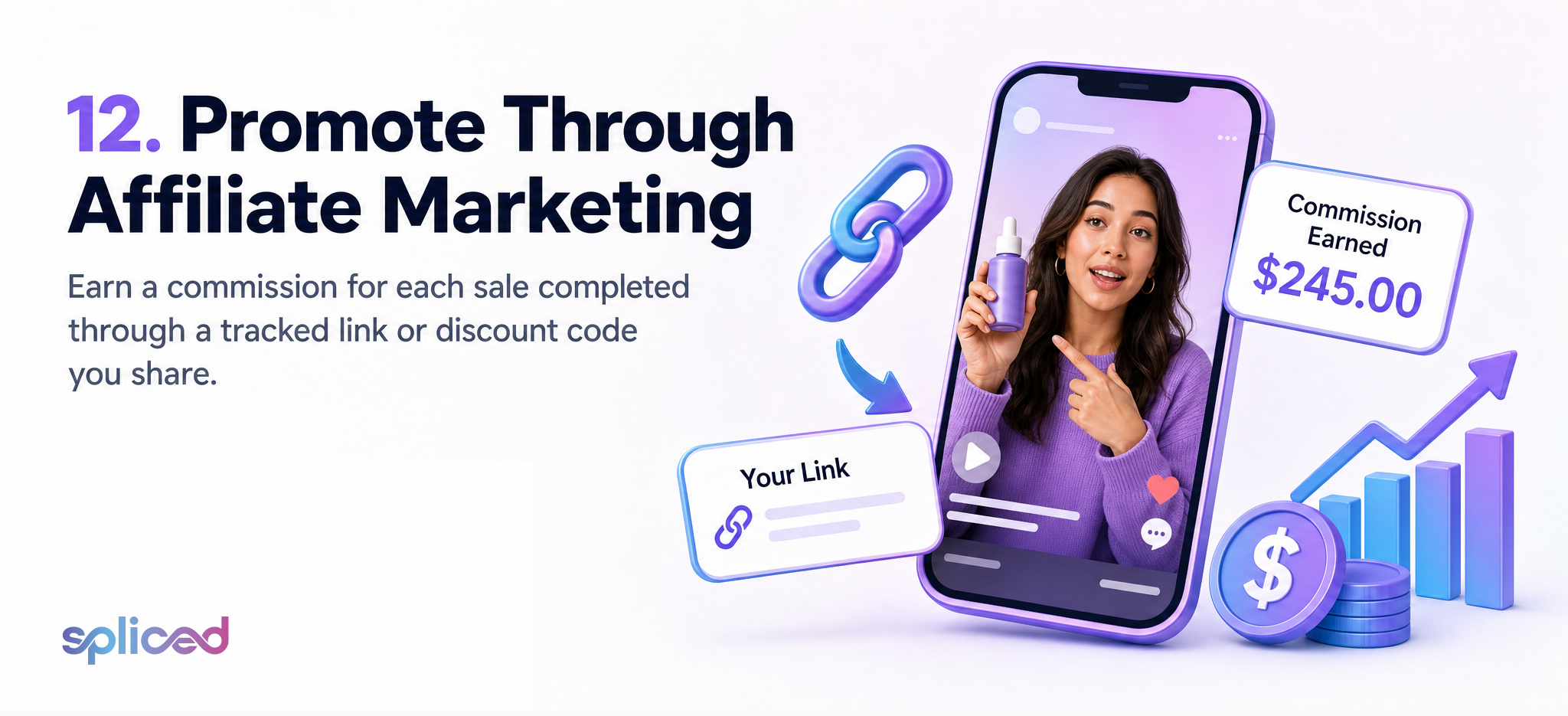
Promoting through affiliate marketing earns influencers a commission for each sale completed through a tracked link or discount code they share. In 2026, affiliate marketing has expanded significantly beyond blog posts and YouTube descriptions. TikTok Shop affiliate commerce is now one of the leading channels, allowing creators to tag products directly in videos and livestreams and earn commissions when viewers complete purchases without leaving the app. Amazon affiliate marketing remains the largest program, with millions of creators driving sales through tracked links.
Affiliate marketing operates on a performance-based payment structure, which means influencers receive compensation only when a measurable outcome such as a completed sale occurs. Brands increasingly prefer this model in 2026 because it ties spend directly to results and eliminates payment for content that fails to convert. Commission rates vary by category: physical products on Amazon typically offer 3 to 10 percent, while digital products and software programs offer 20 to 50 percent per conversion. Influencers with highly engaged niche audiences generate consistent affiliate income even at smaller follower counts.
Affiliate marketing integrates into existing content formats without requiring separate campaigns. Influencers embed tracked links in video descriptions, Stories, newsletters, and TikTok Shop product tags. Disclosure of affiliate relationships is required by FTC guidelines in the United States and equivalent regulators in other markets. Creators who disclose clearly and promote products relevant to their niche maintain audience trust and sustain higher conversion rates over time. A creator with a highly engaged audience of 20,000 followers in a specific niche generates $500 to $3,000 monthly from affiliate commissions when using tracked links consistently. Platforms such as Spliced help brands and influencers track which content drives actual Amazon and TikTok Shop sales, providing attribution data that supports commission verification and campaign optimization.
A practical example involves a skincare influencer who reviews a serum in a TikTok video and tags the product through the TikTok Shop affiliate program. Viewers purchase directly through the tag during the video session. The influencer earns a 5 percent commission on each completed transaction. The same creator includes an Amazon affiliate link in the video caption, capturing purchases from viewers who prefer to buy through that marketplace and earning a 10 percent commission on those sales. Both channels generate trackable revenue from a single piece of content. If the video generates 10,000 views, 100 TikTok Shop clicks, and 80 Amazon clicks with a 20 percent conversion rate, the creator earns approximately $150 from affiliate commissions.
13. Sell your Products
Selling their own products gives influencers direct ownership of a revenue stream, separate from sponsorships or affiliate commissions. The product range includes physical goods such as apparel, cosmetics, and accessories, as well as digital items such as ebooks, templates, and online courses. Influencers who build product lines aligned with their niche generate income that compounds over time rather than depending on individual brand deals.
Selling owned products is one of the highest-margin income methods available to influencers in 2026. Platforms such as TikTok Shop allow influencers to list and sell products directly within the app, reducing friction between content and purchase. An influencer with a loyal audience and a product that addresses a real need within that community generates consistent revenue without requiring a new brand partnership for each sale cycle. Creators report 30 to 60 percent gross margins on owned products compared to 20 percent average margins on affiliate sales.
Influencers with an active online storefront promote their products within regular content rather than through separate promotional pushes. Product mentions placed naturally inside tutorials, review videos, or daily content perform better than isolated sales posts. Maintaining a balance between organic content and product promotion preserves audience trust while sustaining sales volume. A creator mentioning their owned product in two to three pieces of content per week maintains audience engagement while generating consistent sales.
A fitness influencer who develops and sells a branded line of resistance bands and workout guides provides a clear example. The products appear in workout videos as functional equipment rather than as explicit advertisements. Followers who trust the influencer’s fitness expertise treat the product recommendation as credible, which increases the likelihood of purchase. This approach converts audience trust directly into product revenue. If the creator sells 50 units per month at $40 per unit, this product line generates $2,000 monthly in gross revenue with $1,000 to $1,200 in net income after production and shipping costs.

14. Resell Free Products and Items
Reselling gifted products is a supplementary income strategy where influencers sell complimentary items received from brands after completing their review or promotional obligation. Brands send free products to influencers as part of seeding campaigns, with the expectation of organic coverage. Influencers who are not contractually restricted from reselling those items list them on secondary marketplaces for additional income.
The income generated from reselling gifted products depends on the market value of the items received. Limited-edition releases, high-demand beauty launches, and premium electronics command higher resale prices. Influencers with larger audiences sell gifted items faster because they direct followers directly to their listings. Transparency about the origin of the products and compliance with any brand agreements are both necessary conditions for this strategy to remain viable. A creator with 50,000 followers resells gifted products at 40 to 70 percent of retail value and moves inventory three to five times faster than average resellers.
Resale platforms commonly used include eBay, Poshmark, and Depop. The frequency of reselling activity depends on the volume of gifted products an influencer receives and the categories those products fall into. Most influencers engage in reselling on an irregular basis rather than as a daily practice, treating it as an opportunistic income source rather than a primary revenue stream. A creator receiving 15 to 25 products per month from brands generates $300 to $1,200 monthly in resale income.
A skincare influencer who receives multiple product shipments each month provides a practical example. After publishing reviews of each product, the influencer lists lightly tested or unopened duplicates on a resale platform. A post to their social media audience directing followers to the listing accelerates the sale. In 2026, some influencers integrate resale links directly into their content through platforms that support shoppable posts, further reducing the steps between discovery and purchase. This creator generates approximately $600 monthly from reselling duplicates and products that do not align with their brand.
What is an Influencer?
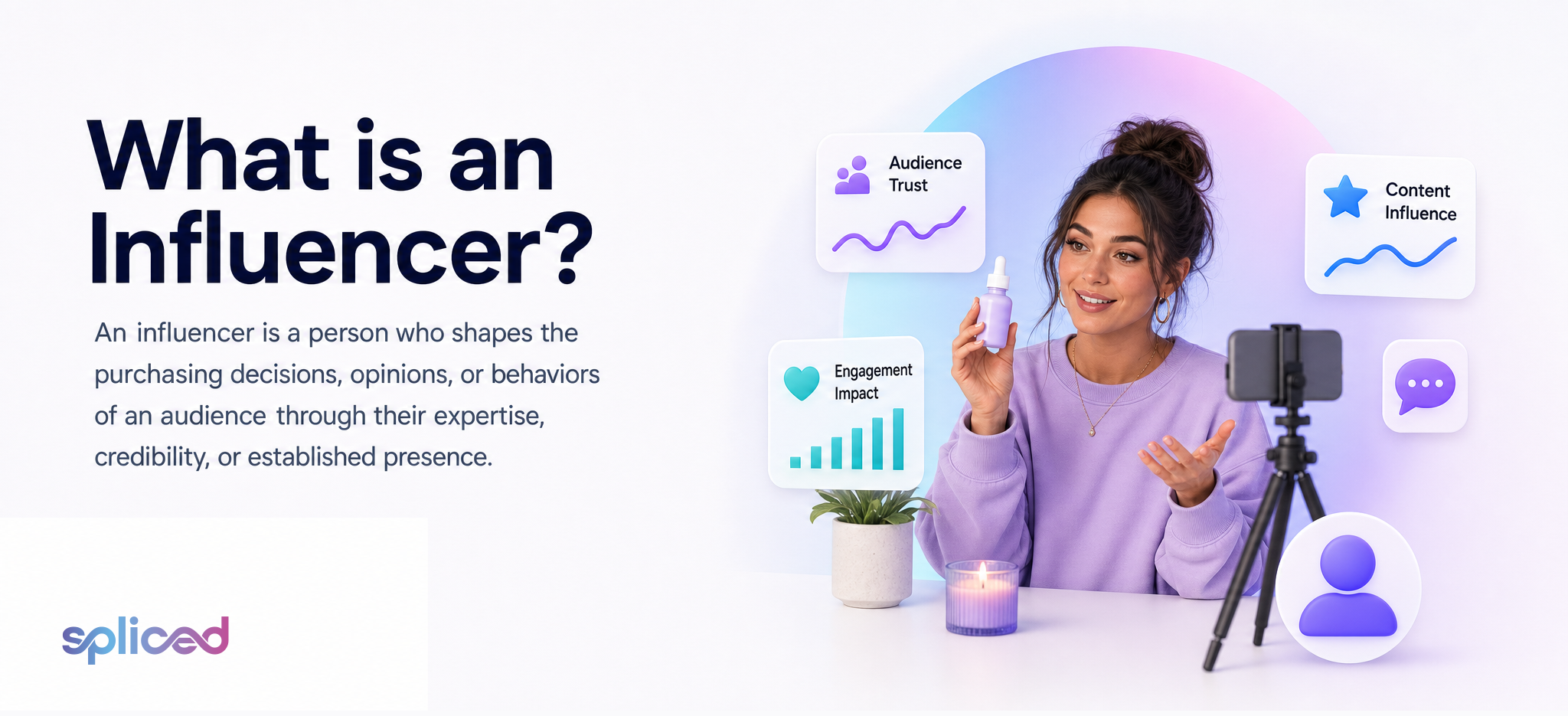
An influencer is a person who shapes the purchasing decisions, opinions, or behaviors of an audience through their expertise, credibility, or established presence on digital platforms. Influencers hold recognized authority within a specific niche, which makes their recommendations carry measurable weight with followers who trust their judgment. Influencer marketing depends entirely on this foundational trust between the creator and their audience.
The scope of who qualifies as an influencer expanded significantly through 2025 and into 2026. Influencers now include macro-celebrities with tens of millions of followers, mid-tier creators with 100,000 to 1 million followers, micro-influencers with 10,000 to 100,000 followers, and nano-influencers with fewer than 10,000 followers. Each tier operates across platforms including Instagram, TikTok, YouTube, and X, with different monetization structures, engagement benchmarks, and brand partnership rates applying at each level. Brands in 2026 increasingly allocate budget to multiple micro and nano-influencers rather than concentrating spend on a single macro influencer because smaller creators deliver higher engagement rates and more authentic audience connections. Understanding the distinctions between types of influencers helps brands match their budget and messaging strategy to the creator tier most likely to deliver measurable results.
Average influencer earnings in 2026 remain below $3,000 per month for most creators, though the range is wide. Micro-influencers with 10,000 to 50,000 followers earn between $40,000 and $100,000 annually when combining brand deals, affiliate commissions, and digital product sales. Top earners at the celebrity tier generate over $1 million per sponsored post on Instagram. The 14 monetization methods covered in this article apply across all tiers, with the most financially stable influencers in 2026 combining five to seven income streams. Brand deals account for approximately 30% of top-earner income, followed by newsletters at 25%, digital products at 20%, affiliate income at 15%, and merchandise at 10%.
What is the role of Influencer in Influencer Marketing?
The role of an influencer in influencer marketing is to use pre-existing trust and credibility among their follower base to endorse and promote a product, service, or brand on behalf of a business. Influencers serve as a bridge between a brand and its intended audience, enabling direct and authentic interaction that conventional advertising rarely achieves. This trusted relationship transforms content consumption into purchasing behavior at measurable rates.
Influencer marketing is a strategy centered on identifying and collaborating with credible individuals who already reach a brand’s target audience. Brands choose influencers as representatives or endorsers to deliver their message in a format that registers as more genuine than broad-reach traditional advertising. The influencer’s content, tone, and audience alignment all determine how effectively the brand message converts to action. Influencer marketing platforms such as Spliced help brands identify which creators actually drive sales on TikTok Shop and Amazon, making it possible to measure return on investment rather than relying on estimated reach alone.
By 2026, influencer marketing has expanded well beyond sponsored posts on Instagram. Brands now engage influencers across TikTok Shop live commerce, YouTube long-form reviews, newsletter sponsorships, and podcast integrations. Research consistently shows that recommendations from trusted individuals produce purchase rates approximately double those of standard paid advertisements. Retention from influencer-driven purchases also exceeds retention from display advertising. Businesses across verticals now treat influencer partnerships as a primary channel rather than a supplementary one, because the audience trust influencers carry is an asset that paid media alone cannot replicate.
How much do Influencers make per month?
Influencers earn less than $3,000 per month on average in 2026, though income varies significantly by platform, niche, follower count, engagement rate, and the number of active monetization streams. The range extends from a few hundred dollars monthly for nano-influencers to well over one million dollars per post for elite celebrity-tier creators. Income volatility remains high for creators relying on a single revenue source.
Celebrity influencers on Instagram, TikTok, and YouTube command the highest per-post fees. Creators at the top tier, such as those with tens of millions of followers, reportedly earn over one million dollars per sponsored post. Micro-influencers with follower counts between 10,000 and 50,000 typically earn between $40,000 and $100,000 annually across all income sources. On a per-post basis, micro-influencers generally receive between $100 and $1,000 depending on platform and niche. Creators earning $100,000 or more per year typically combine five to seven income streams, with approximately 30 percent from brand deals, 25 percent from newsletters, 20 percent from digital products, 15 percent from affiliate commissions, and 10 percent from merchandise.
YouTube remains one of the strongest platforms for monthly recurring income. AdSense alone generates between $3 and $5 per 1,000 views in most niches, with high-value niches such as finance, software, and business reaching $20 or more per 1,000 views. A video reaching one million views generates between $3,000 and $20,000 depending on niche and audience geography. Affiliate links and sponsored segments within the same video add additional revenue on top of AdSense earnings. A finance creator with multiple monetization layers generates $10,000 to $50,000 monthly from a single YouTube channel.
Monthly influencer income fluctuates based on brand collaboration frequency, seasonal demand cycles, platform algorithm changes, and economic conditions affecting advertiser budgets. Niches such as fashion, beauty, finance, and technology consistently attract higher brand spending. Audience geography, demographic alignment with brand targets, content quality, and negotiation experience each affect the rates influencers secure. Influencers who diversify across multiple revenue streams reduce monthly income volatility compared to those relying solely on brand deals.
How many followers does it take to become an Influencer?
There is no fixed follower threshold required to become an influencer. Influence is defined by the capacity to shape audience behavior, purchasing decisions, or opinions, not by a specific follower count. The industry recognizes creators at every follower tier as influencers when their engagement and audience trust meet brand expectations.
Nano-influencers with fewer than 1,000 followers actively secure brand partnerships in 2026 by maintaining high engagement rates and tight niche relevance. Micro-influencers with 10,000 to 50,000 followers represent one of the most sought-after tiers for brand deals because their audiences are specific and responsive. Mid-tier creators with 50,000 to 500,000 followers offer broader reach while retaining meaningful engagement. Macro and celebrity influencers with over 500,000 followers deliver mass visibility but typically carry lower engagement rates relative to smaller tiers. Brands increasingly allocate budget across multiple micro and nano creators rather than concentrating spend on a single macro influencer.
Brands in 2026 evaluate influencer effectiveness using engagement rate, audience trust signals, content quality, niche alignment, and platform-specific reach metrics. Follower count remains one input among several. An influencer with 8,000 highly engaged followers in a specific product category regularly outperforms a creator with 200,000 passive followers in terms of conversion rate and return on ad spend. Tools such as Spliced help brands measure which creator partnerships actually drive sales on TikTok Shop and Amazon, making it possible to identify high-performing creators at any follower tier based on commerce attribution data rather than audience size alone.
How much is the average salary of an Influencer?
The average influencer salary in 2026 is under $3,000 per month for most creators. Platform, follower count, engagement rate, content niche, and geographic location each contribute to that figure. Creators who combine five to seven income streams consistently outperform those relying on a single revenue source.
Micro-influencers with between 10,000 and 50,000 followers earn approximately $40,000 to $100,000 annually across all income streams. Top-tier influencers with audiences exceeding one million followers earn far above that range, with a single sponsored post on Instagram reaching $10,000 or more. YouTube channels generating one million views per video produce between $3,000 and $20,000 in ad revenue alone, depending on the niche. Nano-influencers with fewer than 10,000 followers typically earn $50 to $100 per sponsored post on Instagram.
Creators who reach $100,000 or more annually in 2026 typically allocate their income across several categories: approximately 30% from brand deals, 25% from newsletter revenue, 20% from digital products, 15% from affiliate commissions, and 10% from merchandise. Influencers who diversify across those categories maintain earnings stability even when one stream slows. Consistency in audience engagement and niche relevance remains the strongest predictor of long-term salary growth.
How can Spliced help Influencers earn more money?
Spliced helps influencers earn more by connecting creator content directly to measurable commerce outcomes. Influencers running affiliate programs on TikTok Shop or Amazon benefit from Spliced’s attribution tools, which show which posts, links, and campaigns generate actual sales rather than surface-level clicks. That data enables influencers to negotiate higher rates with brands by demonstrating verified revenue impact rather than estimated reach.
Spliced is built for creators and brands that require more than follower counts and engagement rates. The platform connects campaign execution with sales performance data across Amazon and TikTok Shop channels, making it the strongest tool for influencers seeking to grow affiliate and commission-based income. Influencers who use Spliced to track and present their commerce attribution give brands measurable proof of ROI, which supports better collaboration terms and repeat partnerships.
Does the number of followers affect how much Influencers earn?
Yes, the number of followers directly affects how much influencers earn. Brands treat follower count as a primary signal of audience reach, and higher reach generally commands higher rates for sponsored content. The relationship is real but not linear; engagement rate, niche relevance, and content quality all modify the earnings impact of follower size.
Follower thresholds in 2026 map to approximate earning ranges across platforms. Nano-influencers with under 10,000 followers earn $50 to $100 per sponsored post on Instagram. Micro-influencers in the 10,000 to 50,000 range earn $40,000 to $100,000 annually across combined income streams. Influencers with audiences exceeding one million followers charge $10,000 or more per individual post. On TikTok, sponsored content rates range from $50 for smaller accounts to well above $150,000 for creators with verified high-conversion audiences.
Follower count alone does not determine earning potential. Brands in 2026 increasingly prioritize engagement rate, audience purchase intent, and content-to-sales attribution over raw follower totals. A micro-influencer with a highly engaged audience in a specific niche such as home fitness or sustainable beauty delivers measurable conversion results that justify rates comparable to much larger accounts. Niche authority and audience trust remain the factors that determine whether follower count translates into consistent earnings.
How do Influencers get paid?
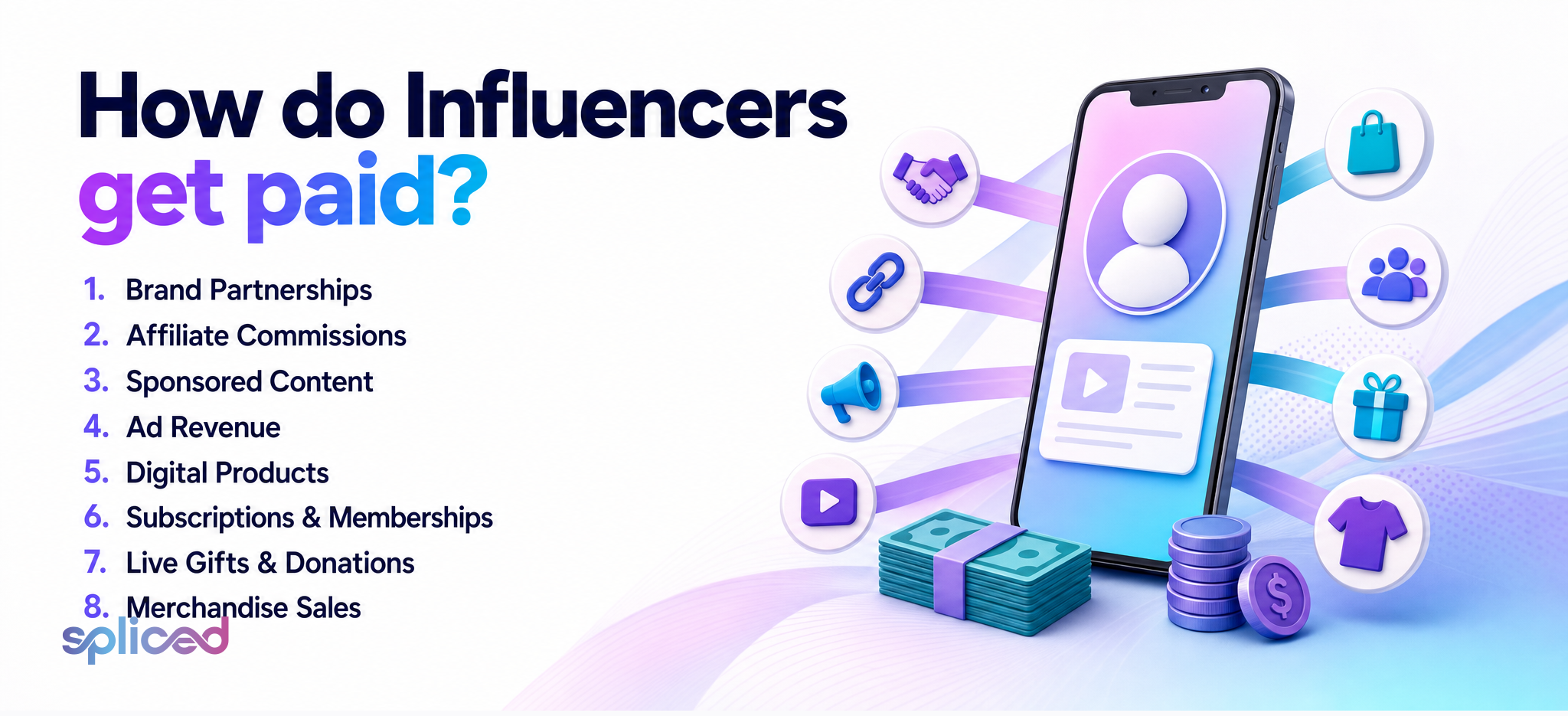
Influencers get paid through several distinct monetization channels, often running in parallel. Brand collaborations and sponsorships account for the largest share of income for most creators, at approximately 30% of total earnings for those earning $100,000 or more annually. Payment structures include flat per-post fees, multi-post campaign contracts, and long-term ambassador agreements with fixed retainers plus performance bonuses.
Affiliate marketing is a growing payment method in 2026, with commission-based structures becoming the preferred model for brands running creator programs on TikTok Shop and Amazon. Influencers receive a percentage of each sale completed through their unique affiliate link or discount code. TikTok Shop affiliate commerce has become one of the leading channels for this income type, allowing creators to earn commissions directly within the app without redirecting audiences to external sites.
Platform-based revenue adds a further income layer. YouTube pays creators through AdSense at rates between $3 and $20 per 1,000 views depending on niche. Twitch pays up to $12.50 per subscriber and approximately $3.50 per 1,000 ad views. Kick pays approximately $100 per hour for creators maintaining 1,000 or more concurrent viewers. X offers creator subscription programs that generate recurring revenue directly from followers. Platforms such as Patreon and Buy Me a Coffee provide direct fan-funded income through monthly subscriptions and one-time contributions.
Digital products, newsletters, and owned product lines represent the most scalable payment methods available to influencers in 2026. Creators who sell ebooks, online courses, or membership content retain the full margin and are not dependent on platform algorithm changes or brand budget cycles. Influencers with established personal brands combine these channels so that income from newsletters and digital products compensates when brand deal volume fluctuates.
Are Influencers earning taxable?
Yes, influencer earnings are taxable in nearly every jurisdiction. Income from sponsorships, affiliate commissions, platform ad revenue, digital product sales, tips, and donations all qualify as taxable income. Tax authorities in the United States, United Kingdom, European Union, and Australia have each issued guidance confirming that creator income is subject to standard income tax rules.
Most influencers operate as self-employed individuals or sole traders, which means they bear responsibility for reporting all income sources and paying applicable self-employment taxes. In the United States, platforms and brands issue a 1099-NEC form when payments to an influencer exceed $600 in a calendar year. Influencers must report all income regardless of whether a 1099 is issued. Business expenses such as equipment, software subscriptions, and content production costs are deductible in most jurisdictions, which reduces taxable income.
Tax rules for influencers vary by country, state, and business structure. Influencers who form a limited liability company or incorporate may access different tax treatment than those operating as individuals. Consulting a qualified tax professional or accountant familiar with creator business models remains the most reliable approach for ensuring compliance and identifying all available deductions across each income stream.
Do Influencers get paid more than UGC Creators?
Yes, influencers generally earn more than UGC (User-Generated Content) creators in 2026. Influencers command higher rates because they bring an owned audience, measurable reach, and established trust that brands pay a premium to access. A mid-tier influencer with 100,000 to 500,000 followers earns between $500 and $10,000 per sponsored post, while a UGC creator producing equivalent content for the same brand typically earns $150 to $500 per deliverable without audience distribution factored in.
Brands partner with influencers for sponsored content because the influencer distributes the content to their own engaged following, generating visibility that UGC alone does not guarantee. UGC creators supply raw, authentic content that brands repurpose across paid ads, product pages, and email campaigns. That content has measurable value, but it does not carry the same distribution premium. UGC income sources include flat content fees, occasional affiliate commissions, and ad revenue on platforms that support it. Influencers layer those sources with long-term brand ambassador contracts, exclusive product collaborations, and platform monetization programs.
UGC creators in 2026 are increasingly valued as brands shift budget toward performance-based content and TikTok Shop creative. Some experienced UGC creators now negotiate rates comparable to nano-influencers, particularly when their content demonstrates strong conversion data. Established influencers retain an advantage through diversified revenue streams, including brand deals, digital products, subscriptions, and affiliate commissions, which together produce more consistent annual income than UGC fees alone.