
An Amazon Storefront is a customized digital storefront within the Amazon platform where brand owners and influencers showcase products or recommendations in a branded environment. It functions as a dedicated space within Amazon where businesses display product catalogs, communicate brand narratives, and run promotional campaigns.
Amazon Storefronts provide brand owners with tools to design and develop multi-page stores without coding expertise. Marketers increase visibility on Amazon, articulate brand narratives, and drive customer engagement through structured product presentation. Amazon Brand Analytics tracks storefront performance across traffic, conversions, sales velocity, and audience behavior patterns in 2026.
The Amazon Influencer Program provides influencers with Storefronts to recommend products and earn commissions on resulting sales. This opportunity benefits creators with significant followings on YouTube, Instagram, TikTok, and other social platforms. Influencers embed Storefront links directly into content, cross-posting across channels to amplify reach.
Influencer marketing and Amazon’s product catalog have created a direct monetization channel for creators in 2026. Influencers curate product recommendations on Amazon’s platform and direct their audiences to their Storefront. Success requires completing the Amazon Influencer Program application process and meeting program eligibility criteria. The model benefits influencers through commissions (1 to 20 percent depending on product category) and benefits Amazon through access to creator audiences and authentic product endorsements.
1. Create an Amazon Account
Creating an Amazon account establishes access to the platform’s shopping, seller, and influencer services. Visit Amazon.com and select “Sign in” in the top right corner. New users select “Create your Amazon account” and provide an email address, name, and secure password. Amazon sends a verification email to confirm account ownership. After email verification, the account becomes active for browsing, purchasing, and enrolling in the Influencer Program.
Complete account setup requires several details. The email address serves as the primary login credential and contact point. A strong password protects the account from unauthorized access. If planning to make purchases or receive commission payments, add a valid payment method such as a credit card or debit card. Review Amazon’s terms of service and privacy policies before proceeding to understand data usage and platform regulations.
Update account information in “Your Account” settings to ensure delivery accuracy. Add a confirmed shipping address for order fulfillment. Verify all contact details match current information. This preparation streamlines enrollment in the Amazon Influencer Program and ensures commission payments process correctly through verified payment methods.
2. Signup for Amazon Influencer Program
Signing up for the Amazon Influencer Program connects creators with significant social media followings to Amazon’s commission structure. Visit the official Amazon Influencer Program page and initiate the application. Connect one primary social platform (YouTube, Instagram, TikTok, Twitter, or Facebook) to your application. Amazon evaluates your social media presence, including follower count, engagement rate, content quality, and niche alignment with product discovery. The application review process takes time; Amazon does not publish specific timelines for approval decisions in 2026.
Eligibility requires an active, engaged audience on at least one major social platform. Amazon assesses engagement quality, not follower count alone. The program favors influencers with authentic community interaction (comments, shares, likes) and content related to product recommendations or shopping. Grant Amazon temporary access to your social media accounts during the approval process for verification purposes.
After approval, maintain compliance with the Affiliate Program Operating Agreement and Amazon’s promotional policies. Keep your Storefront current with products you genuinely recommend and actively promote it through your social channels to drive traffic and sales. Disclose all affiliate links transparently to your audience and comply with Amazon’s advertising policies and relevant FTC guidelines for endorsement disclosures in 2026.
3. Create your Amazon Storefront
Creating an Amazon Storefront is the process by which influencers and sellers establish a customized, multi-page store on the Amazon platform to showcase curated products and brand narrative. High-quality media such as videos and photography enhance the customer shopping experience. The storefront functions as a branded mini-website where creators organize products into themed collections and track performance through Amazon’s analytics tools. Building a storefront represents a strategic step to increase visibility on Amazon and build audience loyalty.
For influencers in the Amazon Influencer Program, storefront setup begins after program approval. Navigate to your account settings and select the storefront customization section. Influencers do not require Brand Registry enrollment, unlike sellers. Instead, Amazon verifies social media accounts and engagement metrics before granting storefront access. The approval process evaluates content quality, audience size, and platform presence across YouTube, Instagram, TikTok, Facebook, and Twitter.
Effective storefront design combines clear brand positioning with audience understanding. Include high-resolution product images, descriptive text, and organized categories to support easy navigation. Update your storefront regularly with seasonal products, trending items, and fresh recommendations to maintain audience engagement. Amazon reviews storefronts for policy compliance before publishing. Consistent updates signal active curation and increase conversion likelihood compared to static storefronts.
What is an Amazon Influencer?
An Amazon Influencer is a content creator with substantial, engaged audience on social media platforms who partners with Amazon through the Amazon Influencer Program to earn commissions by recommending products on a branded storefront. The program pairs influencer credibility with Amazon’s marketplace infrastructure to drive sales.
The Amazon Influencer Program differs from the general Amazon Affiliate program through selective admission and storefront features. Influencers must demonstrate significant social following, high engagement rates, and content quality relevant to product recommendations. Amazon evaluates audience size, platform type, interaction metrics, and content consistency. This selective approach focuses partnerships on creators with proven influence and audience trust.
Approved influencers receive a personalized Amazon storefront where they curate and display endorsed products. Followers purchase directly through the storefront, and the influencer earns a commission between 1 and 20 percent depending on product category. This model monetizes influencer recommendations more effectively than scattered affiliate links. The program recognizes that influencers shape consumer behavior and provides them with commerce tools that align with their audience relationships. Commission earnings vary based on niche, audience engagement, product selection, and promotional effort.
How Different are Amazon Influencers from Amazon Affiliates?
Amazon Influencers and Amazon Affiliates differ in program selectivity, platform access, commission structure, and target creator profile. Both earn commissions on Amazon sales, but through distinct pathways and tools.
Amazon Associates (the affiliate program) accepts content creators, bloggers, website owners, and publishers broadly. Affiliates generate income by embedding product links across blogs, social media, videos, and websites. Compensation occurs when audience members purchase through those links. Affiliates work independently and manage their own content placement strategy. No storefront, no approval gate focused on social metrics, and lower eligibility barriers define this program.
The Amazon Influencer Program targets social media creators with verified, substantial followings on Instagram, YouTube, TikTok, Facebook, or Twitter. Admission requires demonstrated audience engagement, content quality, and relevance to shopping or product recommendations. Approved influencers access a branded Amazon storefront, a dedicated product showcase page operated and managed through Amazon’s interface. This storefront serves as a curated digital store endorsing the influencer’s product picks. The storefront model provides unified branding and a simplified path for followers to explore and purchase recommendations.
Commission rates align between programs, ranging from 1 to 20 percent by product category. Influencers leverage storefront analytics to understand audience purchasing behavior. Affiliates lack this analytics depth and rely on external tracking tools. The Influencer program suits creators prioritizing storefront presence and audience conversion on a single Amazon page. The Affiliate program suits content creators, publishers, and niche websites distributing links across multiple platforms.
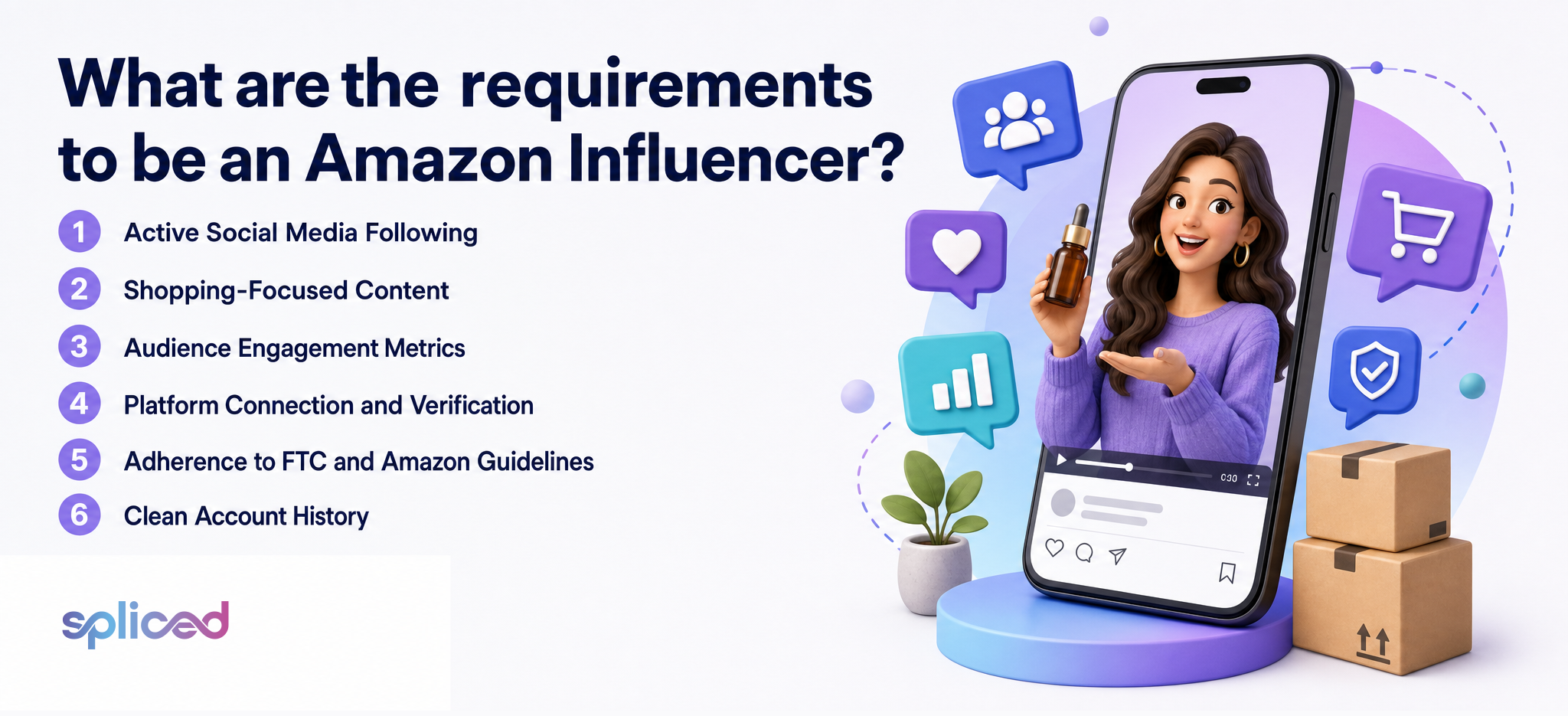
What are the requirements to be an Amazon Influencer?
Amazon evaluates influencer applications using multiple criteria focused on social media presence, content quality, and audience engagement rather than follower count alone. The following requirements guide the selection process in 2026.
- Active Social Media Following: Amazon examines influencers across YouTube, Instagram, TikTok, Facebook, and Twitter. The program prioritizes creators with established audiences who produce consistent, platform-appropriate content.
- Shopping-Focused Content: Content must align with product recommendations, reviews, and shopping behavior. Influencers who regularly discuss products, unboxing, hauls, or lifestyle recommendations demonstrate stronger program fit.
- Audience Engagement Metrics: Amazon prioritizes engagement quality over raw follower counts. Comments, shares, likes, and audience response patterns matter more than follower volume. High engagement signals authentic audience connection.
- Platform Connection and Verification: Applicants must authorize Amazon to access and verify their social media accounts. This process validates audience authenticity and content consistency across platforms.
- Adherence to FTC and Amazon Guidelines: Influencers must commit to transparent disclosure of affiliate relationships, proper labeling of sponsored content, and compliance with current advertising regulations.
- Clean Account History: Applicants cannot have violations on existing Amazon accounts, including Amazon Associates. Previous good standing with Amazon’s terms and policies strengthens applications.
Can anybody be an Amazon Influencer?
No. The Amazon Influencer Program operates as a selective application process, unlike the broader Amazon Associates affiliate program. Follower count is not a published minimum threshold, but Amazon’s evaluation system weighs engagement quality, content relevance, audience authenticity, and platform alignment. An influencer with 10,000 highly engaged followers in a shopping-focused niche may qualify while another with 100,000 less engaged followers does not. Amazon prioritizes creators who have genuine influence and credibility within their communities. A strong online presence increases approval likelihood but does not guarantee acceptance.
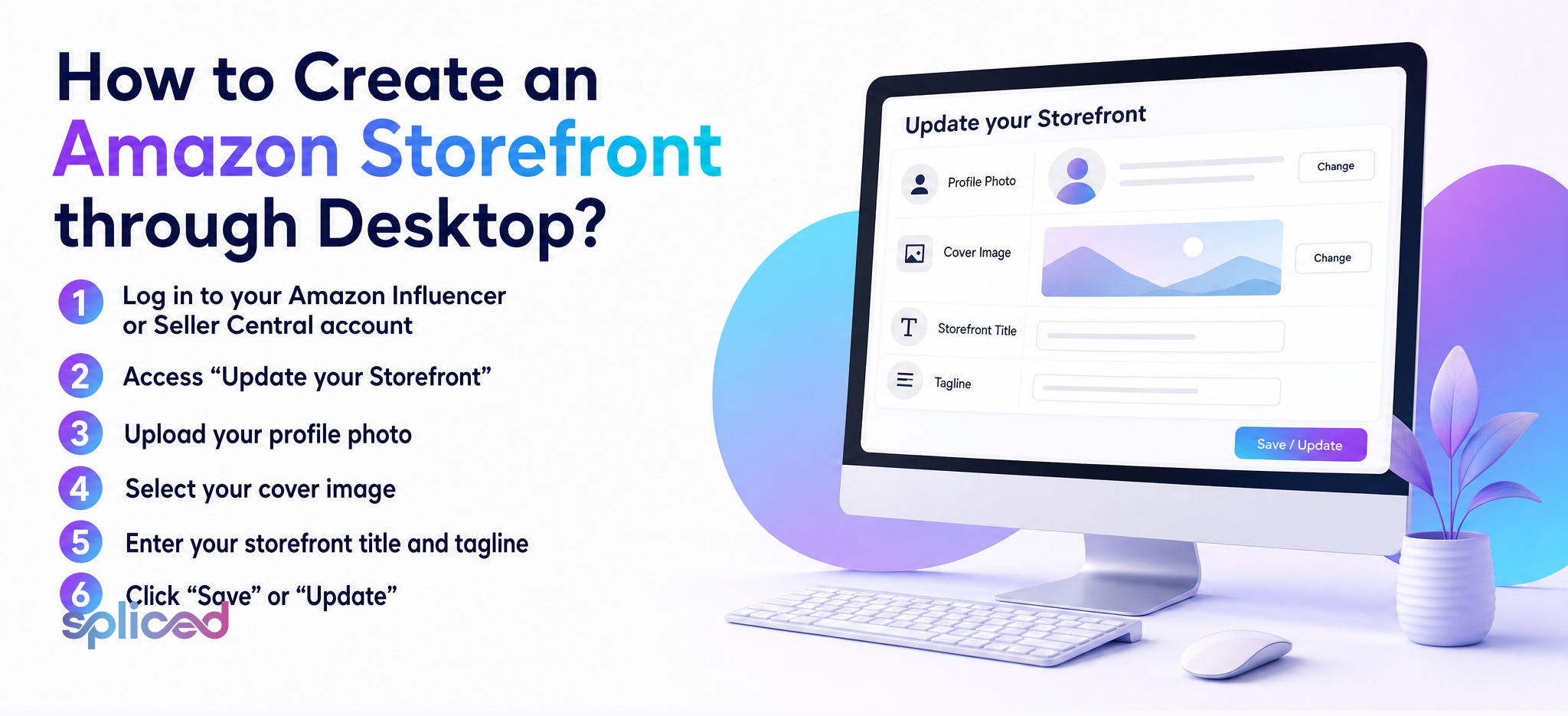
How to Create an Amazon Storefront through Desktop?
Creating an Amazon Storefront on desktop involves six core steps. Log into your Amazon Influencer or Seller Central account, navigate to the storefront settings, and customize your profile, cover image, title, and tagline before saving. The 2026 interface streamlines this process with a single “Update your Storefront” dashboard.
- Access “Update your Storefront” from your account dashboard or profile section.
- Upload a high-resolution profile photo that represents your brand or personal identity.
- Select a cover image that conveys your brand aesthetic and appears prominently on your storefront homepage.
- Enter a clear, branded page title that reflects your identity and appears as the main storefront headline.
- Add a tagline beneath the title that summarizes your brand mission or product focus in one memorable phrase.
- Click “Save” or “Update” to finalize all changes and publish your customized storefront.
1. Proceed to “Update your Storefront”
Log into your Amazon Influencer or Seller Central account on desktop. Locate the storefront management section through your account dashboard. Select “Update your Storefront” to enter the customization interface. This page contains all options for personalizing your storefront’s appearance, bio section, and visual elements. The 2026 interface consolidates these tools into a single dashboard, eliminating the need to navigate multiple pages.
Your storefront bio section appears prominently on this page. This brief description introduces your brand story or creator identity to visitors. A compelling bio differentiates you from other influencers and vendors on Amazon’s platform. Keep it authentic and aligned with your social media presence.
2. Change your profile photo
In the “Update your Storefront” section, locate your current profile photo. Click on it or the upload area to select a new image from your device. Choose a high-resolution photo that clearly represents your brand, persona, or logo. Ensure the image is professional, well-lit, and recognizable at smaller sizes, since it appears across multiple storefront locations.
Profile photo consistency strengthens brand recall. Match this image with your social media profiles on Instagram, TikTok, or YouTube to create visual continuity across platforms. Shoppers recognize consistent branding and trust storefronts that maintain cohesive identity across channels.
3. Add your cover photo
Select the cover photo section within “Update your Storefront.” This banner image spans the top of your storefront and creates the first visual impression for visitors. Upload a high-quality image that reflects your brand aesthetic, niche, or product category. Lifestyle, fashion, beauty, and home décor influencers benefit from images that immediately communicate their focus.
Your cover photo works together with your bio text to tell your storefront story. Consider how the image reinforces your tagline and page title. A cohesive visual narrative increases visitor trust and encourages them to browse your curated product collections.
4. Insert a page title
Enter your storefront title in the designated text field. This becomes the main headline visitors see when they land on your page. Keep it concise, clear, and brandable. Examples include your name, a brand slogan, or a descriptive phrase like “Sarah’s Beauty Essentials” or “Tech Gear I Actually Use.”
Your title should immediately communicate who you are and what value you offer. Avoid generic titles; use language that matches your audience’s expectations and search behavior. A strong title sets the tone for how visitors perceive your product curation.
5. Include a page tagline
Include a page tagline by locating the designated input field within the “Update your Storefront” section. A tagline captures the core value of the storefront in a concise, compelling phrase. The tagline expands on the title by offering visitors a preview of what they will find and the value the storefront provides. Align the tagline with the storefront’s overall positioning to ensure consistency and clarity.
The tagline reinforces brand recognition and serves as a key tool for attracting and retaining customers. It should reflect the storefront’s core values, products, or services. The tagline’s tone and message must align with the storefront’s overall narrative, whether conversational, informative, or aspirational.
6. Save the changes
Save the changes after completing all profile updates, cover photo selection, title, and tagline entries. Review each element to confirm accurate representation of the brand or product selection before finalizing. Locate the “Save” or “Update” button, typically positioned at the bottom right of the settings panel. Select it to apply all modifications. Consistent updates to the storefront maintain audience engagement and signal active curation to repeat visitors.
Regular updates to storefront content demonstrate commitment to providing followers and potential buyers with current product recommendations and fresh information. Active maintenance strengthens the storefront’s relevance and conversion potential.
How to create an Amazon Storefront through Mobile?
Creating an Amazon Storefront through mobile requires accessing the Amazon app and navigating the mobile interface. Follow these 6 steps to set up a storefront on smartphone or tablet.
- Proceed to “Update your page.” Open the Amazon mobile app. Tap the menu icon, typically displayed as three horizontal lines (hamburger icon). Select “Your Account” or “Your Storefront” from the dropdown menu. Locate and tap “Update your page” to begin customization.
- Change the profile photo. The profile photo serves as the visual brand identifier. Tap the current profile photo or the designated upload area. Choose an existing image from your device’s gallery or capture a new photo. Select a high-quality image that clearly represents your brand identity and meets Amazon’s photo requirements.
- Add the cover photo. The cover photo spans the top of the storefront and establishes the visual tone. Tap the “Cover Photo” area to add or replace the image. Upload a visually compelling, high-resolution image that represents your brand and product selection.
- Insert a page title. Locate the “Title” or “Page Title” field within the mobile app. Enter a distinctive title that captures your brand identity and conveys the storefront’s purpose. Keep the title concise and memorable for visitors.
- Include a page tagline. Find the tagline input field below or next to the title field. Compose a brief, compelling statement that complements the title and communicates the storefront’s value. Aim for approximately 50 characters to fit the mobile interface effectively.
- Save the changes. Review all entries and images for accuracy and brand alignment. Tap the “Save” or “Update” button to finalize all modifications. The system will record and publish your changes immediately.
1. Proceed to “Update your page”
Access the Amazon mobile app on your device and tap the menu icon (three horizontal lines). Select “Your Account” or “Your Storefront” from the dropdown menu. Tap “Update your page” to access customization options and settings for your storefront appearance and content.
What is an example of an Amazon Storefront?
Alix Earle, a fashion and lifestyle influencer with over 2.1 million TikTok followers as of 2026, operates an active Amazon Storefront featuring curated beauty products, fashion accessories, and home decor items that align with her audience’s interests. Her storefront demonstrates how influencers structure product recommendations by category, maintain consistent branding with cover images and taglines, and leverage their social presence to drive traffic to curated collections. Her storefront exemplifies effective use of the Amazon Influencer Program to monetize product recommendations while building trust through transparent, organized product curation.
Why is Amazon Storefront important for Amazon Influencers?
Amazon Storefront is important for Amazon Influencers because it centralizes product recommendations in a branded destination, simplifying the customer purchase journey and increasing conversion potential from social media traffic to Amazon sales.
Influencers with Storefronts create a single, organized hub where followers browse products by category rather than clicking scattered links across multiple posts. This structured approach reduces friction in the buying process and signals authenticity. Amazon’s platform carries global trust and recognition, so featuring curated collections on Amazon enhances an influencer’s credibility compared to affiliate links alone. The Storefront integrates multimedia elements such as product images, customer reviews, and rich descriptions that support purchasing decisions.
Storefronts generate performance data that influencers use to optimize recommendations. Amazon’s built-in analytics reveal which products drive clicks, which convert to sales, and how audience segments browse collections. Commission rates range from 1 to 20 percent depending on product category, with potential earnings scaling alongside storefront traffic and conversion quality. Influencers who actively maintain their Storefronts, refresh product selections, and cross-promote through TikTok, Instagram, and other platforms see stronger sales lift than those who set them up passively.
What are the requirements for an Amazon storefront?
Amazon Storefront eligibility requires enrollment in the Amazon Influencer Program, which differs from the standard Amazon Affiliate Program. Influencer applicants must demonstrate an active, engaged social media following on YouTube, Instagram, TikTok, Facebook, Twitter, or similar platforms. Amazon evaluates engagement quality including comments, shares, and saves alongside follower counts. Content relevance matters significantly; creators posting regularly about products, reviews, shopping recommendations, or lifestyle topics align better with program requirements than those in unrelated niches. Amazon does not publish a minimum follower threshold, but approval typically favors creators with sustained, authentic audience interaction rather than vanity metrics alone. Approval decisions occur individually and may take 2 to 4 weeks after application submission.
Is Creating an Amazon Storefront Necessary when you Already Signed Up as an Amazon Influencer?
Creating an Amazon Storefront is not mandatory after Amazon Influencer Program approval, but it significantly increases earning potential and audience trust. Approved influencers can promote products using individual affiliate links without a Storefront, receiving 1 to 20 percent commissions on sales. However, a Storefront consolidates all recommendations into a branded, organized destination that simplifies customer navigation and increases purchase likelihood compared to scattered links across social posts.
Storefronts unlock features that individual links cannot provide. Customers discover curated collections, read side-by-side product comparisons, and access reviews without leaving the Storefront. Influencers gain analytics showing which products drive traffic and conversions, enabling data-informed curation decisions. Influencers skipping the Storefront forego these tools and leave revenue on the table through lower conversion rates. A Storefront transforms the Amazon Influencer Program from a simple referral system into a full monetization platform.
Can TikTok Influencers create an Amazon Storefront?
Yes, TikTok influencers can create an Amazon Storefront by applying to the Amazon Influencer Program and connecting their TikTok account during the approval process. Amazon expanded the program to include TikTok creators in recognition of the platform’s influence over consumer purchasing decisions. Creators with substantial, engaged TikTok followings meet baseline requirements for consideration. TikTok influencers benefit from a Storefront because they can link directly from video captions, pinned comments, and profile bios to curated product collections, reducing friction between discovery content and sales. Commission rates remain 1 to 20 percent across all approved platforms, making TikTok Storefronts particularly valuable for creators monetizing short-form video content.
Can anyone create an Amazon storefront?
No. Amazon Storefronts require official approval and are available only to three user types: registered sellers under Brand Registry, Amazon vendors, and approved influencers enrolled in the Amazon Influencer Program. General customers, non-registered sellers, and unapproved creators cannot create Storefronts. Sellers must enroll in Amazon Brand Registry and maintain a Professional seller account to qualify. Influencers must pass Amazon’s application review of their social media presence, engagement metrics, and content quality.
This restriction maintains Storefront quality and protects consumers from spam or low-credibility vendors. A Storefront signals legitimacy and intent to curate a cohesive product narrative rather than operate a generic marketplace presence. Sellers and influencers who do not hold official status cannot access the Storefront creation tools, even with substantial social media followings.
Unauthorized attempts to create Storefronts violate Amazon’s terms of service. Users without approval should first apply through the appropriate program (Influencer Program for content creators, Brand Registry for sellers) and await official confirmation before building a Storefront.
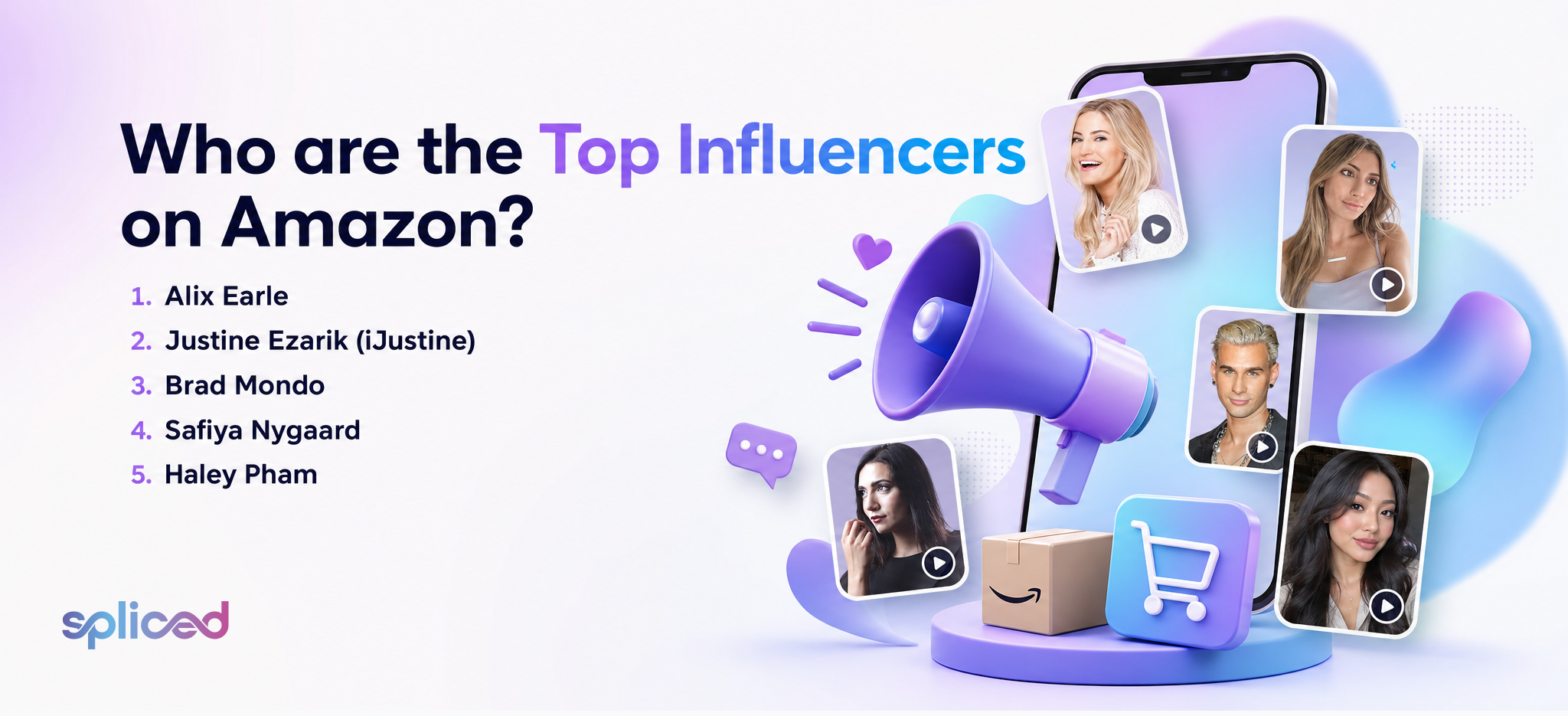
Who are the Top Influencers on Amazon?
The top influencers on Amazon in 2026 include creators across beauty, tech, lifestyle, and personal development who actively promote curated product collections through their storefronts.
- Alix Earle: Alix Earle, a lifestyle and beauty influencer with over 2.8 million Instagram followers, maintains an active Amazon Storefront featuring skincare, makeup, and wellness products aligned with her audience’s interests. Her storefront reflects trending products and personal recommendations that drive consistent engagement and sales through her curated collections.
- Justine Ezarik (iJustine): Justine Ezarik maintains a YouTube presence with over 3.2 million subscribers focused on technology reviews and unboxings. Her Amazon Storefront showcases tech gadgets, camera equipment, and accessories that complement her content, establishing credibility through product curation aligned with her creator identity.
- Brad Mondo: Brad Mondo, a professional hairstylist with 5.1 million YouTube subscribers, curates an Amazon Storefront featuring professional-grade hair care tools and products. His storefront authority comes from consistent product testing and educational content about hair care that resonates with his audience demographic.
- Safiya Nygaard: Safiya Nygaard maintains a YouTube channel with 9.5 million subscribers built on experimental beauty and lifestyle content. Her Amazon Storefront reflects her unique discovery approach, featuring unusual finds and tested products that appeal to her audience seeking authentic recommendations.
- Haley Pham: Haley Pham, a lifestyle and fashion influencer with over 3.1 million TikTok followers, leverages her storefront to feature fashion, home, and wellness products. Her cross-platform presence drives traffic from TikTok to Amazon, demonstrating the multi-channel potential of active storefronts in 2026.
How many followers do you need for Amazon influencer Storefront?
Amazon does not publish a specific minimum follower count for Amazon Influencer Program eligibility or storefront creation. Approval evaluation emphasizes engagement quality, content relevance, and audience authenticity over follower quantity. Factors Amazon considers include engagement rates measured through comments and shares, niche alignment with product recommendations, content consistency, and the primary platform where the creator maintains their audience. Creators with 10,000 highly engaged followers may qualify, while those with significantly larger but less engaged audiences may not. Amazon reviews each application individually, meaning storefront access varies based on creator profile specifics and current program standards. Influencers seeking approval are advised to consult Amazon’s official Influencer Program guidelines for current evaluation criteria.
Do you need over 500 followers to create an Amazon Storefront as Influencer?
No specific follower threshold is required. Amazon’s 2026 approval criteria prioritize engagement depth and content quality over follower count thresholds. Creators with 500 followers but high engagement rates and product-focused content may be approved, while those with 100,000 followers but low engagement may not qualify. The evaluation process examines audience interaction patterns, content relevance to Amazon’s marketplace, and creator brand alignment with product recommendations. Amazon’s flexibility in approval standards means emerging influencers in niche categories can qualify if their audiences demonstrate strong purchase intent and authentic engagement. Consult Amazon’s current program guidelines for the most precise evaluation standards in your content category.
How much does the average Amazon Storefront make?
Amazon does not publish average earnings for storefront creators. Influencer income from storefronts varies significantly by niche, audience size, engagement quality, and product category commission rates, which range from 1 percent to 20 percent depending on the product type. Fashion and beauty typically offer 1 to 5 percent commissions, while electronics and home goods offer 2 to 8 percent. Earnings potential correlates directly with storefront traffic, which depends on the creator’s social media promotion strategy and audience cross-platform presence.
Storefronts generating revenue require consistent product curation, regular content updates, and active promotion across the creator’s primary social media channels. Influencers earning measurable income typically update storefronts weekly and promote storefront links in platform-appropriate formats. TikTok influencers driving traffic to storefronts report higher conversion rates in 2026, reflecting the platform’s shopping-focused algorithm changes. Amazon’s analytical dashboard tracks storefront clicks, conversion rates, and order totals, enabling creators to optimize product selections based on audience behavior.
To understand realistic earning potential, influencers should model earnings based on their historical conversion rates and current audience size. A creator with 100,000 engaged followers driving 2 percent of followers to the storefront monthly and achieving 5 percent conversion to purchase could earn between USD 500 and USD 5,000 monthly, depending on product categories promoted. Third-party research and creator testimonials offer market context, though individual results depend on content strategy, audience trust, and product-market fit within the niche.
How can Spliced Help Influencers Drive Traffic to their Platform?
Spliced tracks which creator recommendations and storefront products drive measurable Amazon sales and cross-platform traffic. The platform connects TikTok, Instagram, and YouTube content performance to Amazon storefront conversions, helping creators understand which content types and product categories convert best for their audience. Spliced identifies high-performing product categories within creator niches, revealing commission optimization opportunities and audience demand signals. Creators use Spliced’s attribution data to refine content strategy, focus on products with higher conversion velocity, and negotiate better commission rates with brands based on documented sales impact. Spliced’s collaboration tools connect creators with brands seeking storefront promotion, matching influencers with products aligned to their audience demographics and purchase history. The platform measures traffic attribution from creator links, video mentions, and storefront traffic sources, enabling creators to quantify their content’s business value for partnership negotiations. For Amazon sellers using creator partnerships, Spliced measures the TikTok halo effect—demand generation on TikTok that converts later through Amazon search and storefront visits. Creators and brands using Spliced gain data-driven insights that improve storefront performance and content ROI in 2026’s competitive influencer marketplace.