
Influencer marketing campaigns have evolved into performance-driven strategies that connect brands with engaged audiences, establish credibility, and generate measurable sales through authentic creator partnerships. Influencer marketing involves collaborations between brands and creators who have built trust and engagement within specific audience segments through content production, social authority, and demonstrated expertise. In 2026, influencer marketing prioritizes performance metrics, creator authenticity, and multi-channel content distribution over vanity metrics and isolated sponsored posts.
Influencer marketing campaigns integrate brand messages naturally into creator content through relatability and genuine storytelling. Brands access the established trust that influencers have developed with their audiences, leveraging those relationships to increase visibility, generate engagement, and produce measurable revenue outcomes. Creator partnerships function as a core trust channel because audiences increasingly value recommendations from individuals they follow and trust instead of polished brand advertising.
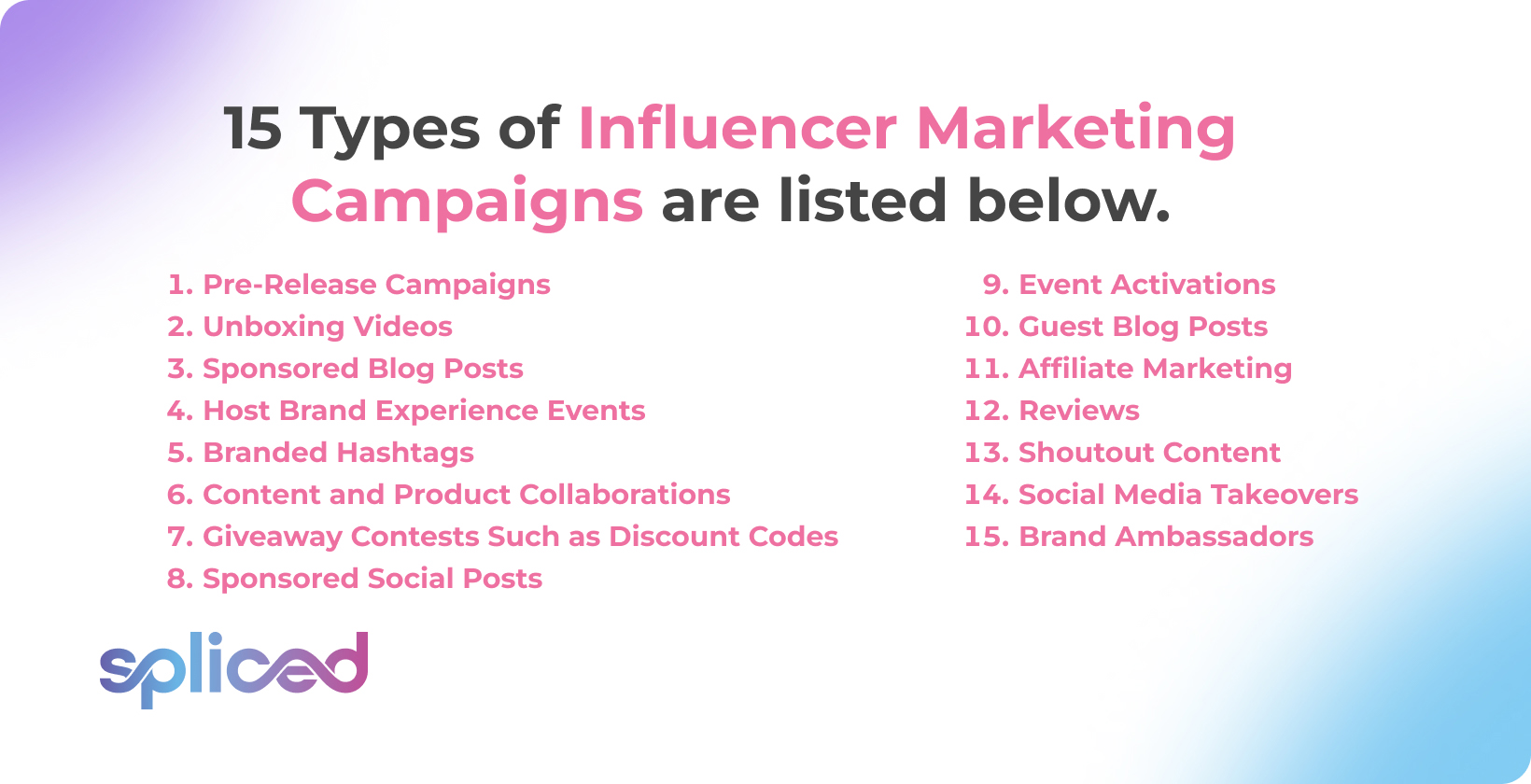
The 15 types of influencer marketing campaigns dominating the landscape in 2026 span pre-release partnerships through ambassador programs, each emphasizing ROI measurement, micro-influencer selection, and content repurposing for paid and owned channels.
- Pre-Release Campaigns: Micro-influencers coordinate synchronized sneak peeks and exclusive early access before product launches, building FOMO through distributed credibility across multiple trusted voices within niche communities.
- Unboxing Videos: Influencers film product unboxings that brands repurpose into 15 to 30 second paid ad clips, lowering cost per view while preserving authentic first-reaction narration and genuine reactions.
- Sponsored Blog Posts: Influencer-written long-form content on brand blogs or owned channels delivers detailed product information, SEO authority, and authentic endorsement within narrative storytelling sequences.
- Host Brand Experience Events: Brands create in-person activations and offline gatherings where creators participate directly, generating emotional connections and user-generated content from attendee participation.
- Branded Hashtags: Creators use campaign-specific hashtags to aggregate user-generated content and community participation, allowing brands to measure reach, engagement, and content discoverability across platforms.
- Content and Product Collaborations: Creators co-produce content or co-design products with brands, generating authentic endorsements reflecting shared values and resonating with creator audiences through genuine partnership.
- Giveaway Contests and Discount Codes: Influencers host contests with trackable discount codes, allowing brands to measure conversion attribution and customer acquisition cost directly from influencer-driven entries.
- Sponsored Social Posts: Performance-focused sponsored content embeds brand messaging into creator feeds as part of sustained ambassador relationships, with repurposing into paid ads and email campaigns to amplify ROI.
- Event Activations: In-person or hybrid events where influencers engage audiences directly in brand experiences, shifting engagement from algorithmic feeds toward offline interactions and immediate sales opportunities.
- Guest Blog Posts and Email Newsletter Features: Influencers contribute to brand blogs, Substack newsletters, and owned email channels, reaching subscribers through direct communication that bypasses algorithmic crowding.
- Affiliate Marketing: Influencers promote products using trackable affiliate links with transparent commission structures, enabling brands to measure exact sales attribution and ROI from creator recommendations.
- Reviews and Transparent Endorsements: Influencers provide detailed product evaluations with FTC-compliant disclosure and performance data, building audience trust through candid assessment instead of promotional language.
- Shoutout Content: Concise, attention-capturing creator recommendations on social platforms reach micro-moments and generate immediate engagement from targeted follower communities.
- Social Media Takeovers: Influencers temporarily manage brand accounts as part of sustained partnership arcs, producing fresh content and boosting engagement while maintaining narrative flow with ongoing ambassador work.
- Brand Ambassadors: Micro-influencers commit to multi-month or annual partnerships with consistent monthly content output, performance-based selection, and measurable sales tracking through affiliate links or discount code attribution.
1. Pre-Release Campaigns
Pre-release campaigns are strategic marketing initiatives executed before product launch to build awareness, test market demand, and create FOMO through synchronized social proof from multiple creators. These campaigns involve micro-influencers sharing sneak peeks, insider access, and product previews across their platforms simultaneously, signaling cultural relevance and building anticipation among engaged audiences.
Pre-release campaigns use teaser content, exclusive early access, and interactive elements to attract early adopters and gather direct feedback before official launch. Brands execute these campaigns through social media posts, email previews, webinars, and dedicated landing pages designed to convert interest into waitlist signups and pre-orders.
Brands coordinate timing across 10 to 20 micro-influencers in their specific niche to create distributed social proof. When multiple trusted voices discuss the same product within a specific audience segment simultaneously, followers perceive the product as culturally significant and experience urgency to learn more. This coordinated approach builds credibility faster than a single brand announcement and reduces the risk of any individual creator driving awareness alone.
Pre-release campaigns deliver measurable business benefits. They generate early sales data and inventory planning insights before full market launch. Brands collect direct feedback from engaged audiences, allowing product refinement based on real customer input. Early-adopter communities become advocates who amplify launch-day messaging through their own networks, extending organic reach without additional paid spend.
Pre-release campaigns also reduce launch-day marketing pressure. By distributing messaging across multiple creators over weeks, brands avoid concentrated ad spend and instead build organic momentum. This phased approach is especially effective for software products, consumer electronics, and subscription services where early adoption drives long-term retention and network effects. Performance tracking through discount codes and affiliate links shows which pre-release creators drive actual pre-orders and early sales.
Pre-release campaigns carry execution risks. Early feature exposure creates competitive response opportunities. If final product performance falls short of pre-release promises, audience disappointment damages creator credibility and brand trust. Timing coordination across creators requires careful project management to maintain message consistency and avoid premature information leaks that could undermine competitive advantage.
2. Unboxing Videos
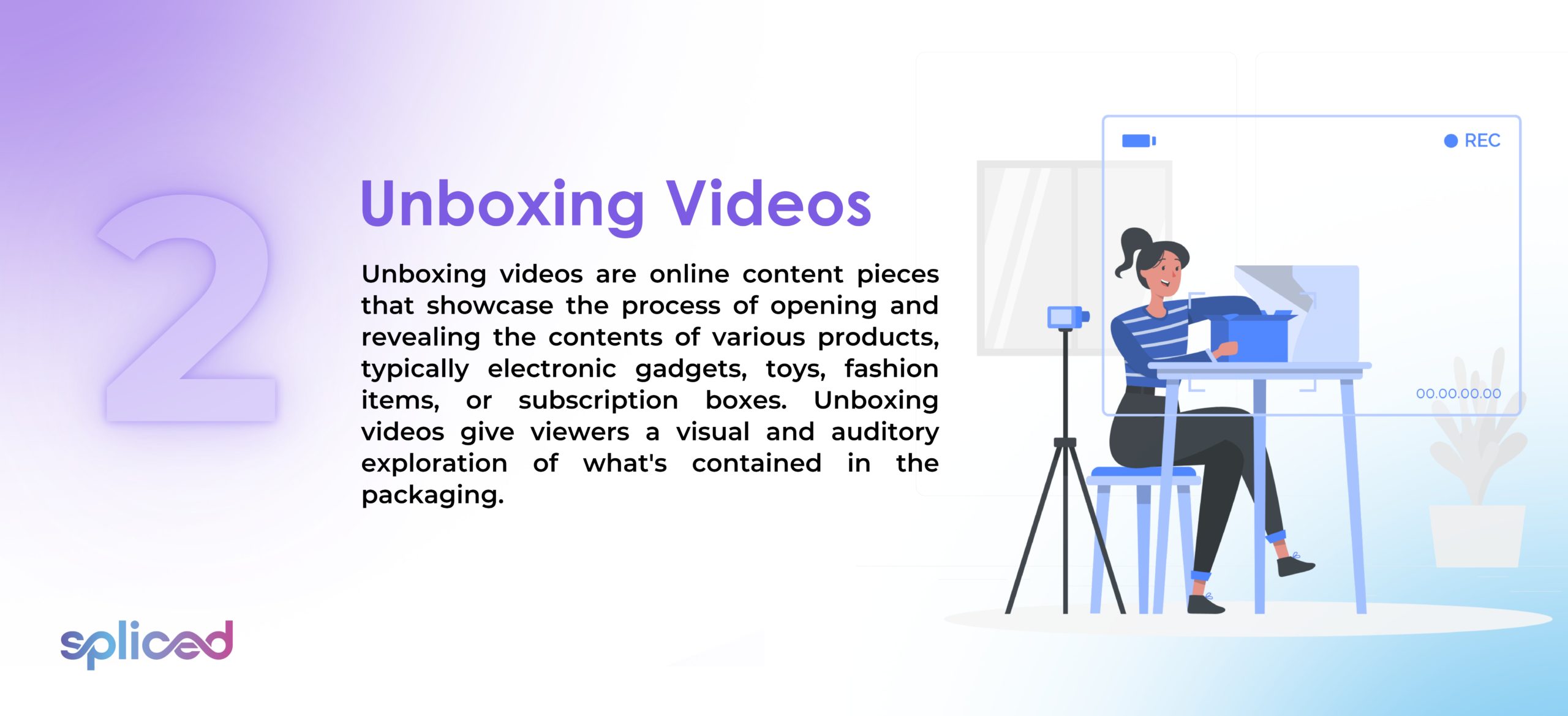
Unboxing videos are online content pieces that showcase the process of opening and revealing product contents in authentic, real-time format. Creators film themselves unpacking electronic gadgets, toys, fashion items, or subscription boxes, providing viewers with visual and auditory exploration of packaging, design, and bundled accessories.
Unboxing videos typically include creator commentary and narration while opening products. Creators discuss features, specifications, and first impressions as they reveal contents systematically. The presentation ranges from informal and conversational to professionally produced, depending on creator style and audience preferences. Authentic reactions drive higher engagement than polished, scripted unboxing content.
Viewers gain detailed perspective on product packaging, design quality, included accessories, and overall presentation before purchase decisions. Creators highlight product features and requirements while sharing genuine reactions and observations about what they discover in the box. This firsthand perspective reduces purchase anxiety and builds confidence in product quality.
In 2026, unboxing videos remain relevant as a campaign type, though their strategic use has shifted significantly. Brands now repurpose unboxing content into short-form paid ad clips ranging from 15 to 30 seconds for social media and email campaigns. This content reuse reduces production costs substantially and extends ROI by transforming a single unboxing video into multiple ad formats across paid channels, achieving 20 percent higher click-through rates when paired with email sequences.
Unboxing videos provide viewers with detailed product information before buying, offer practical perspective on features and packaging quality, and educate viewers while entertaining them simultaneously. The format creates anticipation and excitement around new products, introduces viewers to brands they may not have discovered otherwise, and fosters community among viewers with shared interests in product categories.
Unboxing videos capture only first impressions and do not necessarily reflect long-term product performance or durability. Some unboxing content is biased or undisclosed sponsored material, which results in misleading information for viewers. Excessive viewing of unboxing videos can promote impulsive purchases motivated by visual appeal rather than actual need or budget considerations.
Example: A technology reviewer posts an unboxing video of a flagship smartphone on YouTube. The creator demonstrates genuine excitement while opening the package, then systematically reveals the device, accessories, and packaging presentation. The creator shares observations about the device’s appearance, display quality, camera system, and other notable aspects. The video allows potential buyers to evaluate the unboxing experience and product quality before making purchase decisions. The brand licenses this video and repurposes it into three 15-second paid ad clips for Instagram, TikTok, and email campaigns, extending reach and reducing cost per view.
3. Sponsored Blog Posts
Sponsored blog posts are content pieces published on blogs or owned creator channels that brands compensate creators to produce. These posts integrate brand messages into natural-appearing editorial content that fits seamlessly with the blog’s usual publishing voice and audience expectations.
Sponsored blog posts combine writing expertise with product knowledge to deliver engaging information about brand offerings while serving the blog’s target audience. The core requirement is delivering credible, useful content that addresses reader needs while communicating the sponsor’s value proposition authentically.
Bloggers with relevant readership collaborate with brands to create content that incorporates sponsor messages into their usual publishing approach. Brands leverage the blogger’s popularity, authority, and audience trust to increase brand recognition and credibility. Bloggers receive monetary compensation or performance-based incentives tied to traffic, conversions, or affiliate sales, supporting their content production and income.
In 2026, sponsored blog posts remain effective but function best as components of longer narrative arcs and sustained ambassador partnerships rather than isolated placements. Brands use sponsored blog content to build multi-touchpoint storytelling campaigns that extend across social media, email, and paid channels, deepening audience engagement over consecutive months. Performance-based payment structures align creator compensation with measurable outcomes such as traffic or sales.
Sponsored blog posts effectively reach niche audiences with genuine, content-driven promotion and provide creators monetization opportunities while increasing reader engagement with valuable information. SEO benefits from backlinks and sustained topical authority further justify investment. Clear distinction between editorial and advertising content, including FTC disclosures, is essential to maintain blog credibility and reader trust.
Example: A travel blogger partners with a luggage company to create a post titled “Essential Packing Systems for Extended International Travel.” The blogger incorporates the luggage brand’s products as practical solutions for organized, efficient packing while delivering genuinely useful travel planning advice. The post demonstrates how sponsored content delivers authentic value to readers while naturally promoting the sponsor’s offerings. The blogger includes affiliate links and performance-based commission opportunities, aligning the creator’s income with readers who convert to customers.
4. Host Brand Experience Events
Brand experience events are immersive and interactive gatherings organized by companies to create memorable experiences and emotional connections. These events engage audiences directly through hands-on product interaction, live demonstrations, and physical environments where attendees experience brand values in offline settings.
Brand experience events emphasize experiential engagement through practical activities, live performances, and direct creator participation. Events combine entertainment, education, and storytelling to produce multi-sensory experiences that build lasting audience impressions. Attendees interact directly with products and brand representatives in spaces designed for discovery and engagement.
Companies select venues, design interactive displays, develop engaging content, and integrate products naturally into event activities. Participants experience brands firsthand, creating emotional bonds stronger than digital advertising. In-person interactions generate immediate feedback and build community among attendees with shared interests.
In 2026, in-person activations gained momentum as audiences actively seek experiences that disconnect from algorithmic feeds. Brands hosting IRL events with creator participation build authentic offline engagement. This trend positions brand experience events as central to 2026 strategies for brands prioritizing direct consumer connection and community building.
Brand experience events generate favorable brand associations, increase customer loyalty, and create lasting impressions. Direct engagement provides valuable consumer insights and feedback. Events generate social media discussion and word-of-mouth amplification as attendees share experiences online. Interactive activities maintain engagement throughout the event. Real-time feedback from participants informs product development and future campaign refinement.
Hosting brand experience events requires substantial investment in venue rental, production, staffing, and logistics. Large-scale event execution demands careful planning and coordination across multiple functions. Event reach is limited by physical capacity; only attendees present experience the activation directly, excluding broader audiences from immediate participation.
Example: A fitness apparel brand launched pop-up activations in five major cities where consumers tested new product lines in customized studio environments. Micro-influencers (50K-100K followers) led 30-minute product demonstrations and shared personal fitness routines using the brand’s gear. Attendees captured content and shared videos on social media, generating 2,400 user-generated assets repurposed into paid ads. The activation drove 18% immediate sales lift among attendees and extended reach to 8 million followers through social sharing, demonstrating how in-person events with creator participation generate both direct conversions and organic amplification.
5. Branded Hashtags
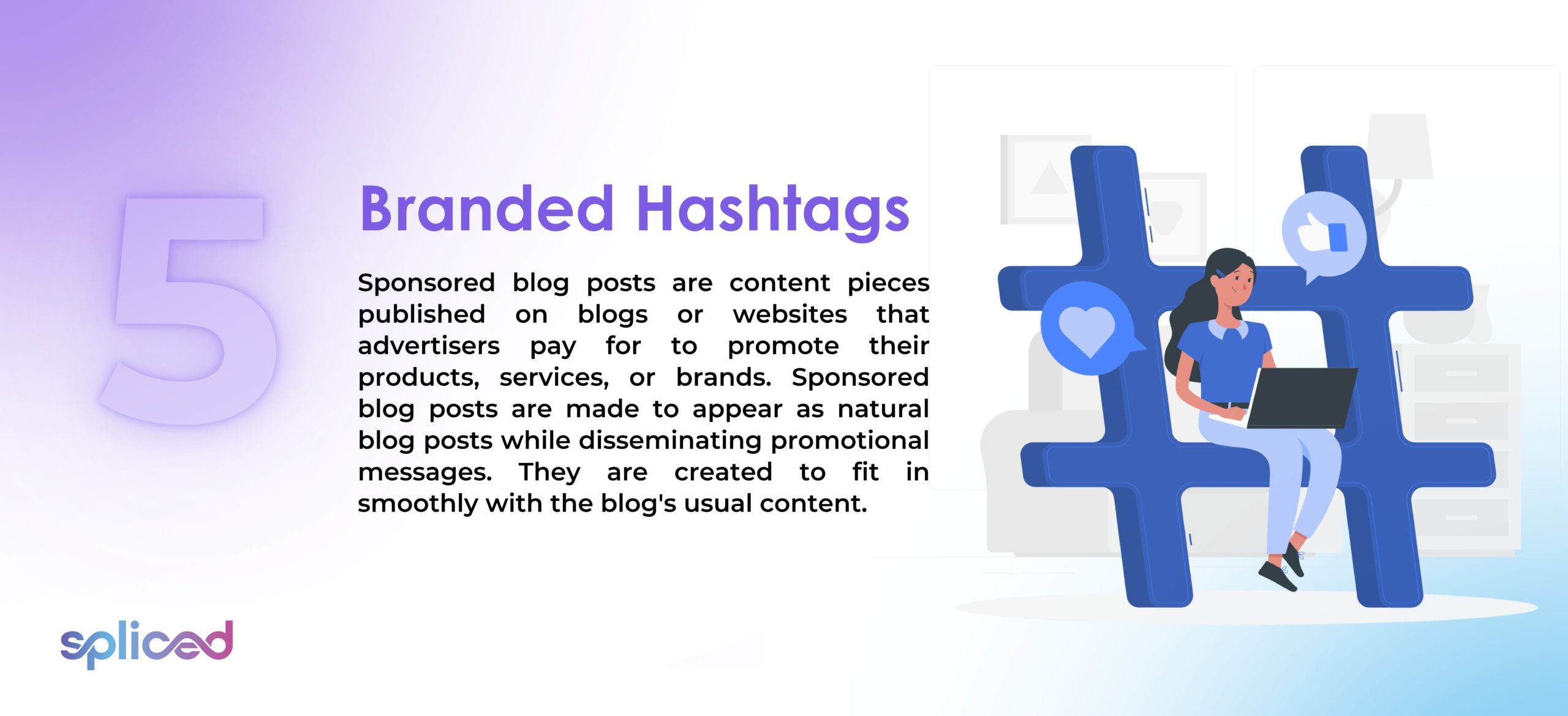
Branded hashtags are campaign-specific hashtags created to organize user-generated content, track campaign performance, and foster community participation. Branded hashtags function as content organization tools that enable audiences to discover, contribute to, and participate in brand-related conversations across social platforms.
Brands create branded hashtags linked to campaign themes, product names, or company taglines to develop distinctive online identities. Branded hashtags invite audiences to use the same hashtag when creating content, building a centralized collection of submissions tied to the campaign. This approach transforms individual posts into a coordinated community effort around brand messaging.
Branded hashtags organize content by grouping relevant posts under a single searchable term. Users find curated selections of brand-related content by searching or clicking the hashtag. This discovery mechanism accelerates content visibility and simplifies audience participation in campaigns. Hashtag consistency across posts ensures campaign messaging remains cohesive and discoverable throughout the campaign period.
When brands introduce branded hashtags in social posts and influencer content, audiences adopt the hashtag for their own submissions. User-generated content accumulates under the hashtag as participants contribute photos, videos, and testimonials. The growing hashtag collection amplifies brand reach organically. Community participation through hashtag use builds loyalty and creates a sense of belonging among participants.
Branded hashtags expand campaign reach, increase user-generated content volume, and improve brand visibility. Hashtags encourage audience participation and strengthen community bonds around shared brand experiences. Users discover brand-related content quickly through hashtag searches, enabling self-directed exploration of campaign materials.
Branded hashtags provide measurable performance data through engagement tracking. Brands monitor reach, impressions, sentiment, and participation volume using hashtag analytics. Successful branded hashtags generate viral momentum and organic buzz, amplifying campaign reach beyond paid promotion. In 2026, hashtag performance data directly supports ROI attribution and content repurposing decisions.
Branded hashtag effectiveness depends on audience adoption and engagement. If audiences reject or ignore the hashtag, campaign impact remains limited. Managing branded hashtags requires continuous monitoring to address off-topic or defamatory content that may damage brand perception. Hashtag fatigue can occur if the same hashtag runs too long without evolving messaging.
Coca-Cola’s #ShareACoke campaign illustrates branded hashtag impact in 2026. The company replaced bottle logos with consumer names and encouraged customers to purchase and photograph their personalized bottles using #ShareACoke. The campaign generated 25 million social posts and 300 million impressions within the first year. Tracking hashtag performance revealed audience sentiment, geographic reach patterns, and demographic engagement. The campaign data informed subsequent product variations and seasonal promotions. This approach demonstrates how branded hashtags generate quantifiable performance metrics, drive user-generated content volume, and support strategic decisions for future campaigns.
6. Content and Product Collaborations
Content and product collaborations are strategic partnerships where creators and brands co-create content and co-develop products that integrate promotional messaging with authentic storytelling. These collaborations leverage creator audiences and production expertise alongside brand resources to produce content that drives engagement and measurable sales outcomes.
Content and product collaborations balance creative authenticity with brand objectives through aligned audience targeting and shared messaging frameworks. Collaborations produce content across multiple formats including videos, tutorials, case studies, social posts, and product demonstrations. Creators integrate brand benefits naturally into their established content voice, maintaining audience trust while communicating product value.
Collaborations begin with alignment meetings where both parties establish shared objectives, content types, posting schedules, and repurposing rights. Creators develop authentic content showcasing product integration in real-world contexts. In 2026, successful collaborations produce 15 to 30 content assets that brands repurpose into paid ads, email sequences, and owned channels. This asset multiplication strategy extends ROI per creator partnership by 2 to 3 times compared to single-post sponsorships.
Content and product collaborations deliver authenticity and credibility. Creators provide genuine endorsements built on real product experience, earning audience trust in ways traditional advertising cannot match. Creators reach new audiences while earning performance-based compensation aligned with conversion outcomes. Audiences discover products through storytelling they already follow, making recommendations feel organic rather than intrusive.
Collaborations expand reach for both parties through cross-platform promotion and repurposing. Creator audiences discover brands through trusted voices. Brand audiences encounter creators through sponsored placements, building mutual follower growth. Performance-based commission structures in 2026 align incentives so creators directly benefit from sales conversions they generate. Measurable attribution data ensures both parties understand collaboration ROI and justify continued investment.
Collaborations require careful coordination to maintain brand identity consistency and creator authenticity. Messaging misalignment between brand positioning and creator voice risks diluting both. Incompatible target audiences between brand and creator limit campaign effectiveness. Forced or artificial product integration damages creator credibility and audience trust, resulting in lower engagement and conversion rates.
For example, a popular fitness influencer (120K followers, 8% engagement rate) collaborated with a sports nutrition company to produce a comprehensive training program video series. The influencer created 12 weekly workout videos featuring the nutrition brand’s protein supplements integrated into post-workout recovery routines. The influencer’s authentic enthusiasm for the product and genuine use results drove high engagement (12% average), higher than their typical 8%. The brand repurposed the videos into 36 short-form clips for paid social ads (15-30 seconds each), email sequences, and owned channels. Campaign attribution tracking showed $240,000 in attributed sales across 8 weeks, generating 8x return on the $30,000 total collaboration cost. The influencer earned $22,000 base payment plus $8,000 in performance commissions, incentivizing future content quality. The partnership demonstrates how co-created content with repurposing strategies generates measurable ROI while maintaining authentic creator voice.
For example, a popular fitness influencer collaborates with a sports nutrition firm to produce training videos featuring the company’s protein supplements. The influencer creates exercise plans that incorporate the advantages of the goods, showing how they improve performance and recuperation. The influencer’s captivating videos draw in their fitness-focused audience while exposing the nutrition brand to a new market. The influencer and the brand repurpose the videos into 15 to 30 second paid ad clips across Instagram, TikTok, and Pinterest, reducing cost per view while maintaining authentic product integration. The partnership benefits the influencer through performance-based commission tied to measurable sales lift, and the brand receives detailed attribution data showing which creator content drives conversions. The nutrition company’s visibility and reputation increase through both organic reach and paid amplification of the creator content, resulting in a documented 18 percent quarter-over-quarter sales increase during the collaboration period in 2026.
7. Giveaway Contests and Discount Codes
Giveaway contests using discount codes are promotional activities that encourage customer participation and trackable purchases. These campaigns offer participants the chance to win exclusive promotional codes redeemable for discounted pricing or special offers on products or services.
A giveaway contest with discount codes gives participants an opportunity to win promotional codes that unlock discounts or special offers during checkout. Discount codes carry varying discount percentages or exclusive benefits, distributed to winners selected randomly or by predetermined criteria. In 2026, brands link giveaway contests directly to affiliate tracking systems to measure conversion attribution.
Participants enter by following specified entry rules, such as liking social media posts, commenting, retweeting, signing up for newsletters, or making purchases. Winners receive special discount codes via direct message or email, creating urgency and exclusivity.
Businesses use giveaway contests to increase brand recognition, attract new customers, reward loyal supporters, and generate excitement around products or services. These campaigns drive customer engagement and boost sales within a concentrated timeframe through excitement and time-limited offers.
Giveaway contests expand social media reach and encourage interaction and loyalty. They generate immediate sales boosts and collect valuable data about participant preferences and behavior for future marketing plans. The campaigns create anticipation and exclusivity that strengthen customer bonds with brands.
A key advantage is cost effectiveness relative to traditional advertising; contests broaden customer bases and generate revenue with minimal upfront expense. However, giveaway contests often attract discount-seeking participants without building lasting brand relationships. Managing contest logistics, ensuring fair winner selection, and providing clear FTC disclosure require careful oversight.
For example, an online fashion retailer launches a giveaway offering custom discount vouchers through creator posts. Entry requires liking the post, following the page, and tagging two friends. Eight winners selected randomly receive special discount codes via direct message, granting a free accessory plus 40% off subsequent purchases. The giveaway significantly increases engagement, attracts 5,000 new followers, and drives sales of the retailer’s latest merchandise line to audiences referred by micro-influencers.
8. Sponsored Social Posts
Sponsored social posts are paid promotional content appearing on social media platforms where brands pay creators or platforms to distribute marketing messages. These posts blend into users’ regular feeds to feel organic rather than intrusive. Brands use sponsored posts to increase visibility and reach targeted audiences effectively.
Sponsored posts appear as organic content within users’ social media feeds, designed to communicate key information about products, services, events, or campaigns. They integrate seamlessly with regular updates from followed accounts to maximize engagement and recall.
Businesses work with social media platforms or creators to develop sponsored content targeting users matching specific demographics and interests. Posts may include text, photos, or videos displayed alongside regular friend updates and followed-account content.
Sponsored posts raise brand awareness, drive engagement, and increase sales. They leverage platform user data for precise audience targeting, boosting campaign impact and conversion likelihood.
Strategic feed placement increases visibility and engagement probability. Precise demographic targeting ensures content reaches audiences most likely to find it relevant. High-quality material prompts likes, comments, and shares, driving natural interaction and brand exposure. Platform analytics provide performance data for real-time optimization and refinement.
In 2026, sponsored posts function best as components of longer ambassador partnerships rather than standalone placements. Brands increasingly repurpose influencer content into paid social ads; 71% of marketers now use influencer-created content in paid campaigns to reduce cost per view and extend ROI. Challenges include consumer skepticism about authenticity, ad fatigue from excessive sponsored content, inconsistent performance results across platforms, and variable integration quality affecting user experience.
A fitness brand launching a new athletic clothing collection partners with 12 micro-influencers to create sponsored posts featuring athletes demonstrating performance benefits. Posts integrate smoothly into feeds targeting fitness enthusiasts aged 18 to 40. Content highlights technical features including moisture-wicking fabric and ergonomic design. The brand connects trackable URLs and unique discount codes to measure conversions and attribute sales directly to each influencer’s campaign performance.
9. Event Activations and In-Person Experiences
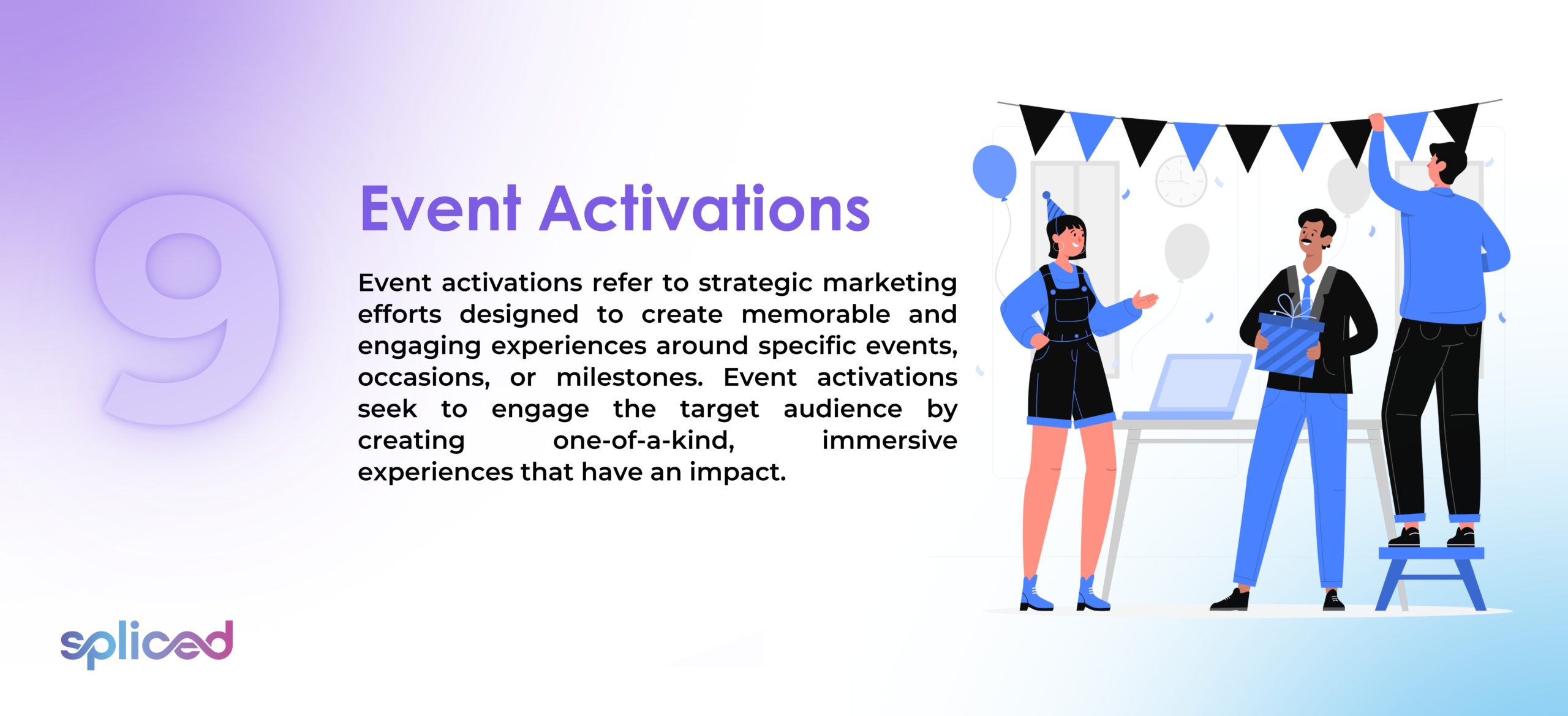
Event activations are strategic marketing efforts creating memorable and engaging experiences around specific events, occasions, or milestones. These campaigns move engagement away from algorithmic feeds toward direct, offline interactions between brands and audiences.
Event activations involve creating immersive, interactive experiences tied to specific events such as product launches, festivals, trade shows, or corporate gatherings. Activities emphasize hands-on participation and emotional connection rather than passive advertising or broadcast messaging.
Successful activations combine experiential marketing with sensory stimuli to forge strong emotional bonds between consumers and brands. They frequently include interactive displays, technology-driven experiences, live performances, and workshops that reflect brand identity and event themes.
Event activations generate benefits including improved customer engagement, elevated brand visibility, memorable experiences, and direct consumer interactions. These experiences build loyalty and trust while differentiating brands from competitors through shareable, distinctive moments that participants amplify through social sharing.
In-person activations accelerated throughout 2026 as audiences actively sought to unplug from algorithmic feeds and engage with brands in physical spaces. Brands host IRL events with creator participation to build authentic connections. Event activations provide real-world product presentation opportunities, gather real-time feedback for immediate campaign refinement, and boost social media engagement as participants generate user-created content from their experiences.
Event activations require substantial investment in creativity, time, and resources. Successful execution demands careful planning; outcomes remain unpredictable and activation impact may not materialize as intended. Poorly executed activations risk appearing manufactured or inauthentic, damaging brand perception and creator credibility.
For example, during the 2026 LA Marathon, an athletic shoe brand launching running shoes creates a “Tech-Run Challenge” activation at the marathon expo where participants test shoe comfort using virtual reality simulations. Winners of the fastest VR marathon time receive new shoes and discount codes for future purchases. The activation drives expo foot traffic, generates social media buzz as participants share VR experiences, demonstrates innovation in runner experience, and ultimately increases shoe sales. Creator partners amplify the activation through their networks, extending reach beyond physical attendees.
10. Guest Blog Posts and Email Partnerships
Guest blog posts are written content contributed by individuals who are not regular contributors to a specific blog or website. Guest blog posts provide new perspectives and insights to the platform’s audience, focusing on themes related to the blog’s niche or subject matter. In 2026, guest posts extend beyond traditional blogs to include email newsletters and Substack partnerships, where creators reach subscribers directly without algorithmic interference or platform dependency.
Guest blog posts allow experts, professionals, or hobbyists to share their expertise, experiences, and perspectives with larger audiences. Guest contributions provide opportunities to highlight diverse viewpoints and maintain a blog’s content flow dynamically, ultimately enhancing overall content quality. Email-based guest contributions bypass platform algorithm changes and build direct subscriber relationships independent of social media platforms.
Blog owners and newsletter operators welcome guest authors to submit work, including guidelines, preferred topics, and submission conditions. A guest post receives editorial review and editing once submitted. The post publishes after approval, with the guest author receiving proper credit and byline. Both the blog and the guest author benefit from the collaboration since it broadens readership and provides greater exposure to new audiences.
Bloggers and experts work together and network within niche communities using guest blog articles to cross-promote and share audiences. Experts boost a blog’s credibility and authority by showcasing varied opinions and connecting with industry leaders. Guest posts enhance traffic to the hosting blog and the guest author’s website, improving brand visibility and search engine rankings. Email newsletter partnerships similarly drive direct-to-consumer communication and build subscriber loyalty without reliance on social platform distribution or algorithm changes.
Guest blog posts offer varied opinions and broader subject coverage. Collaboration develops ties with guest authors, which improves networking and industry contacts. High-quality guest posts boost traffic and aid SEO by creating backlinks. Guest blog posts help maintain a steady posting schedule and content balance. Email and Substack partnerships became easier to execute in 2026 as creators prioritize direct subscriber relationships independent of algorithm changes and platform policy shifts.
Maintaining content quality while managing variations is difficult when using guest blog posts. Relevance is essential since content must fit the blog’s topic and engage the existing readership. Reviewing and coordinating guest posts requires time, and there is risk that contributions are irrelevant or promotional. Balancing guest posts with in-house content necessitates careful planning to maintain blog coherence. Email partnerships require clear disclosure and subscriber value alignment to maintain trust and engagement.
For example, a renowned fashion designer contributes a guest post to a fashion-focused site, outlining the newest trends for the coming season. The blog’s fashion-conscious audience appreciates the post’s insights into color schemes, fabric selections, and style inspirations sourced from the designer’s direct experience. The same designer also contributes a monthly Substack newsletter to the brand’s subscriber list, sharing behind-the-scenes design process details and trend forecasts exclusive to email subscribers. The guest post enhances the blog’s content authority and encourages participation within the fashion industry. The email partnership builds direct subscriber relationships and repeat engagement independent of social platform changes, creating measurable subscriber growth and higher open rates for brand communications.
11. Affiliate Marketing
Affiliate marketing is a performance-based marketing strategy where businesses partner with creators, influencers, and content producers to promote products or services. Affiliates earn commissions for each sale, click, or lead generated through their marketing efforts. This model enables influencers to monetize their platforms by recommending products through trackable links, creating measurable partnerships that allow brands to reach new audiences and pay only for verified results.
Affiliates enroll in brand affiliate programs and receive unique tracking links or discount codes to embed in their content across blogs, websites, social media posts, and videos. When followers use these links or codes to make purchases, the affiliate receives a commission determined by the program’s terms. In 2026, affiliate marketing has matured into a core ROI tracking channel for influencer programs, with transparent commission structures, real-time attribution data, and performance-based contract terms that align creator incentives with measurable sales outcomes.
Both brands and affiliates benefit significantly from this partnership model. Brands expand reach without upfront advertising costs, paying commissions only after successful transactions occur. Affiliates monetize their content and audiences without developing their own products, selecting brands and services that align authentically with their niche. Trackable URLs and performance dashboards enable both parties to measure impact, optimize creator selection, and allocate budgets to top-performing partnerships.
Affiliate marketing delivers cost efficiency because payment directly ties to measurable results. Scalability allows affiliates to promote multiple products across different audiences. The model offers low barriers to entry while amplifying brand exposure through diverse creator networks. Affiliates build passive income streams from sustained partnerships and repeat commissions. In 2026, transparent commission disclosure and real-time attribution distinguish mature affiliate programs from earlier approaches, enabling brands to confidently invest in creator partnerships backed by clear ROI data.
Challenges exist in affiliate marketing execution. Market saturation in some niches increases competition among affiliates. Brands depending heavily on affiliates face vulnerability if top performers leave or reduce capacity. Quality control becomes difficult as affiliate networks scale. Fraud prevention requires ongoing vigilance to protect brand reputation and maintain trust between all parties.
A beauty influencer on YouTube demonstrates this model in action. The creator enrolls in a skincare brand’s affiliate program and receives trackable links plus unique discount codes. In product review videos, the influencer inserts affiliate links in the video description with the personalized code. When viewers click the links and purchase, the influencer earns a commission. The skincare brand gains audience visibility through the influencer’s recommendation, while the influencer receives measurable compensation directly tied to sales generated. This structure creates accountability, aligns financial incentives, and produces clear attribution data showing which creator activity drives revenue.
12. Reviews and Transparent Endorsements
Product reviews are detailed evaluations of goods, services, or experiences shared by individuals with firsthand experience. Reviews communicate personal viewpoints, observations, and performance assessments intended to help prospective buyers make informed purchasing decisions. In 2026, authentic reviews carry significantly more weight when they include specific performance data, balanced perspectives, and transparent FTC disclosures about sponsored relationships.
Reviews are written or spoken assessments providing opinions and insights about products or services, typically grounded in direct personal experience. Effective reviews emphasize quality, performance, features, functionality, and real-world user experience. Reviews give consumers detailed expectations about what they will receive and help them evaluate whether products solve their specific problems. Unpolished, authentic reviews now consistently outperform highly produced testimonials in building consumer trust and influencing purchase intent.
Creators share reviews across multiple channels including dedicated review websites, social media platforms, YouTube videos, blogs, and community forums. Users communicate their likes, dislikes, and satisfaction through written descriptions and ratings. Clear disclosure of sponsored relationships is now required by FTC guidelines and expected by 2026 audiences. Authentic reviews with balanced assessment (acknowledging both strengths and limitations) build creator credibility more effectively than uniformly positive content.
Consumers actively seek truthful, detailed information before purchasing decisions, making reviews a critical information source. Reviews help buyers evaluate product suitability, avoid disappointments, and discover alternative options. Specific, honest reviews that address common questions carry more purchase influence than generic praise or unsubstantiated claims. In 2026, review authenticity directly correlates with conversion rates and brand perception.
Reviews promote marketplace transparency by enabling informed decision-making and helping consumers evaluate alternatives. Positive reviews paired with constructive feedback build organizational reputation and customer confidence. Balanced perspectives that acknowledge trade-offs perform better than uniformly enthusiastic content. Detailed reviews increase average order value because readers feel greater confidence in purchase decisions backed by peer assessment.
Review content carries inherent risks. Reviews reflect subjective individual perspectives and occasional biases or false claims. Negative reviews impact brand reputation regardless of accuracy. Managing and responding to large review volumes demands time and resources. Influencers must navigate FTC compliance, transparent disclosure requirements, and audience expectations for honesty, adding complexity to review campaign execution in 2026.
Consider a smartphone purchase scenario where a prospective buyer reviews online evaluations from verified purchasers. These reviews address battery performance, display quality, software responsiveness, and camera capabilities. The reader evaluates whether the device matches their priorities. In 2026, authentic unboxing content and usage reviews from real creators exert greater influence on purchase decisions than celebrity endorsements or paid testimonials. Performance-based affiliate reviews that include measurable data drive higher conversion rates than image-focused praise.
13. Shoutout Campaigns
Shoutout campaigns are brief, attention-grabbing content pieces where influencers deliver direct brand recommendations using bold typography, contrasting visuals, and compelling language. Shoutouts function as rapid-fire endorsements designed to capture attention during micro-scrolling moments when audiences rapidly move through crowded social feeds.
Shoutout content prioritizes clarity and speed over detailed product information. The format condenses messaging into memorable phrases paired with visually distinct design that separates recommendations from surrounding content. Shoutouts work best for single-idea promotions where the influencer communicates one core value proposition through bold visual hierarchy.
Shoutouts excel at generating immediate awareness and driving rapid audience action. Bold fonts, contrasting color schemes, and clear typography ensure key information remains visible regardless of scrolling pace. The format prioritizes visual impact and message retention over nuanced storytelling or detailed product context.
Design principles determine shoutout effectiveness. Eye-catching layouts with strategic font sizing and color contrast draw viewer attention directly to the recommendation. Visual separation from organic posts signals promotional intent while maintaining aesthetic appeal. Successful shoutouts communicate the complete message within 2-3 seconds of viewer exposure.
Shoutout campaigns improve communication effectiveness by ensuring critical information reaches audiences despite rapid feed browsing. The format drives immediate action including purchases, link clicks, discount code usage, and account follows. Time-sensitive offers and limited availability messaging amplify urgency and response rates.
Shoutout campaigns capture attention through distinctive visual design. Bold typography and vibrant color combinations enhance readability in dense social environments. The concise format enables instant message comprehension without cognitive strain or extended engagement time. Direct calls to action produce measurable response rates within hours of posting.
Shoutout effectiveness diminishes through repetitive use as audiences develop resistance to constant visual urgency signals. Design quality significantly impacts results; poor typography choices and unbalanced color contrast create confusion rather than clarity. Shoutouts work best for single-attribute products or time-limited offers. Complex narratives, nuanced brand stories, or detailed product specifications require longer-form content. Forcing complexity into shoutout format reduces both message clarity and conversion rates.
A fitness influencer demonstrates shoutout execution by posting a supplement brand promotion with large text reading “ENERGY BOOST: 30% OFF THIS WEEK” displayed on high-contrast background colors. Brief endorsement text below the headline conveys the influencer’s personal recommendation without lengthy product review. The visual treatment and time-sensitive offer drive followers to click discount code links within hours, generating urgency that sustained sponsored posts fail to achieve. This format proved effective in 2026 campaigns where immediate response and conversion mattered more than detailed storytelling.
14. Social Media Takeovers
Social media takeovers involve an influencer or guest creator temporarily managing a brand’s social accounts to deliver authentic content from a fresh perspective. The guest creator gains direct account access and produces posts that reflect their voice while reinforcing brand positioning. Takeovers typically span one day to one week, including multiple posts, Stories, or live streams depending on platform and partnership terms.
Takeovers differ from ongoing ambassador relationships through their time-bound nature and direct account management by the creator. The hosting brand grants temporary posting permissions and establishes content guidelines before access begins. The guest creator develops content aligned with their authentic voice and audience expectations while meeting brand safety requirements and messaging alignment.
In 2026, takeovers function effectively as components of longer ambassador partnerships rather than standalone placements. A dermatologist might take over a skincare brand’s account for 48 hours during a product launch, then continue as a monthly ambassador producing sustained content. This stacked approach builds novelty through takeover freshness while maintaining consistent brand presence through ongoing partnerships.
Takeovers inject diverse perspectives into established brand feeds and attract audiences from the creator’s follower base discovering the brand account for the first time. This cross-promotion benefits both parties through mutual exposure. Behind-the-scenes access and creator personality build transparency and community connection that followers actively seek.
Measurable benefits from takeovers include follower growth, expanded reach beyond existing audiences, authentic audience cross-promotion, content perspective diversification, and demonstrable engagement spikes during the takeover window. Tracking engagement metrics during and after the takeover reveals conversion impact and audience quality.
Risks include content misalignment with brand positioning, temporary loss of account control, and potential off-brand messaging if creator vetting is insufficient. Brands must establish clear content guidelines, approval processes, and brand safety parameters before granting account access. Performance-based compensation for takeovers aligns creator incentives with engagement and conversion outcomes.
A skincare brand invited a dermatologist influencer to manage its Instagram account for 48 hours during a new serum launch. The dermatologist produced educational content about ingredient benefits, product demonstrations, and clinical evidence while sharing personal product use experiences. The takeover exposed the dermatologist’s 500,000 followers to the brand while providing the brand’s existing audience with credibility through clinical expertise. The 48-hour takeover generated 3.2x normal engagement rates and attracted 18,000 new followers who maintained engagement with the brand’s account after the takeover ended.
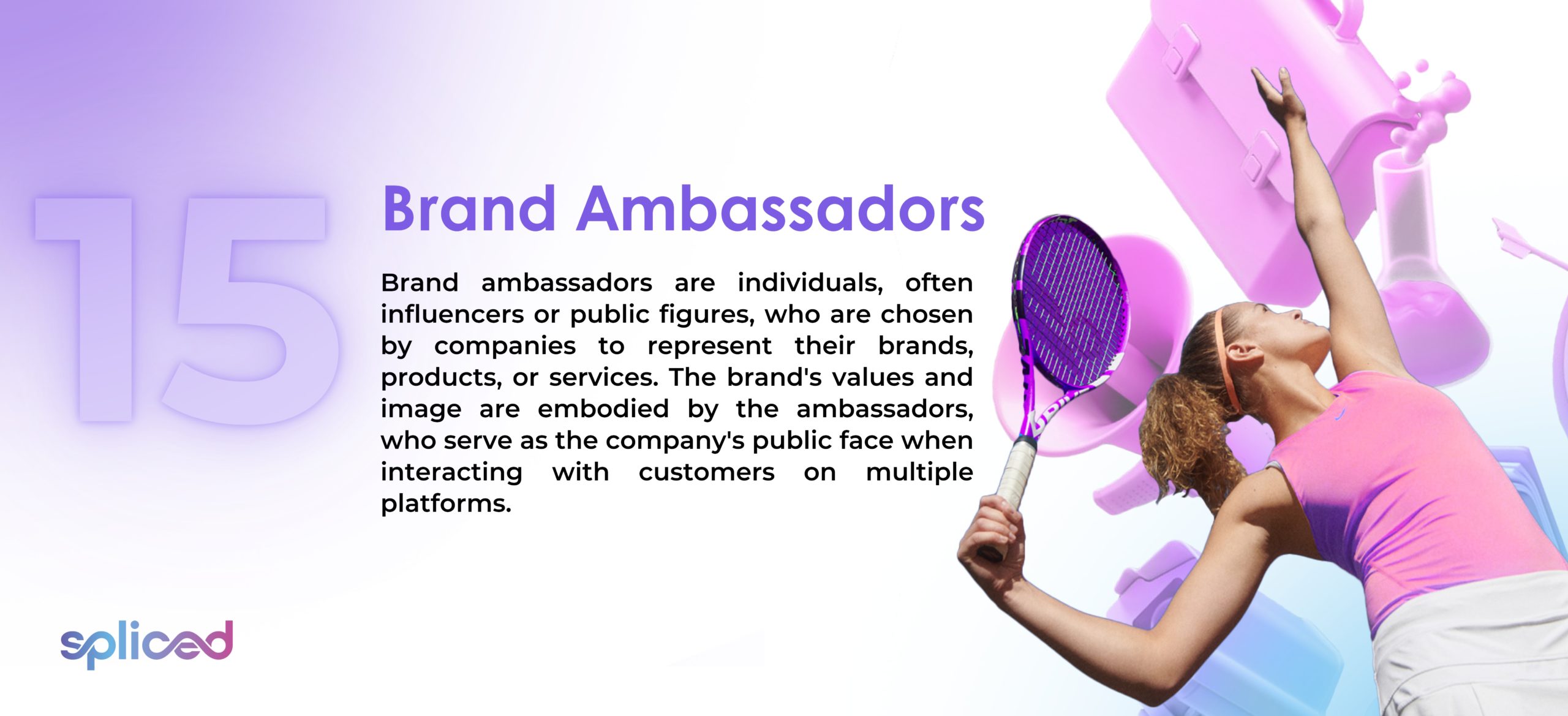
15. Brand Ambassadors
Brand ambassadors are creators selected by companies for sustained multi-month or annual partnerships that position them as authentic brand representatives across all owned channels. Ambassadors produce monthly content showcasing products while embodying brand values, creating repeated exposure and deeper audience relationships that single-post sponsorships cannot achieve. Ambassador relationships in 2026 emphasize performance-based compensation tied to measurable sales outcomes rather than upfront talent fees.
Successful brand ambassadors demonstrate credibility within their niche, genuine audience engagement, and authentic alignment with brand positioning. Ambassadors use personal platforms to promote brands authentically, building trust through sustained storytelling and real product integration rather than transactional endorsements. Ambassador selection prioritizes engagement metrics and audience quality over follower counts alone.
Companies select brand ambassadors based on audience demographic fit, historical performance metrics, and genuine product alignment. Ambassadors produce monthly content through social media posts, videos, blog features, or event appearances. In 2026, measurable sales lift appears within two to three months as cumulative brand authority compounds through repeated audience exposure. Performance-based commission structures tie ambassador compensation directly to conversions tracked through affiliate links or discount codes.
Brand ambassador partnerships deliver heightened credibility, expanded audience engagement, consistent brand exposure, and measurable sales impact. Companies reach new customer segments through ambassadors’ established audiences while generating authentic testimonials that influence purchasing decisions across their follower communities. Sustained ambassador relationships reduce customer acquisition cost compared to repeated one-off influencer campaigns.
Ambassadors humanize brands and make products approachable through authentic personality integration. Their established follower relationships generate rapid exposure to relevant audiences, and sustained endorsement builds brand legitimacy that single-post sponsorships cannot achieve. Performance-based commission alignment creates mutual incentive so ambassadors benefit directly when their content drives conversions. This structure reduces dependency on upfront talent fees and ensures ambassador motivation increases over the partnership duration.
Ambassador selection risks emerge when creator values conflict with brand positioning, causing audience backlash and brand damage. Developing authentic ambassador relationships requires two to three months before measurable sales lift appears, requiring patience and sustained investment. Over-dependence on a single ambassador’s reputation creates vulnerability if the creator experiences reputation damage or audience decline.
A wellness beverage brand converted 50 micro-influencers (10K-100K followers) into annual ambassadors, each producing monthly content featuring seasonal flavors and personal wellness routines. The ambassador program generated 16% quarter-over-quarter sales increases and reduced subscription churn by 22% compared to brands using one-off sponsored posts. The ambassadors’ authentic, repeated product integration across their combined 7 million followers built credibility that performed more cost-effectively than traditional celebrity endorsements. Performance tracking showed ambassadors driving an average 8% sales lift per month of partnership, making the program sustainable and scalable for ongoing brand growth.
What is Influencer Marketing?
Influencer marketing is a performance-driven partnership strategy where brands collaborate with creators who have engaged audiences in specific niches to produce authentic content that drives measurable business outcomes. Creators use social media platforms, expertise, and established credibility to develop and distribute content featuring products, services, or brand messages. In 2026, influencer marketing has evolved from vanity metrics toward trackable conversions, affiliate attribution, and sustained creator partnerships that demonstrate clear ROI. Brands increasingly use Spliced to manage creator programs and connect influencer activity directly to sales outcomes across Amazon, TikTok Shop, and direct commerce channels. To identify the best platforms and strategies for your brand, explore our comprehensive guide to influencer marketing platforms 2025.
Influencer marketing operates on the principle that audiences trust recommendations from creators they follow more than traditional brand advertising. Brands access pre-existing communities built by influencers, reaching highly engaged audiences already interested in relevant product categories. Creators integrate brand messaging into authentic storytelling, product reviews, tutorials, and lifestyle content, showcasing products in real-world contexts. This authentic integration produces higher engagement and conversion rates than standard paid advertising. Micro-influencers and nano-influencers (10K-100K followers) now drive superior conversion rates due to niche authority and audience trust.
Influencer marketing expands brand visibility while leveraging the trust and connection creators have cultivated with followers. In 2026, 71% of marketers repurpose influencer-created content into paid social and email campaigns, multiplying ROI beyond the organic reach of initial posts. The channel has become central to growth strategies, particularly for brands selling through Amazon and TikTok Shop, where creator-driven discovery translates directly to measurable marketplace sales. Performance measurement and attribution clarity in 2026 have transformed influencer partnerships from awareness-only campaigns into trackable demand generation channels with documented return on investment.
How does Influencer Marketing work?
Influencer marketing operates by connecting brand objectives with creator audiences through performance-based partnerships. Brands and influencers align on measurable goals, content formats, and attribution tracking before campaign launch. This workflow has matured from one-off sponsored posts to sustained ambassador relationships and multi-platform content strategies that extend across quarters.
Brands select influencers by analyzing audience fit, engagement quality, and performance metrics rather than follower count. Micro-influencers (10K to 100K followers) and nano-influencers (under 10K followers) deliver higher conversion rates through niche authority and direct audience relationships. Brands negotiate campaign terms including content volume, posting schedules, usage rights for paid ad repurposing, and commission structures tied to trackable sales outcomes.
Creators develop authentic content integrating brand messages naturally into their established voice and storytelling patterns. Content formats span videos, Stories, carousel posts, newsletters, live streams, and blog features. In 2026, creators typically produce 50 to 150 high-volume assets per campaign that brands repurpose into paid ads, email sequences, and owned channels, multiplying ROI across touchpoints.
Campaign tracking uses trackable links, unique discount codes, and affiliate URLs that connect creator activity directly to sales. TikTok Shop and Amazon marketplace integration enable brands to measure whether creator content drives incremental demand on commerce platforms. Influencers distribute content across owned channels, generating engagement through likes, comments, and shares. Attribution data embedded in each interaction shows which content influences specific purchase decisions.
Brands analyze campaign performance through engagement metrics, click-through rates, conversion rates, and attributed revenue. Performance data informs mid-campaign optimization and future creator selection decisions. Many brands maintain recurring partnerships with top-performing creators rather than executing isolated campaigns, building predictable content production and steady sales lift across consecutive quarters.
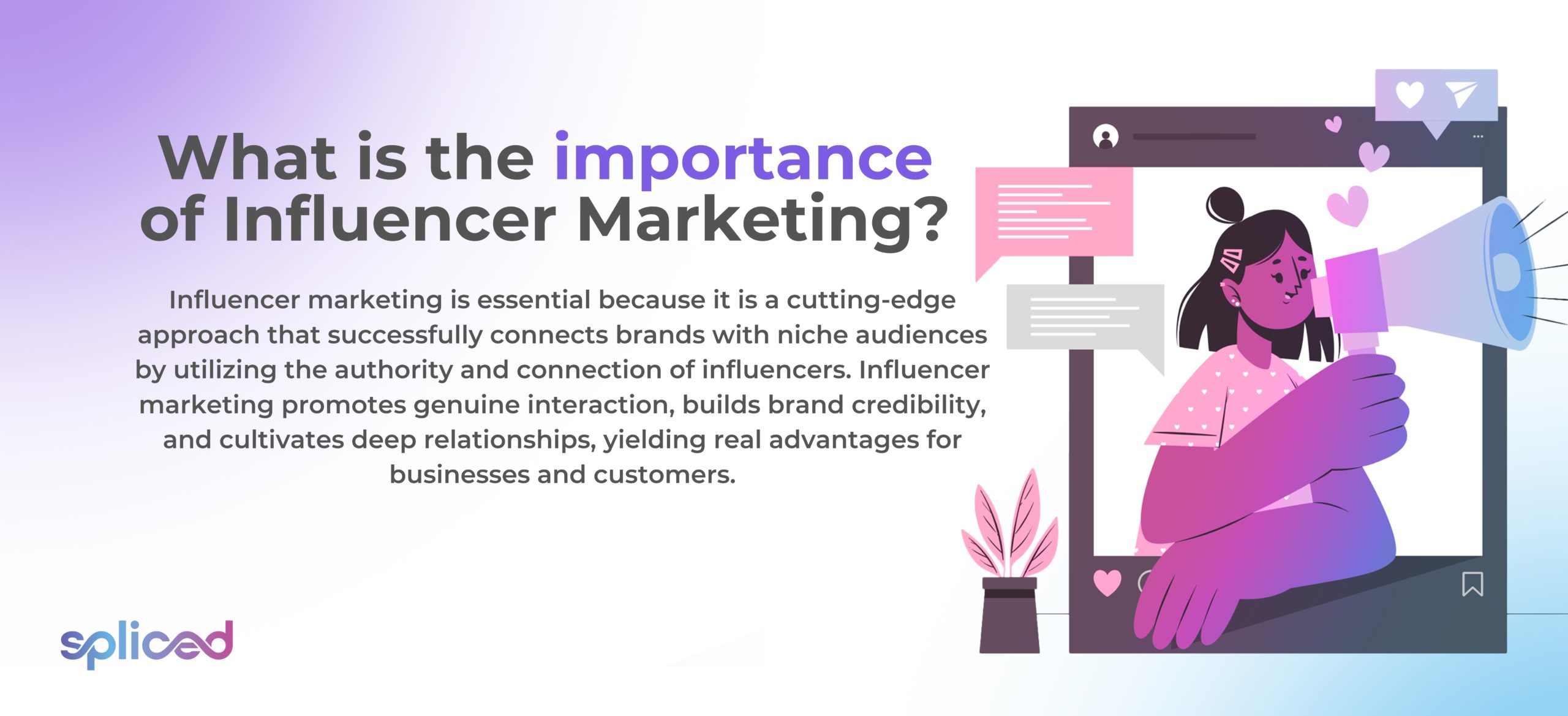
What is the importance of Influencer Marketing?
Influencer marketing has become essential for growth because it connects authentic creator voices with measurable business outcomes. Unlike traditional advertising, influencer campaigns build trust through genuine product integration, drive engagement at scale, and produce trackable ROI through commerce attribution. In 2026, 49% of consumers make monthly purchases influenced by creator posts, and the influencer marketing industry is projected to exceed $33 billion, positioning it as a core revenue channel for most brands.
Influencer marketing addresses consumer skepticism toward polished brand messaging by embedding product recommendations within authentic creator storytelling. Audiences trust direct creator recommendations over celebrity endorsements or traditional advertising. Micro-influencers command particularly strong engagement because they maintain genuine relationships within niche communities. Brands prioritizing sustained creator partnerships over one-off sponsored posts achieve higher conversion rates and measurably lower customer acquisition costs.
Influencer marketing extends reach beyond organic followers through strategic content repurposing and paid distribution. When brands license creator-produced content for paid social and email campaigns, engagement rates increase by 20% compared to studio-produced assets. TikTok Shop integration allows brands selling through social commerce to connect creator momentum directly to marketplace conversions. Amazon sellers leverage influencer content to build both direct platform demand and category authority within their selling windows.
Influencer marketing drives business growth by reducing production costs, accelerating content output velocity, and demonstrating clear attribution links to revenue. Brands generating 100 or more assets through creator collaborations instead of in-house production lower cost per view while preserving authentic, relatable aesthetics. In 2026, 65% of marketers report strong confidence in measuring influencer campaign ROI, marking significant progress from vanity-metric dependence toward measurable performance accountability and commerce outcomes.
How effective is Influencer Marketing?
Influencer marketing produces measurable business outcomes across engagement, awareness, and sales velocity. The channel leverages authentic creator voices and established audience trust to generate conversions and sustained brand lift that outperform traditional paid advertising across most demographic segments.
Engagement rates from influencer content exceed traditional digital advertising by two to three times. Creator posts generate an average engagement rate of 5.7%, compared to 2 to 3% from standard display ads according to Influencer Marketing Hub research. Performance gaps widen when creators produce user-generated content and repurpose their videos into paid social ads, achieving 20% higher click-through rates in email and owned channels compared to platform-native content.
Sales and conversion outcomes justify influencer investment at scale. Approximately 80% of marketers report that influencer marketing successfully increases sales revenue. Almost half of all consumers, 49%, make purchases at least once monthly influenced by creator posts. When influencers maintain direct connection with audiences and include clear calls-to-action, conversion rates significantly exceed one-off sponsored posts from accounts without prior audience relationships.
Influencer marketing expands brand reach into niche audiences showing genuine purchase intent. Influencers serve specific communities and verticals, enabling brands to connect with customers actively seeking their product category. This targeted approach reduces wasted spend compared to broad-reach campaigns and improves overall customer acquisition efficiency across channels.
Brand awareness gains compound through influencer endorsements and shared content cycles. Influencers with established authority in their niches introduce products to followers already interested in the category. When creators produce shareable content aligned with brand messaging, social platforms amplify reach through shares, mentions, and algorithmic distribution loops that extend beyond initial posting.
Performance measurement in 2026 shows 65% of marketers are very confident in their ability to measure influencer marketing ROI with precision. Data tracking through affiliate links, discount codes, and commerce attribution tools connects creator activity directly to sales lift, customer acquisition cost, and customer lifetime value. This shifts influencer partnerships from awareness-only metrics toward demand generation channels with clear revenue accountability.
How to Incorporate Spliced in Influencer Marketing Campaigns
Spliced helps brands execute performance-based influencer campaigns with commerce tracking and measurable ROI across Amazon, TikTok Shop, and direct sales channels. The platform connects creator partnerships directly to sales outcomes, showing which influencers drive incremental revenue rather than vanity metrics.
Brands use Spliced’s creator discovery tools to identify performers by engagement quality, audience demographics, niche alignment, and historical conversion data rather than follower counts. The platform prioritizes micro and nano-influencers (10K to 100K followers) with authentic, high-intent audiences, which outperform macro-influencers on cost per acquisition and conversion rates.
Spliced automates outreach and partnership documentation. Brands define collaboration scope, content deliverables, posting timelines, and commission structures directly in the platform. Spliced manages contracts, payment scheduling, and two-way communication, eliminating delays and ensuring both parties agree on specific KPIs and content requirements before work begins.
Real-time dashboards within Spliced track engagement, reach, clicks, and attributed conversions for each creator’s content. Brands monitor performance throughout campaigns and identify which influencers deliver measurable results. Visibility into ongoing metrics enables mid-campaign adjustments and informed decisions about renewing top performers or pausing underperforming partnerships.
Post-campaign reporting quantifies sales lift, customer acquisition cost, and ROAS from each influencer partnership. Brands identify which creators drove the highest commerce impact and replicate winning patterns in future campaigns. This attribution data transforms influencer marketing from a creative budget into a measurable revenue channel with clear ROI connection to bottom-line results.
Spliced consolidates influencer discovery, partnership management, performance tracking, and commerce attribution into a single workflow. Teams gain clarity on which creator activity produces measurable sales, scale ambassador programs with performance benchmarks, and repurpose top-performing creator content into paid ads and email campaigns. Brands using Spliced build sustainable, data-driven creator programs that compound ROI quarter over quarter.
How to Select the Right Influencer Marketing Campaign Type for Your Brand
Selecting the right influencer campaign type requires alignment between business objectives, target audience behavior, available budget, and measurable success criteria. The strategy must reflect brand positioning while matching where and how your audience discovers and purchases products.
Business objectives determine campaign structure. For broad awareness goals, sponsored social posts and brand ambassador programs build consistent visibility. For direct sales, affiliate campaigns and giveaway contests with trackable discount codes measure conversion directly. For trust building and sustained engagement, multi-month ambassador partnerships and content collaborations create narrative continuity that deepens audience loyalty.
Audience platform behavior drives format and channel selection. Identify where your target audience consumes content and what formats they engage with most. Visual audiences on Instagram and TikTok respond to short-form video and lifestyle imagery. YouTube audiences prefer detailed tutorials, unboxings, and product reviews. Email and Substack audiences value direct-to-subscriber communication independent of algorithms. Align creator content format with platform norms to maximize natural integration and engagement.
Budget constraints shape campaign scope and creator tier. Comprehensive campaigns with in-person events, product collaborations, or sustained ambassador programs require larger budgets. Sponsored posts and user-generated content campaigns operate efficiently with micro-influencer budgets. Affiliate and performance-based models require minimal upfront investment since payment correlates to measurable results. Match campaign complexity to available resources and ensure payment timing aligns with cash flow.
Data from initial campaigns reveals which creator types and content formats convert your specific audience. Track engagement, click-through rates, conversion rates, and customer acquisition cost across campaign types. Build subsequent campaigns on performance data rather than assumptions. Ground early decisions in audience research and category benchmarks, then iterate based on attribution results. This approach produces better ROI than testing without strategic framework.
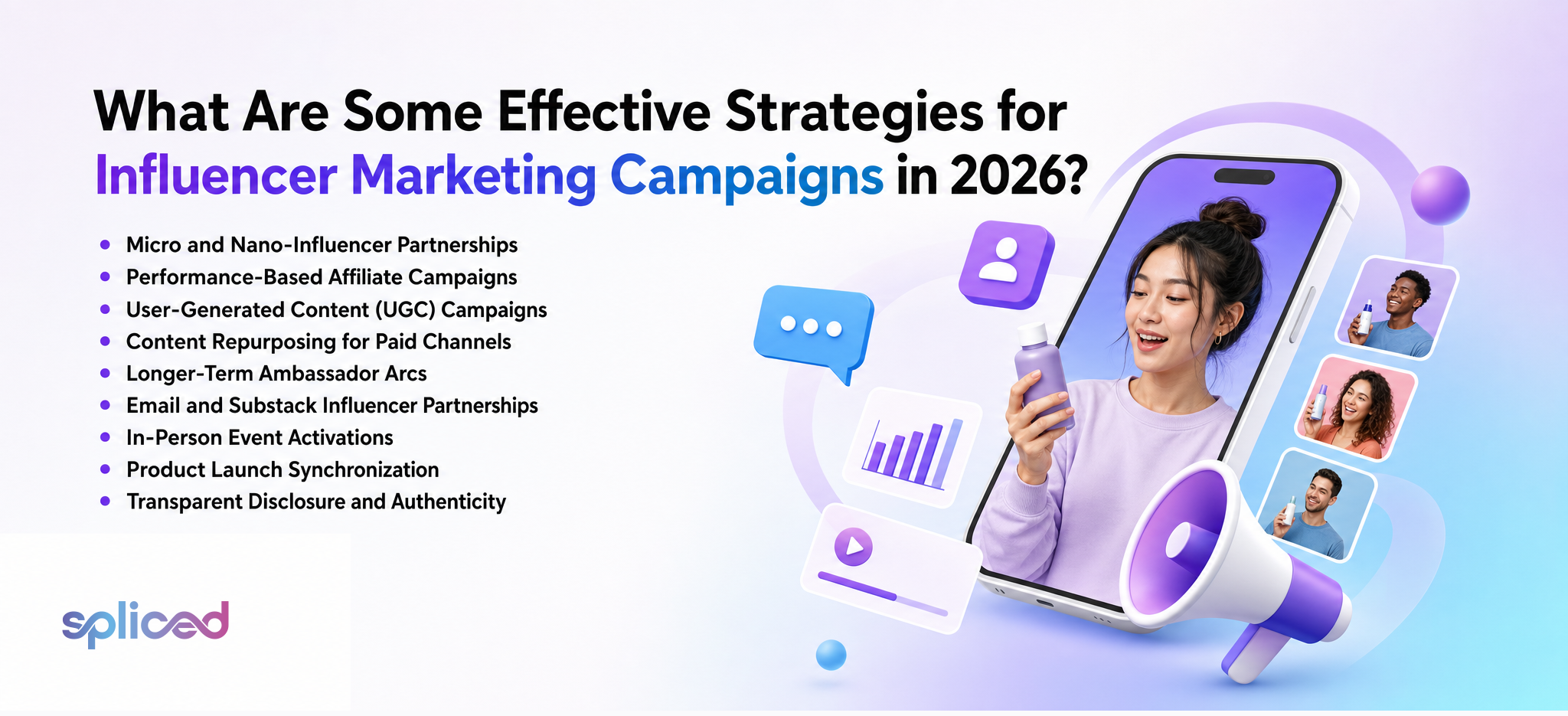
What Are Some Effective Strategies for Influencer Marketing Campaigns in 2026?
Effective influencer marketing strategies in 2026 emphasize measurable ROI, authentic creator partnerships, and multi-channel content repurposing. The following strategies have demonstrated consistent business impact across verticals and audience segments.
- Micro and Nano-Influencer Partnerships: Work with micro-influencers (10K-100K followers) and nano-influencers (under 10K followers) who demonstrate higher engagement rates and authentic audience relationships. These creators deliver 3 to 5 times higher conversion rates compared to macro-influencers while costing 60% less per collaboration.
- Performance-Based Affiliate Campaigns: Structure influencer payments around measurable outcomes using trackable URLs, unique discount codes, and commission-based models. Affiliate-driven campaigns align creator incentives with business results, producing stronger ROI and transparent attribution across all platforms including Amazon and TikTok Shop.
- User-Generated Content (UGC) Campaigns: Commission 50 to 200 micro-influencers to create authentic, unpolished product content. UGC campaigns grew from 15% to 35% of all influencer campaigns by 2026. Brands generate 100 to 150 reusable assets for paid ads, email, and owned channels at 40% lower cost than studio production.
- Content Repurposing for Paid Channels: Leverage influencer-created content across paid social, email, and owned channels. 71% of marketers repurpose influencer videos into paid ads by clipping 15 to 30 second segments, extending ROI per collaboration and reducing cost per view by up to 20%.
- Longer-Term Ambassador Arcs: Replace one-off sponsored posts with sustained partnerships spanning 3 to 12 months. Monthly content production from ambassadors creates consistent brand presence, deeper audience trust, and measurable sales lift. A wellness beverage brand’s top 50 micro-influencer ambassadors produced steady 15% quarter-over-quarter sales increases during their partnership period.
- Email and Substack Influencer Partnerships: Collaborate with creators who have direct-to-subscriber audiences on email and Substack platforms. Direct subscriber communication avoids algorithmic crowding and reaches engaged audiences actively seeking product recommendations without platform dependency risk.
- In-Person Event Activations: Host physical brand experiences and invite creators to participate as brand ambassadors. Consumers increasingly seek offline experiences away from algorithmic feeds. In-person activations with creator participation generate social media sharing, word-of-mouth amplification, and documented foot traffic growth.
- Product Launch Synchronization: Coordinate simultaneous posts from 10 to 20 micro-influencers at product launch to create synchronized social proof and urgency. A beauty brand launching a new serum coordinated 15 micro-influencers (10K to 50K followers) in the skincare niche, amplifying launch momentum across trusted voices within their specific audiences.
- Transparent Disclosure and Authenticity: Ensure clear FTC-compliant disclosures and authentic product integration throughout all creator content. Audiences trust creators demonstrating genuine product enthusiasm; forced or artificial integration damages credibility and reduces campaign effectiveness and conversions.
- Data-Driven Creator Selection: Choose creators based on engagement metrics, audience demographics, niche alignment, and documented past campaign performance rather than follower count alone. Performance data and conversion tracking predict better ROI outcomes than vanity metrics.
- Storytelling and Narrative Campaigns: Build campaigns around authentic creator stories demonstrating real product use cases and measurable outcomes. Emotional resonance and practical demonstrations drive higher engagement and audience loyalty compared to transactional, one-time sponsorships.
How important is selecting the right social media platform for influencer marketing in 2026?
Platform selection directly impacts influencer campaign effectiveness and measurable ROI in 2026. The chosen platform must align with target audience behavior, content format preferences, and commerce integration capabilities. Brands matching creators and campaigns to platform strengths achieve 2 to 3 times higher engagement rates and conversion performance.
Platform audiences and content preferences differ significantly. TikTok and Instagram prioritize short-form video content for Gen Z and millennial audiences. YouTube dominates longer-form tutorials, product reviews, and unboxing content. Facebook reaches broader demographics including audiences over 35 years old. LinkedIn serves B2B creator partnerships. Selecting platforms where target audiences spend time ensures content reaches engaged viewers ready for conversions.
Content format performance varies by platform. Instagram and Pinterest excel at visual storytelling and lifestyle imagery. TikTok prioritizes authentic, unpolished short videos and trending sounds. YouTube supports in-depth tutorials, detailed reviews, and demonstrations. Email and Substack enable direct subscriber communication without algorithmic interference. Brands achieve higher engagement when content format matches platform native styles and audience expectations.
Platform commerce integration matters in 2026. TikTok Shop enables direct product sales through creator affiliate links. Amazon marketplace integrates with influencer tracking codes and performance-based compensation. Instagram Shopping connects product catalogs to influencer posts with trackable CTR and conversion data. Brands selling on TikTok Shop or Amazon benefit from platform-specific influencer strategies that drive measurable sales lift.
Platform strategy has shifted significantly in 2026. TikTok platform-specific campaigns declined nearly 50% from 2025 as brands shifted toward UGC volume strategies and multi-channel content repurposing rather than single-platform dependency. Instagram remains dominant for lifestyle and aesthetic brands with measurable affiliate performance. YouTube continues strength for product demonstrations and detailed evaluations. Email partnerships grew as a channel for direct creator relationships, offering higher engagement rates and independent audience access. Strategic platform selection ensures content performs optimally and reaches audiences actively seeking recommendations and solutions.
Is Facebook Effective for Influencer Marketing in 2026?
Facebook remains a functional platform for influencer marketing campaigns, particularly for brands targeting audiences aged 35 and older. Facebook holds approximately 3.1 billion monthly active users, making it accessible for B2B partnerships and lifestyle niches where older demographics concentrate. Influencer campaigns on Facebook succeed through precise audience segmentation and community-focused content that aligns with how older users consume social media.
Facebook’s advanced targeting capabilities enable brands to reach specific demographics, interests, and behaviors with precision. Influencers leverage Groups, Pages, and Stories to build engagement with followers through discussion and shared interests. Direct messaging and comment interactions strengthen community bonds, though engagement rates lag behind TikTok and Instagram among younger cohorts.
Content formats on Facebook include images, videos, and live streams. However, 2026 data shows Facebook engagement rates have declined relative to TikTok and Instagram for audiences under 40. Brands using Facebook for influencer marketing typically pair it with other platforms to reach broader demographics. Facebook performs best for educational content, longer-form storytelling, and community building rather than moment-driven campaigns.
Influencers incorporating affiliate links and discount codes into Facebook posts drive measurable conversions among older demographics. Performance-based partnerships on Facebook align with the 2026 shift toward trackable ROI, though conversion rates typically trail Instagram and TikTok for younger audiences.
Is Instagram the Most Effective Platform for Influencer Marketing in 2026?
Instagram remains highly effective for influencer marketing campaigns across fashion, beauty, fitness, and lifestyle categories. Instagram operates with over 2.1 billion monthly active users and prioritizes visual storytelling through Feed posts, Reels, and Stories. These formats align directly with how influencers demonstrate product benefits and integrate recommendations into daily lifestyle content.
Instagram’s user base concentrates in Gen Z and millennial audiences aged 18 to 40, who actively seek and trust influencer recommendations. These audiences respond to performance-based offers including discount codes and affiliate tracking. Influencers integrate product placements naturally into established content routines, generating engagement rates that substantially exceed traditional paid advertising.
In 2026, Instagram Reels generate higher algorithmic distribution and engagement compared to static Feed posts. Micro-influencers using Reels achieve superior cost per view and conversion rates. Hashtag discovery, location tagging, and mention strategy expand content reach to relevant audiences. Affiliate marketing integration and discount code attribution enable real-time conversion tracking and performance-based creator compensation.
Instagram Shopping features and affiliate platform integration position the channel as essential for commerce-driven influencer campaigns. Repurposed influencer content running as paid Instagram ads generates 20% higher click-through rates when combined with email campaigns, according to 2026 performance data. Brands selling on TikTok Shop and Amazon see measurable halo effects when pairing Instagram influencer campaigns with marketplace fulfillment.
Is TikTok Influencer Marketing Effective in 2026?
Yes, TikTok influencer marketing delivers measurable effectiveness in 2026, though strategy has fundamentally shifted from platform-specific campaigns toward volume-based user-generated content. TikTok operates with 1.6 billion monthly active users globally, with strongest engagement from Gen Z audiences aged 13 to 25. Platform-specific TikTok campaigns declined nearly 50% in 2025, replaced by multi-asset UGC strategies and cross-platform content repurposing.
TikTok’s algorithm rewards authentic, unpolished content and engagement velocity over follower counts, enabling micro and nano-influencers to drive measurable business outcomes. Brands generate 100 to 150 UGC assets per TikTok collaboration instead of relying on single viral posts. This volume production model reduces cost per view and extends ROI through licensed repurposing into paid social, email campaigns, and owned digital channels.
In 2026, TikTok Shop integration creates direct commerce pathways within creator content. Influencers drive traffic to TikTok Shop storefronts using affiliate links, trackable discount codes, and commission structures tied to sales. Performance-based compensation aligns creator incentives with measurable conversions, supporting the industry shift from upfront sponsorships toward outcome-driven partnerships.
Successful 2026 TikTok campaigns prioritize authentic, unscripted content and trending audio integration over polished production. Hashtag challenges and sound participation drive algorithmic distribution and engagement. Brands increasingly measure TikTok value through cross-platform halo effects, tracking how TikTok-initiated discovery drives subsequent Amazon and marketplace sales lift. Spliced connects TikTok influencer activity to commerce platforms, quantifying which creators drive measurable revenue outcomes and enabling data-driven ambassador program renewal decisions.